
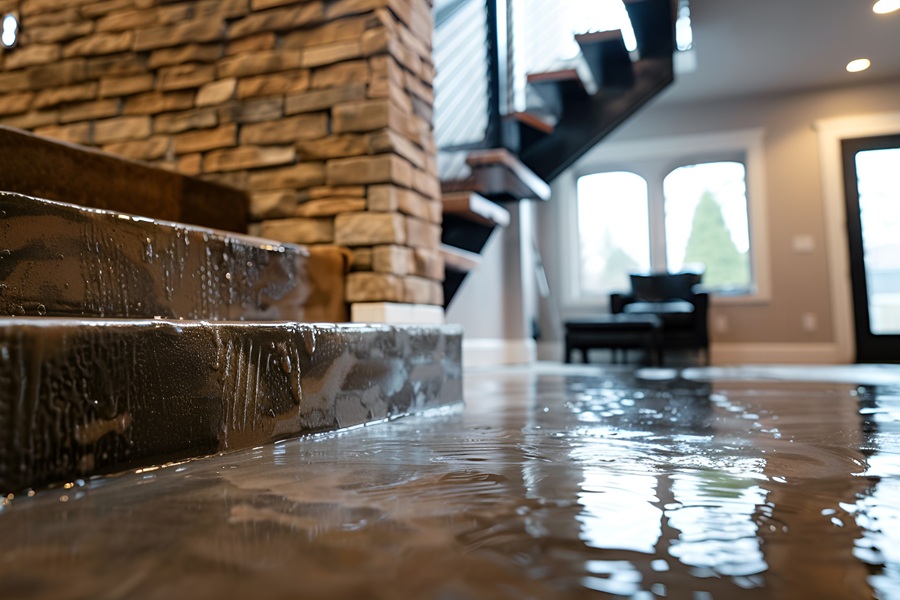
Top 9 locations where basement seepage turns into nightmares revealed
Left unattended, basement seepage can ruin flooring, weakens framing and harm indoor air quality
A DAMP SPOT on concrete might look harmless, yet it can signal a problem that soon ruins flooring, weakens framing and harms indoor air quality.
Before you grab towels, explore nine real-world trouble spots where minor basement moisture in Australian homes escalated into expensive repairs and health concerns.
Unwanted Visitor Pool
After a heavy storm, some homeowners discover ankle-deep water where a playroom should be. Standing water accelerates structural rot, creates shock hazards and spreads musty odours.
Pressure From Outside
Each time surrounding soil becomes saturated, hydrostatic pressure forces moisture through seams and mortar joints. Over months or years that pressure can turn hairline pathways into steady leaks.
Hidden Health Hazards
Stagnant puddles support mold, dust-mites and insects. Spores and odours rarely stay confined to the basement, compromising air quality upstairs as well.
Professional Rescue Plan
Quick vacuuming removes only visible water. Certified technicians install interior drainage, vapour barriers and sump systems designed for local soil conditions.

Silent but Deadly
Moisture often hides behind drywall, quietly degrading insulation and framing. The first hints are subtle:
- Faint musty odours: Microbial growth can begin long before staining appears.
- Unexpected energy spikes: HVAC equipment runs harder to remove unseen humidity.
- Bubbling paint or efflorescence: Minerals riding on water vapour crystallise on masonry surfaces.
- Warped trim: Swelling wood fibres are frequently misread as seasonal movement.
- Respiratory irritation: Coughing or itchy eyes downstairs may point to mold behind finished walls.
When these indicators emerge, schedule an inspection. The team at Water Damage Specialist explains why early diagnosis prevents structural damage and medical bills.
Mushrooms Take Over
If you ever switch on basement lights and notice tiny mushrooms along carpet seams, constant moisture has met a ready food source of cellulose.
Fungal Invasion Explained
Carpet backing, cardboard and untreated studs provide ideal nutrients, while seepage supplies continual moisture.
Why Drains Fail
French drains that are undersized, poorly sloped or clogged let water linger below the slab. Without routine maintenance the drainage system becomes a breeding ground for fungi.
Remediation Reality Check
Bleach may bleach the surface, yet spores return unless humidity stays under 60 percent and leaks are eliminated.
Pipes Gone Bad
Not all basement water originates outdoors. Internal plumbing can break down unnoticed until odours or staining appear.
- Rust-prone cast-iron: Older lateral lines corrode from the inside out.
- Loose PVC couplings: Repairs completed without proper primer often separate months later.
- Clogged floor drains: Soap and lint reduce capacity, causing laundry water to back up.
- Lagoon overflow: Rural properties that use onsite lagoons risk surface breakout without scheduled pumping.
- Sulphur smells: Hydrogen sulphide indicates stagnant wastewater and anaerobic bacteria.
Cracked Foundation Corners
Small diagonal cracks at footing corners concentrate stress. Seasonal freeze-thaw cycles widen gaps, creating a direct pathway for groundwater.
Monitoring Techniques
Install inexpensive epoxy gauges or simply mark each end of a crack with pencil. Any widening over time warrants a structural engineer’s evaluation.
Repair Strategies
Carbon-fibre straps combined with interior drains and a sealed sump stop additional movement and divert incoming water safely.
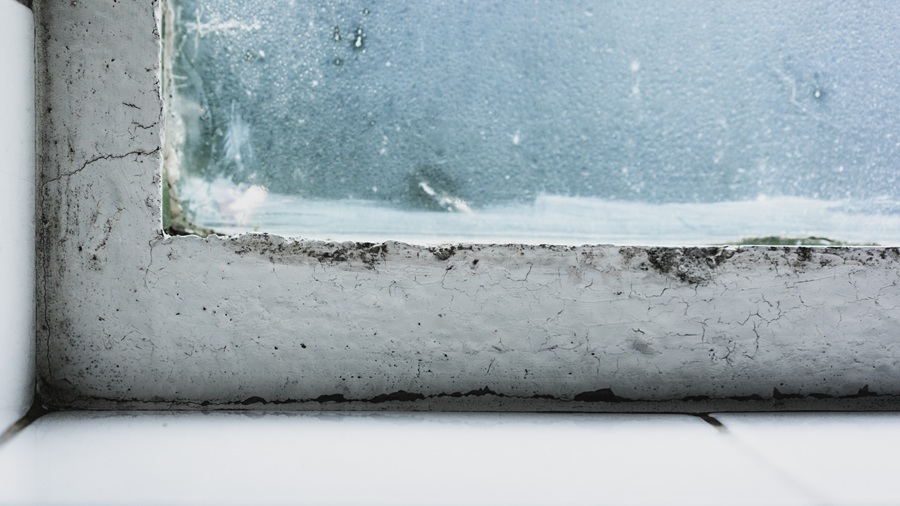
Laundry Room Lagoons
Finishing a basement laundry nook makes chores easier until wash day floods the floor.
- Incorrect standpipe height: A discharge hose below the water line can siphon water back out of the machine.
- Missing check valves: Pressure surges in the sewer main push wastewater up through sinks and drains.
- Lint blockage: Accumulated fibres narrow pipe diameter and force leaks at fittings.
- Uneven slab: Settling concentrates puddles beneath appliances, accelerating corrosion and short circuits.
- Detergent film: Slippery residue hides micro-pools that seep under baseboards.
Raising machines on composite platforms and adding an automatic shut-off valve greatly reduce risk.
Sump Pump Graveyard
The sump pump is your last defence. When it quits, rising water quickly reaches finished flooring.
Power Loss Problems
Storms that deliver torrential rain often interrupt mains power. A battery or water-powered backup keeps pumps running until electricity returns.
Clogged Float Switches
Iron bacteria and debris can immobilise the float arm. Annual pit cleaning ensures reliable activation.
Undersized Capacity
Pumps sold with spec-built homes may be rated for minimal flow. Upgrading to a higher-capacity dual-pump system offers redundancy and peace of mind.
Window Well Waterfalls
Basement windows brighten living space, but cracked liners or missing covers can let storms turn wells into aquariums.
- Poor grading: Soil pitched toward the house channels runoff directly into wells.
- Clogged gravel: Organic debris jams perforated liners and blocks drains.
- Warped covers: Lightweight plastic lids deform, leaving gaps for rainwater.
- Sealant failure: Sun-aged caulk shrinks and allows trickles that freeze and expand.
- No drain tie-in: A well drain should connect to the interior sump; otherwise it simply fills.
Durable polycarbonate covers and seasonal debris removal keep natural light flowing without the waterfall effect.

Hidden Wall Cavities
The most damaging seepage is the kind you cannot see. Moisture migrates through plumbing chases, electrical conduits and rim-joist gaps, soaking insulation before any surface clues appear.
Detective Tools
Low-cost borescopes and infrared imaging during heavy rain reveal temperature anomalies that correspond to active leaks.
Restoration Steps
After locating wet areas, remove drywall at least 50 mm above the highest water mark, dry structural members to industry-accepted moisture levels, then reinstall mould-resistant boards with a proper vapour barrier.
Reality Check
Document every moisture incident, clear exterior drains and verify correct grading around the foundation before minor leaks become structural failures. If carpeting is already wet, the step-by-step advice in wet flooded carpet restoration outlines safe drying timelines and when to involve professionals.