

Why you should coordinate metal panel layout with drainage systems
Drainage systems and panel layout coordination is vital in the construction of commercial buildings of high quality and resilience
THE POSITIONING OF metal panels with the drainage systems is an important aspect of commercial construction that needs to be coordinated. Correct panel-gutter, down-spout, and other water management system alignment will avoid the need to incur expensive structural losses and enhance the survival of a building in the long-run. In setting up the design of a new building or retrofitting an existing one, the knowledge of the interaction between the metal panels and the drainage system will ensure the accomplishment of both the aesthetic and functional purpose. More specifically, the insulated metal panels and insulated wall panels should be planned thoroughly so as to prevent complications associated with the water infiltration and thermal performance.
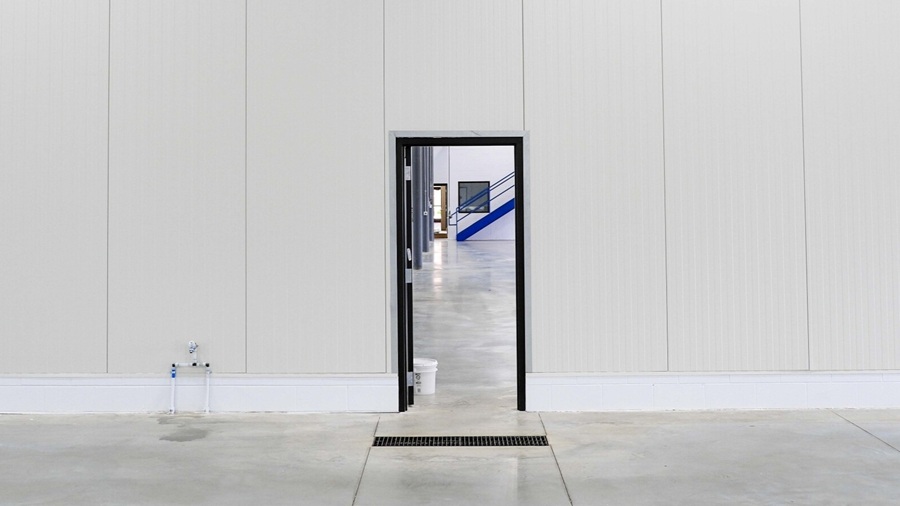
Significance of Water Management
Metal panels can be quite useful in shielding a building against the elements when fitted properly. Nevertheless, when it goes wrong with the drainage systems it may lead to water accumulation, leakage or even corrosion with time. Even insulated water intrusion would adversely affect the integrity of insulated wall panels, thus affecting the thermal performance of the wall panels and may cause mold growth inside of the wall cavities. Placing the panel design in such a way that it integrates with the gutters and downspouts will allow a designer to achieve an effective directing of rainwater on important aspects of the building.
It is not only the issue of avoiding damages but also the issue of increasing the life span of the panels. Metal panels that are left to be in standing water are more prone to rusting and corrosion especially at the junctions and seams. The panels are installed with drainage considerations therefore the water is directed away in these areas of weakness where the structural integrity of the exterior wall and roof are not compromised. This active solution will save on maintenance expenses and limit future repair expenses which are likely to be very costly.
Roof Drainage Alignment
The correspondence of roof panels with drainage elements is also one of the considerations taken to avoid water-related issues. Metal panels that are not well coupled with scuppers, gutters and internal drains may form gaps or shields that will capture water which may cause leakage and stress. Close planning will lead to the placement of panel slopes such that the water will drain effectively towards the drainage system, and thus there is very little likelihood of the water stagnating at the flat or low-slope areas of the roof.
The performance of insulated metal panels also has to do with proper alignment of roof panels. The functioning of these panels is based on the tight seals and the accuracy of their placement to allow it to be energy efficient and protectionist. These features may be jeopardized by lack of congruity with drainage leading to irregular temperatures within the building as well as possible damage to internal insulation. The use of drainage planning in the panel layout process assures the functionality and effectiveness within the process.
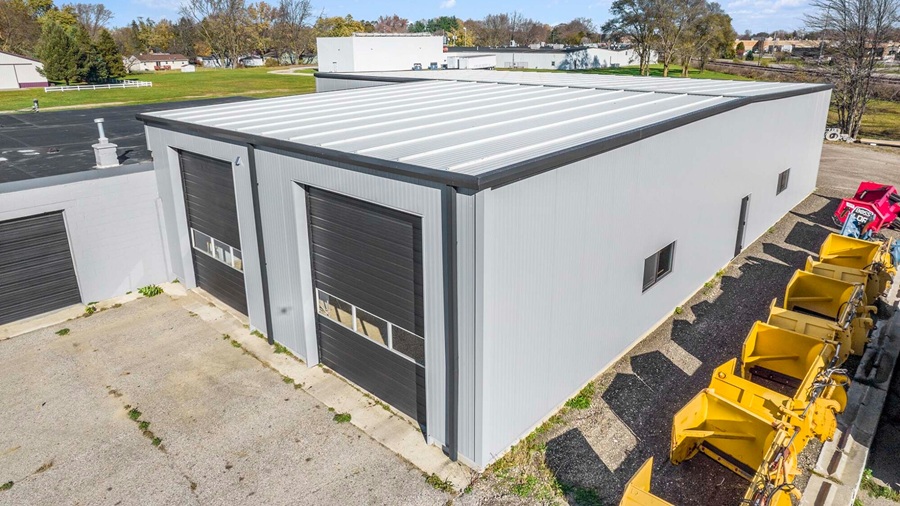
Combination With Wall Drainage
Wall drains are also crucial during the coordination of metal panels. The exterior wall panels should be constructed to ensure that the flowing rainwater is diverted to the ground floor or to the drainage systems. Moisture is a special concern of insulated wall panels since trapped water may decrease the properties of insulation and introduce the problems of structural deterioration in the long run. This is done by ensuring that the location of the panel is appropriate to minimize the chances of water intrusion and safeguard the building envelope.
Wall panel drainage is also necessary to ensure insulation protection besides ensuring the general appearance of a commercial building. Panels that do not match with each other or water streaks can ruin the look of a facility whereas perfectly aligned panels and drainage systems give a professional and clean look. This functional plus aesthetic advantage puts the importance of putting into consideration the issue of drainage during the planning of the installation of the metal panels.
The arrangement of drains and metal panels is the basic feature of the commercial construction that should not be disregarded. Builders and designers ensure that the structure and insulation are not damaged by water by lining panels with roof and wall drainage elements. IMPs and IWP are highly beneficiary of the correct water management because of the strength and thermal properties that are not affected by time. Considerable design and installation process can minimize the cost of maintenance, improve the energy use, and guarantee the building long-term viability. Drainage systems and panel layout coordination is then vital in the construction of commercial buildings of high quality and resilience.