
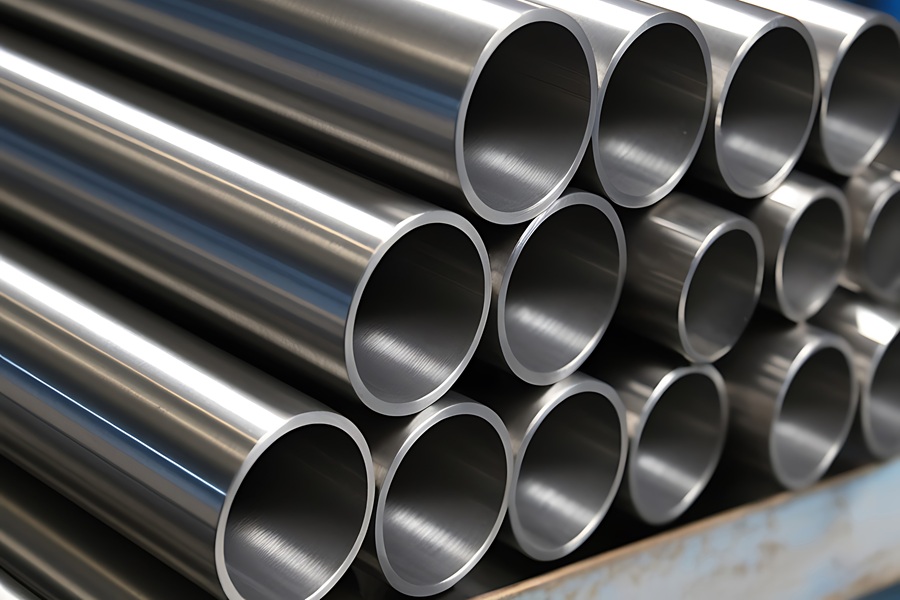
How to select the right wall thickness for steel tubing
When choosing the appropriate wall thickness of steel tubing, factors such as load demands, the environment, fabrication techniques and economic viability all play a part
THE CHOICE OF the appropriate thickness of the wall of steel tubing is a very important decision that guarantees the safety, functionality, and durability of any building or production process. The thickness of the walls directly impacts the strength, durability and the load bearing capacity of the tubing which may impact the overall success of the structure. The determination of the factors that determine the appropriate wall thickness is important to engineers, fabricators, and project managers who wish to make appropriate decisions. A poor decision may result in structural collapse, unjustified expenses or incompatibility to install, thus it is important to critically consider the decision.
The process of the selection is associated with the balancing requirements in terms of technical requirements and material efficiency. A wall that is too thin can render it weak, whereas too thick of a wall can make it more expensive and less pleasant to handle with. This article finds out what a practical consideration is in selecting the appropriate wall thickness which include the load requirements, environmental factors and processes involved in fabrication. A systematic approach will help you produce a safe yet economical design to your project besides making sure that your steel tubing works as anticipated.
Understanding Load Requirements
The initial factor to consider when choosing the thickness of the wall is the load that the tubing would be bearing. The steel tubing is normally applied in structural works where weight and stress resistance are of great importance. To state the force which is expected, with and without these forces that are both static and dynamic, the engineers should compute the necessary strength. Wall thickness is a major determinant of structural integrity because the tubing has to be able to endure bending, compression and impact forces.
The orientation of the tubing as well as the positioning is also a consideration in understanding load requirements. Different wall thicknesses may be needed in the vertical supports and horizontal beams and the cantilevered portions in order to avoid deflection or failure. The right design is a process whereby the tubing is calculated so that the forces applied will not be overly applied without wasting material. It is better to consider load requirements at the initial stage of design to optimize the use of steel tubing to achieve performance and cost-effectiveness of the structure, and to make sure that it is safe and effective.
Considering Environmental Factors
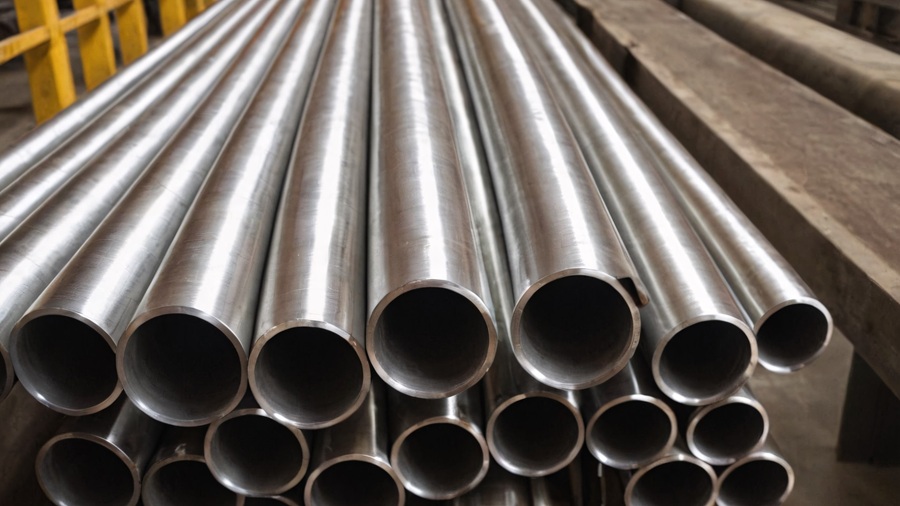
The environment also contributes greatly to the right thickness of the wall. Steel tubing is sensitive to moisture, temperature changes, chemicals or outdoor factors, and therefore, may corrode or fail the material with time. More resilient walls could be used to work in demanding conditions and increase the life of the tubing and minimize maintenance requirements.
Protective coating/finishes should also be taken into consideration when planning the projects in such an environment where corrosion is likely to occur in conjunction with the wall thickness. As an example, galvanized or stainless steel tubing may be better to operate under corrosive conditions, yet the thickness of the base wall remains a factor that enhances structural stability. This is because putting factors such as the environment into consideration will make sure the steel tubing is viable and is safe in all anticipated circumstances.
Evaluating Fabrication and Installation Needs
The cost of fabrication and installation is also a factor that affects the choice of wall thickness. The steel tubing, which will be welded, bent or machined, must have a thickness that will support the processes without affecting its structural integrity. Thinner can bend or break during welding and thicker tubing can be hard to bend or manipulate during installation.
Transportation and handling also fall under installation considerations. Thickness and heaviness of tubing can create the need of specialized equipment or extra labor which would raise the cost of the project. The knowledge of certain drawbacks of fabrication tools and installation techniques gives the engineers and contractors an opportunity to choose the thickness of the wall material which is easy to work with and its strengths and durability are good enough to execute the project successfully.
Balancing Cost and Efficiency
Another determinant factor in the choice of wall thickness is the cost. Stricter steel tubing involves more material and this raises cost. Conversely, the safety could be put at stake or it could even cause premature breakages when thinner walls are used as a cost-cutting measure, thus creating greater long-term expenses in terms of repairs or replacements. It is imperative to strike the right balance between cost and performance to have a successful project.
The efficiency can also be enhanced by choosing the correct wall thickness to be used in a particular application instead of overbuilding. The engineers are expected to evaluate the structural needs and the exposure to the environment in order to decide the lowest thickness that will be safe. This method is useful in optimizing the use of the materials and saves unwarranted spending as well as ensures high reliability in performance.
Considering Material Sourcing
Selecting the appropriate supplier of the material is a vital measure towards the quality and uniformity of steel tubing. Quality sourcing ensures that the tubing is to the required specifications and standards. Experts may find it more flexible to source a specific product such as buy aluminum sheet metal online to use in applications that involve multiple metals or require another metal to complete the project. In a hybrid design, aluminum sheets may be employed together with steel tubing, or provide alternative lightweight options or corrosive resistant coating in some. It is also possible to purchase quality materials online in a shorter period of time and compare grades and specifications.
Conclusion
When choosing the appropriate wall thickness of steel tubing one needs to take into account a variety of factors such as load demands, the environment, fabrication techniques and economic viability. All these aspects contribute towards making the tubing work as required without incurring any unnecessary cost or wastage of material. In a systematic assessment of these aspects, professionals will be able to make informed decisions that promote safety and longevity.
Regardless of whether you are producing building structures or making custom parts, it is important to have the knowledge regarding the thickness of the walls in order to get the best results. The correct planning will make steel tubing stand the test of the project without being too complicated and expensive. To sourcing materials, alternative processes such as purchasing aluminum sheet metal online can be used to supplement the use of steel tubing in a hybrid design to provide solutions that are flexible to meet numerous industrial and building construction purposes.