
Why water efficiency is becoming a business risk for Canadian property owners
Ignoring water efficiency exposes property owners to rising expenses, operational disruptions and reputational risk
WATER EFFICIENCY IS no longer just an environmental concern. For Canadian property owners, it has become a growing business risk that directly affects operating costs, asset value, insurance exposure, and long-term sustainability. As utility rates rise and infrastructure ages, inefficient plumbing systems are quietly eroding profitability across residential, commercial, and mixed-use properties.
Many property owners still associate water efficiency with optional upgrades or future planning. In reality, ignoring water usage today can lead to higher expenses, unexpected disruptions, and compliance challenges tomorrow.
Rising utility costs are shrinking margins
Across Canada, municipalities are increasing water and wastewater rates to fund infrastructure upgrades and manage growing demand. These increases compound annually, which means inefficient plumbing systems cost more every year they remain unchanged.
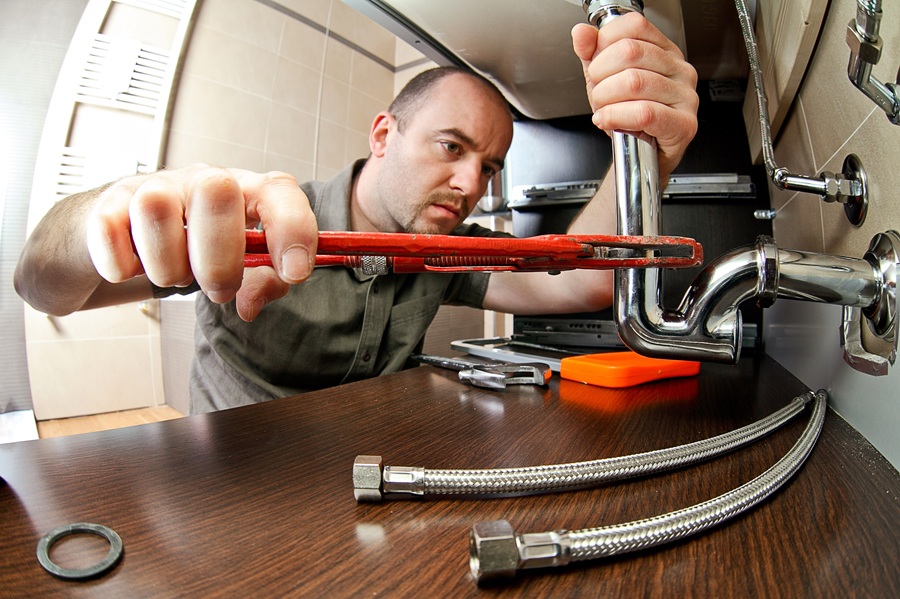
Leaks, outdated fixtures, and inefficient distribution systems often go unnoticed because water loss is not always visible. A slow leak behind a wall or beneath a slab can waste thousands of litres annually while inflating monthly bills. Over time, these hidden losses significantly impact operating budgets, especially for multi-unit properties and commercial buildings.
For business owners and property managers working with tight margins, water inefficiency has become a controllable cost that is too expensive to ignore.
Aging infrastructure increases operational risk
A large percentage of Canadian buildings were constructed decades ago using materials and designs that no longer meet modern efficiency standards. Aging pipes, corroded fittings, and outdated valves increase the likelihood of leaks, pressure issues, and system failures.
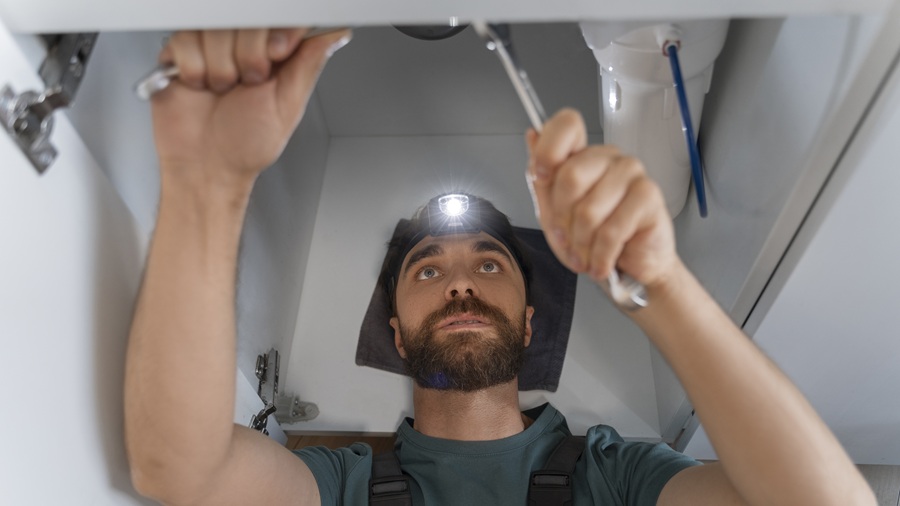
Beyond higher water usage, older plumbing systems carry a greater risk of emergency repairs. Unplanned shutdowns, tenant complaints, and damage to finished spaces can disrupt operations and lead to lost revenue. In commercial settings, even short periods of downtime can have significant financial consequences.
Proactive water efficiency planning helps reduce these risks while extending the lifespan of existing infrastructure.
Insurance and liability concerns are growing
Water damage remains one of the most common and costly insurance claims in Canada. Insurers are becoming more cautious when underwriting properties with aging or poorly maintained plumbing systems.
In some cases, inadequate water management can lead to higher premiums, coverage exclusions, or denied claims following a loss. For property owners, this creates a direct financial incentive to address inefficiencies before they result in damage.
Routine assessments and targeted upgrades reduce the likelihood of catastrophic failures while demonstrating responsible asset management to insurers.

Sustainability expectations are influencing property value
Environmental performance is increasingly tied to property valuation. Investors, tenants, and buyers are paying closer attention to utility efficiency and sustainability practices when evaluating real estate assets.
Buildings that waste water are often seen as higher-risk investments due to increased operating costs and potential future retrofit requirements. In contrast, properties that demonstrate responsible water use are better positioned to attract tenants, retain value, and meet evolving market expectations.
Water efficiency is no longer a niche selling point. It is becoming a baseline requirement for competitive properties.
Regulatory pressure is increasing
Municipal and provincial governments continue to introduce policies aimed at reducing water consumption and improving environmental outcomes. While regulations vary by region, the overall direction is clear.
Property owners who wait until compliance becomes mandatory often face higher costs and rushed implementation. Addressing inefficiencies early allows for better planning, phased upgrades, and reduced disruption.
Understanding how plumbing systems contribute to water usage is a critical first step toward meeting both current and future requirements.

Professional assessments are key to identifying hidden issues
Many water efficiency problems cannot be identified through visual inspections alone. Pressure imbalances, inefficient distribution, and concealed leaks require professional evaluation.
To identify inefficiencies before they lead to escalating costs or damage, property owners are often advised to contact a local plumber with experience in water-efficient systems. A professional assessment can uncover issues that directly affect consumption, performance, and long-term reliability.
These evaluations are not about selling upgrades. They are about understanding how existing systems perform and where targeted improvements can deliver the greatest return.
Water efficiency is a financial strategy, not just an environmental one
For Canadian property owners, water efficiency has moved beyond sustainability messaging. It is now a practical business strategy that supports cost control, risk reduction, and asset preservation.
Ignoring inefficient plumbing systems exposes owners to rising expenses, operational disruptions, and reputational risk. Addressing them creates opportunities for savings, stability, and long-term resilience.
As water becomes an increasingly valuable resource, businesses that manage it responsibly will be better positioned to adapt to future challenges while protecting their investments.