Weekly Regional Business Intelligence
|
|
|
Written by Kieran Delamont, Associate Editor, London Inc.
|
|
|
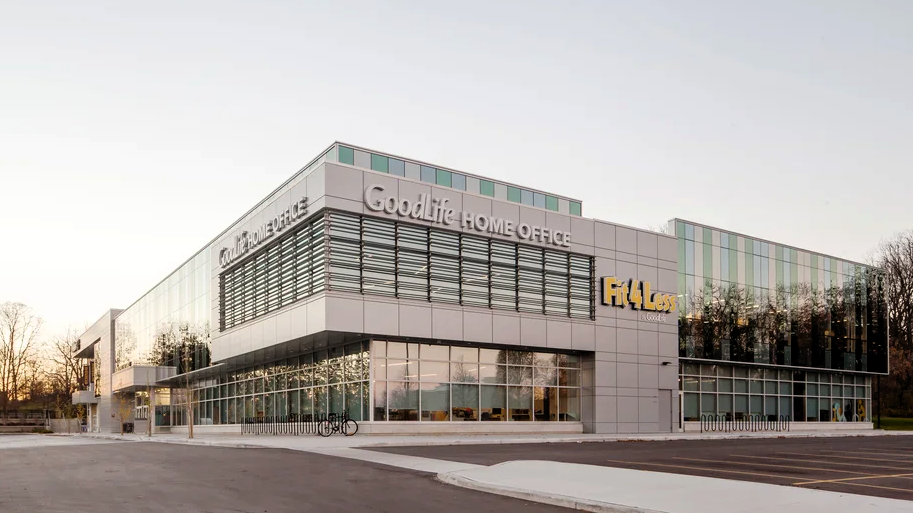
GoodLife sells minority stake to U.S.-based asset management firm Apollo Group
London-based fitness chain the GoodLife Group has taken on its first outside equity stake, selling a minority stake to U.S.-based private equity firm Apollo Group. “Given its deep experience with founder-led companies, we believe this investment from the Apollo Funds will enable us to build on nearly 50 years of success and accelerate our next chapter of growth,” said GoodLife founder David Patchell-Evans. The terms of the deal were not publicized, but sources told Reuters that the deal valued the company at around $2 billion CAD. Patchell-Evans will remain the chairman of the company. “This investment will bolster GoodLife as the leading fitness company in the country, and we could not ask for a better partner in Apollo,” said company president Jeff van Haeren. The transaction is subject to customary regulatory approvals and closing conditions.
The upshot: Private equity has taken a more considerable interest in large fitness chains over the past couple of years in North America and Europe, which have produced strong results in the post-Covid fitness and wellness boom. GoodLife has been a fairly strong performer of late — last year, S&P Global analysts upgraded GoodLIfe’s credit rating, citing strong growth in membership and revenue numbers (it has around 1.5 million paying members over 400-plus clubs), adding it expected the company to “sustain its membership gains while continuing to increase its revenue and EBITDA through fiscal year 2026.” Van Haeren said that “people in Canada are focusing on their physical and mental well-being more than ever, and the GoodLife Group recognizes the important role that we play in helping them achieve their goals.”
Read more: Reuters
|
|
|
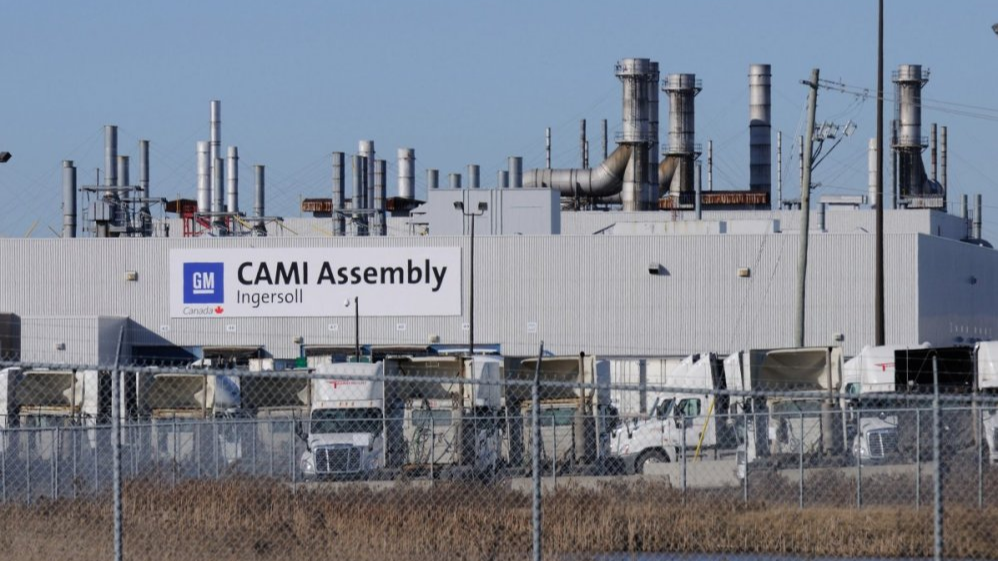
Sale rumours swirl around CAMI plant
Rumours of a potential sale of the GM CAMI automotive plant in Ingersoll to a Belgian company have reignited some hope for laid-off auto workers over the last couple of weeks. According to a report from GM Authority, General Motors is in discussions to sell the plant to Belgium-based Dumaray Group, which has expressed interest in continuing production of the BrightDrop electric delivery vans for the European market. It’s not clear how advanced the discussions are, or whether a deal is possible in the near future, but the buzz has sparked at least a little bit of optimism. “An innovative, diversified Belgian company might be really high on the list of who might be a good fit,” said the Trillium Network for Advanced Manufacturing’s Brendan Sweeney, speaking to CTV News London. “They engage with a number of different technologies, including fuel cells, which is a really interesting play for Canada that, you know, might gain more steam.” The reporting from GM Authority suggests that the founder of the Dumarey Group, Guido Dumarey, may tour the plant soon to kick the tires a bit further.
The upshot: Add it to the pile of potential paths forward for the plant. The last lifeline floated for the CAMI plant — that the Canadian government might get involved with GM to produce military vehicles — hasn’t moved one way or another yet, possibly because GM and the Canadian government are not exactly best buddies at the moment. The announcement of more layoffs at GM’s Oshawa Assembly plant pushed the federal government to initiate a process that could see it recover some of the many public dollars it has received over the years, with Industry Minister Melanie Joly saying they “have no time for those who don’t believe in us.” It is starting to become clear that whatever pathways exists to preserve Canadian auto jobs, they don’t seem to run through American automakers, but through an increasingly diverse array of global ones. “Last year, Toyota produced 537,000 vehicles [in Canada]. Honda produced 401,000 vehicles,” said Sweenet. “The three US-based automakers combined, produced 321,000 vehicles.”
Read more: GM Authority | CTV News London
|
|
|
Home inventory hits 10-year high
According to the London and St. Thomas Association of Realtors (LSTAR), which released data for home sales in the month of January this week, a total of 341 homes exchanged hands in the region (the LSTAR catchment area also takes in Strathroy, St. Thomas and portions of Middlesex and Elgin counties), a 10.3 per cent dropped when compared to sales in January of 2025. On the supply side, a total of 1,060 new properties entered the market in January, a 6.6 per cent decline from the same period a year ago. Active listings (a total of all listing) for the month sat at 2,257, a 12 per cent hike from January 2025. “Inventory continues to remain at a historically high level, with 6.6 months of inventory in January, up from the 5.3 months recorded in January of 2025,” said Robin Tiller, LSTAR 2026 board chair. “This represents the most active listings we have seen in the last ten years.”
The upshot: The 341 units moved marks a three-year low for the city’s residential resale market, as consumer edginess, job declines and extremely soft demand continue to keep any expectations of volume or value increases at bay. On the value front, the average selling price for a home in the region is holding steady at $624,550 in January, down just 0.6 per cent from a year earlier. According to Tiller, the average time a house sits on the market has steadily increased over the last year and now sits at 47 days — something made more acute by this winter’s steady supply of snow and low temps. “Buyers want to see what they’re purchasing,” she told CBC News London, “but with the snow on the ground, they haven’t had that chance.”
Read more: LSTAR | CBC News London
|
|
|
New private addiction treatment centre opens in core
A new drug-and-alcohol treatment centre for men has opened at 534 Queens Avenue. The Forest City Healing Centre was co-founded by Drew Weir, who says the centre will offer a 28-day residential inpatient recovery program “dedicated to supporting individuals and families on their journey through addiction recovery and mental health wellness across London.” Weir tells CTV News London the space has 20 beds and wants to be able to offer some pro-bono services. “Our goal and our mission is to get to a point where 75 per cent occupancy is for men from EAP groups, insurance and private pay, and 25 per cent of the occupancy and guests are covered by the costs and profits from the other.”
The upshot | It’s great to see additional private initiative in the social services sector, which has borne the brunt of so much of the homelessness, cost of living and addiction crises over the past decade or so. For all the talk from politicians of pushing recovery options, these spaces can be hard to come by, with expansion coming in drips and drabs — a dozen beds added here, a 10 added there, and so on. “I would like to see London come together and use a space like this in a positive direction so that we can have a brighter future for all of us and help the men that are in it to find a way back to a good path,” Weir said.
Read more: CTV News London
|
|
|
Available industrial space almost doubles
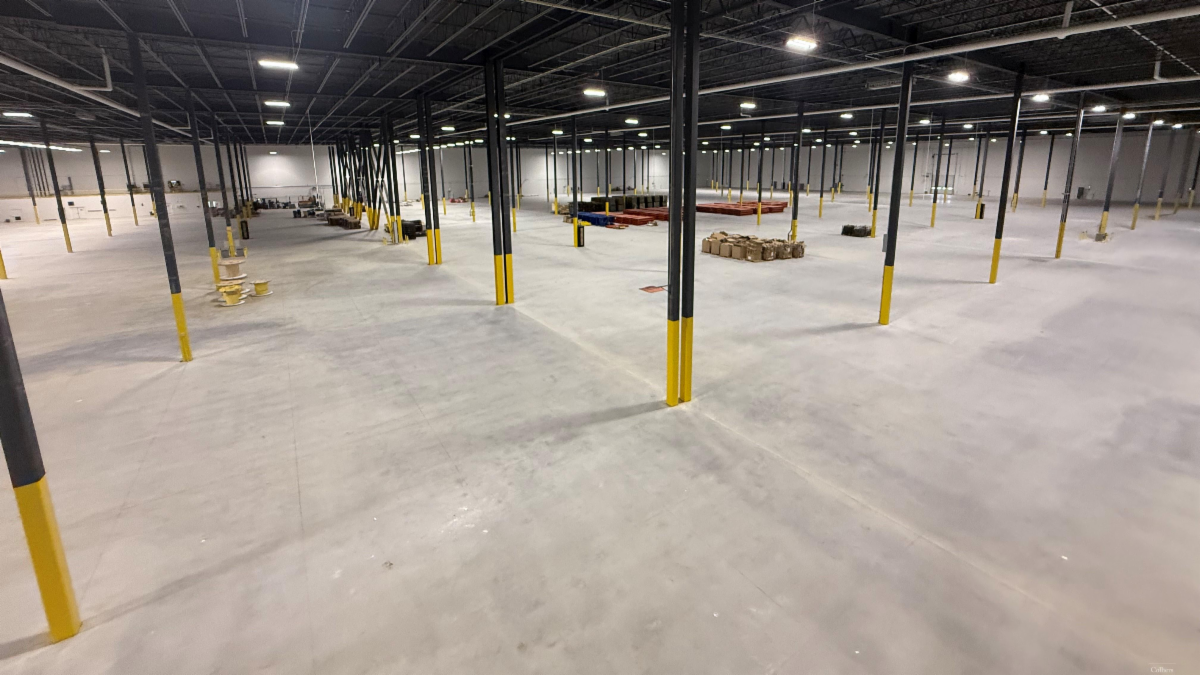
London’s available stock of industrial space hit a seven-year high in the last quarter of 2025, evidence of a “rebalancing” of the industrial real estate market after several years of a particularly tight market. The industrial vacancy rate now sits at 5.3 per cent — a far cry from the 2.8 per cent vacancy rate from a year ago. “The major driver in the availability rate spikes were three key properties in the East region coming back to market, accounting for one million square feet of space becoming available,” said the commercial realty firm CBRE in their latest report, noting that “the former Accuride building is now fully vacant and brought over 547,000 square feet of newly available space to market.” CBRE London’s associate VP Larin Shouldice said the increased vacancy rate represents a more balanced market and thinks it will lead to a bit more activity this year. “We are hopeful that some of those decisions that were put on hold last year may happen this year,” he told CTV News London. “We’re optimistic.”
The upshot: Shouldice pointed to the repurposing going on at the old Accuride building — which has been chopped into multiple units, with one of those spaces to be occupied this summer — as a good example of altering existing vacancies to better suit today’s market. The city seems to have done a pretty good job of attracting small- to mid-sized manufacturing operations to its industrial sector lately: on top of the new tenant set to occupy some of the former Accuride building, there was the Empack Spraytech announcement in the mayor’s State of the City speech, the imminent opening of a Skyreach plant, and others like Huffman Innovation expanding footprints. “We like the location, access to transportation corridors, quality of life for workers, a deep, talented workforce and strong post-secondary institutions,” a spokesperson for Skyreach recently told The London Free Press. “Those are important factors when we are thinking about long-term growth.”
Read more: CTV News London
|
|
|
City okays $7M pipeline deal to widen Sunningdale Road
A city committee has signed off on a $7-million cost-sharing agreement with Imperial Oil to relocate an inactive oil pipeline, paving the way for Sunningdale Road to be expanded. The deal will see the city and Imperial Oil split the cost, 50/50, of decommissioning and eventually relocating around 2.3km of pipeline that runs along the north side of Sunningdale. The pipeline, which is inactive but is maintained for potential use, effectively stood in the way of a years-long plan to widen Sunningdale between Wonderland and Adelaide, expanding it to four lanes and adding sidewalks, bike lanes, lighting and a new bridge.
The upshot: The need to widen Sunningdale has been obvious for many years (dating back at least to this newsletter writer’s high school days), and the relocation of this pipeline was going to have to be done eventually. That day seems to have arrived. Nobody was all that happy about paying for it, mind you. “Imperial Oil hold a lot of the power in these discussions, and that power extends to things like permitting,” said Councillor Corrine Rahman, chair of the Infrastructure and Corporate Services Committee. “I think we’ve done our best, and we’ve done what we can, but we’re very limited in our ability to negotiate with them.” Rahman was also worried about the possibility the city is going to be paying for a revenue-generating asset that Imperial Oil could reactivate in the future. “All we can do is look for community benefit,” she told The London Free Press. “If they’re going to activate this line at some point, I’d like to see them more involved in the community to support other infrastructure projects around the area.”
Read more: London Free Press | CTV News London
|
|
|
Dispatch: February 6, 2026
A summary of recent business appointments and announcements, plus event listings for the upcoming week.
View listings here
|
|
|
|
|