
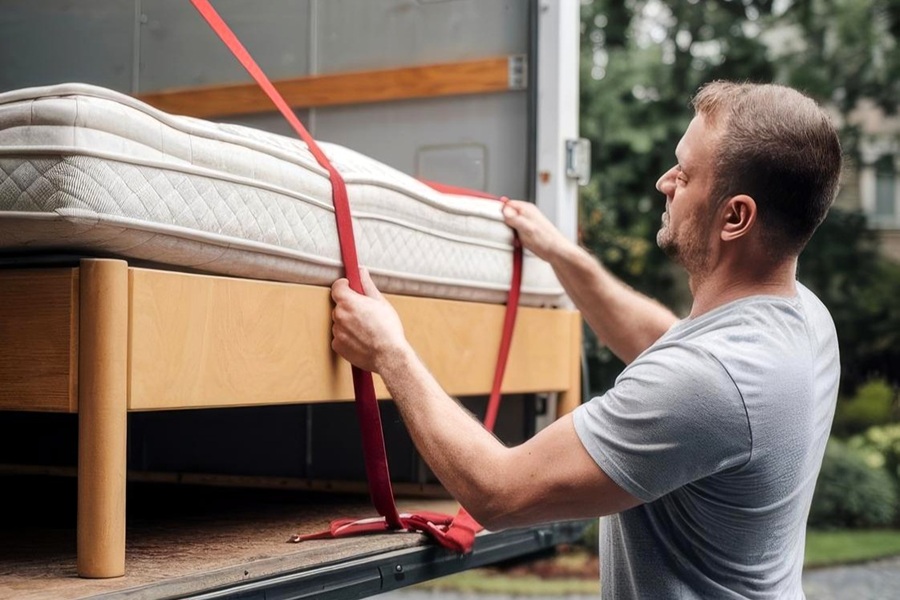
How to use the ‘basket weave’ method with logistic straps to stabilize tall, top-heavy cargo
The basket weave method with logistic straps is a smart way to stabilize tall, top-heavy cargo
TALL, TOP-HEAVY CARGO can shift fast and fall hard. That can damage goods and cause accidents. Using the Basket Weave method with logistic straps adds strong support from all sides. It keeps your load steady, even during sharp turns or sudden stops.
This method works by crossing straps over and around the cargo. The pattern spreads pressure evenly and reduces movement. It’s simple, smart, and highly effective. When done correctly, it turns unstable cargo into a secure, balanced load ready for safe transport.
Understanding the Basket Weave Method
The Basket Weave method with logistic straps is one of the easiest ways to stabilize tall, top-heavy cargo. If you’ve ever seen a stack of boxes wobble or a pallet shift during transport, you know how risky it can be. This method is all about creating a strong, crisscross pattern that keeps your load steady and safe.
What the Basket Weave Method Is
At its core, the Basket Weave method is a way of arranging straps so they cross over the cargo like the weave of a basket. Instead of just tying straps straight over the top, this pattern spreads the tension evenly across the load. This helps prevent tilting, sliding, or even tipping while moving. It’s especially useful for tall stacks or items with uneven weight that can easily lean to one side.
Why It Works
The secret behind the Basket Weave method is the way it balances pressure. By crossing straps both horizontally and vertically, the load is held firmly from multiple angles. Each strap supports the others, which reduces movement and makes the cargo more stable. This method also protects the cargo from damage because the pressure is spread out instead of focused on one spot.
When to Use It
This technique is perfect for transporting goods that are heavy on top or have irregular shapes. It works well for stacked boxes, large appliances, machinery, and even construction materials. Anytime a load feels “top-heavy” or likely to shift, the Basket Weave method gives extra confidence that it will stay put.
Using the Basket Weave method with logistic straps doesn’t require fancy equipment. Once you understand the pattern and know how to tighten the straps safely, it becomes a fast and reliable way to secure almost any tall cargo. It’s a simple strategy that makes a big difference in keeping both your goods and your vehicle safe during transport.
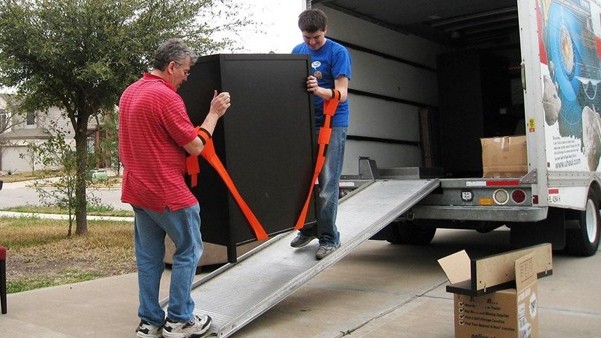
Tools You Need Before You Start
Before you try the Basket Weave method with logistic straps, it’s important to have the right tools. Using proper equipment not only makes the job easier, but it also keeps your cargo safe and prevents accidents.
Logistic Straps
The most important tool is, of course, the logistic straps. These are strong, adjustable straps that hold cargo firmly in place. Look for straps rated for the weight of your load, and always inspect them for any fraying, cuts, or damage before use. A worn strap can snap under pressure, which is dangerous for both your cargo and your vehicle.
Anchor Points
Anchor points are the spots where you attach your straps. These can be hooks, rails, or loops built into your trailer or truck. Make sure the anchor points are strong and secure. Weak points can cause the entire load to shift, even if your straps are tight.
Edge Protectors
Edge protectors are small pieces of plastic or metal that go between your straps and the cargo edges. They prevent the straps from cutting into boxes or other items while keeping the pressure evenly spread. Using them is a simple step that can save your cargo from damage.
Gloves and Safety Gear
Handling straps can put strain on your hands, so wearing gloves is smart. Safety gear like steel-toed boots and eye protection is also a good idea, especially when working with heavy or awkward loads.
Weight Check
Finally, always check the weight limits of both your straps and your vehicle. Overloading can make even the best Basket Weave pattern ineffective. Knowing your limits keeps the load stable and prevents accidents on the road.
Having these tools ready before you start makes the whole process smoother. With the right straps, anchor points, and safety measures, securing tall, top-heavy cargo with the Basket Weave method becomes simple, safe, and reliable.

Step-by-Step Guide to Using the Basket Weave Method
Using the Basket Weave method with logistic straps is simple once you know the steps. Following a clear process ensures tall, top-heavy cargo stays safe during transport. Here’s how to do it right.
Step 1: Position the Cargo
Start by placing your cargo in the center of the trailer or truck bed. Keep heavier items at the bottom and lighter items on top. This balance helps prevent tipping and makes it easier to secure everything with straps. Make sure nothing is leaning or uneven before you begin.
Step 2: Attach the First Horizontal Strap
Take your first strap and run it horizontally across the middle of the cargo. Secure each end to strong anchor points. Tighten the strap so it’s snug, but avoid over-tightening, which could damage the items. This strap acts as the base of your Basket Weave.
Step 3: Add Vertical Straps
Next, run straps vertically over the cargo, attaching them to anchor points on opposite sides. These straps lock the cargo from side to side. Together with the horizontal strap, they create the first layer of support that stops shifting in multiple directions.
Step 4: Create the Weave Pattern
Now comes the key part. Cross the straps diagonally to form an “X” pattern on each side of the cargo. This crisscross method spreads pressure evenly and keeps the load stable. Make sure all straps are tight and straight without twisting or gaps.
Step 5: Final Check
Once all straps are in place, give the cargo a gentle shake to see if it moves. Re-tighten any loose straps and check anchor points one last time. A quick inspection ensures the cargo is fully secured before driving.
By following these steps, the Basket Weave method with logistic straps makes even tall, top-heavy cargo stable and safe. It’s a practical, effective way to prevent damage and keep your load steady on the road.

Safety Tips and Common Mistakes
Using the Basket Weave method with logistic straps is highly effective, but even a small mistake can put your cargo at risk. Following safety tips and avoiding common errors ensures your load stays secure and your transport stays safe.
Inspect Straps Before Use
Always check your logistic straps for wear, frays, or cuts before starting. Damaged straps can snap under tension, which can cause the cargo to shift or fall. Using new or well-maintained straps is a simple step that prevents accidents.
Use Edge Protectors
Edge protectors are small but essential tools. They prevent straps from cutting into boxes or cargo edges while spreading the pressure evenly. Skipping them may save a few minutes, but it can lead to damaged goods or weakened straps.
Check Tension Evenly
Uneven strap tension is a common mistake. Straps that are too loose won’t hold the load, and straps that are too tight can damage cargo. Make sure each strap is snug and balanced, creating steady pressure on every side of the load.
Secure Anchor Points
Anchor points are only effective if they’re strong and properly attached. Double-check hooks, loops, and rails to ensure they can handle the cargo weight. Weak or missing anchor points can cause the whole load to shift.
Recheck During Transport
Even after securing the load, straps can loosen during long trips. Stop periodically to inspect and re-tighten straps if needed. This small step adds an extra layer of safety and prevents accidents on the road.
By following these safety tips and avoiding common mistakes, the Basket Weave method with logistic straps keeps tall, top-heavy cargo stable and damage-free. Proper care and attention make this method simple, reliable, and safe for every transport.
Conclusion
The Basket Weave method with logistic straps is a smart way to stabilize tall, top-heavy cargo. By crossing straps and tightening them properly, you create strong support from every angle. Follow each step carefully, check your straps often, and your load will stay secure and safe.