

The anatomy of moving
When managed correctly, moving becomes a controlled transition rather than a disruptive event.
RELOCATION IS OFTEN ranked among the most stressful life events — alongside career changes and major financial decisions. Yet the stress rarely comes from the act of moving itself. It comes from disorganization, underestimation, and lack of structure. When approached as a logistical project rather than an emotional event, moving becomes predictable, controlled, and efficient.
This is where a professional moving company plays a critical role.
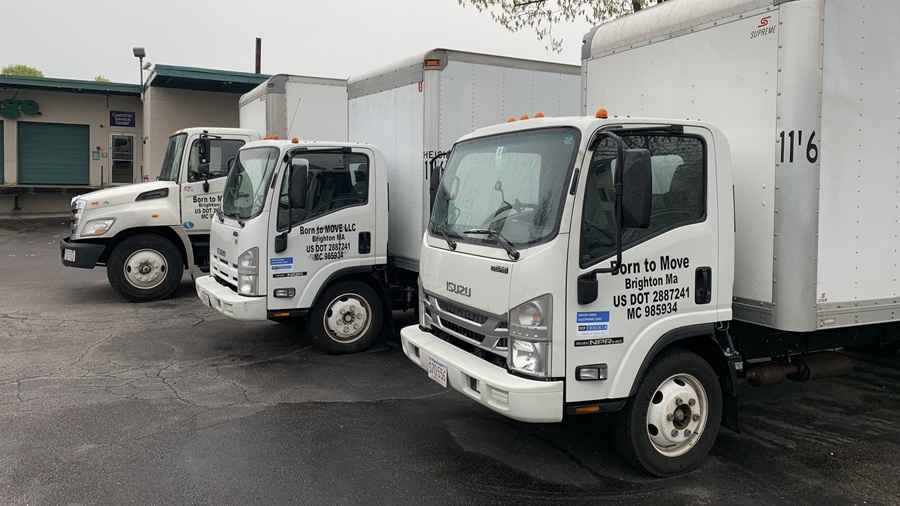
Born to Move operates within the highly competitive American logistics market, providing local, long-distance, and interstate moving services. Industry analysis consistently shows that structured processes — not improvisation — determine the outcome of a relocation. The anatomy of moving can be broken into six essential components.
Planning: The Strategic Phase
Every successful move begins with assessment. Volume estimation, building access, timeline coordination, regulatory requirements for interstate transportation — these variables shape the entire operation. Local moving services prioritize efficiency within metropolitan areas, while long-distance and interstate relocations require compliance with federal transportation standards and route optimization.
Professional planning minimizes risk before the first box is packed.
Packing and Protection
Damage during relocation most often results from improper packing. Professional packing and unpacking services use industry-grade materials and systematic labeling to protect household goods, electronics, artwork, and commercial equipment. Inventory control and itemized documentation reduce loss and improve accountability.
Packing is not a cosmetic step — it is a risk management function.
Disassembly and Reassembly
Furniture, office systems, and large residential items often require partial disassembly for safe transport. A structured approach ensures hardware preservation, surface protection, and correct reassembly at destination. Without technical handling, even minor mistakes can lead to structural damage or delays.
Professional crews are trained to treat relocation as mechanical execution rather than manual labor.

Transportation and Compliance
The transportation phase is the operational core of a move. Fleet condition, driver experience, weight distribution, and adherence to interstate regulations directly affect safety and delivery timelines. Interstate moving services, in particular, require precise documentation and logistical oversight.
A professional company integrates routing, scheduling, and regulatory compliance into a unified process.
Storage as a Strategic Solution
Not all relocations are immediate transfers from one property to another. Delayed closings, renovations, or corporate restructuring may require temporary storage. Secure storage services offer continuity without compromising asset safety.
Rather than a fallback option, storage can function as a strategic buffer within a larger relocation plan.

Specialty Item Handling
Certain items — pianos, heavy furniture, safes, or commercial machinery — require specialized equipment and technical expertise. Improper handling may result in significant financial loss or injury. Companies experienced in specialty item moving incorporate protective materials, weight management techniques, and coordinated lifting procedures.
Precision, not strength alone, defines safe transport.
Moving as a Managed Operation
The modern moving industry reflects broader trends in logistics and risk management. A relocation is not merely the transfer of belongings — it is a coordinated operational project involving planning, protection, transport, and compliance.
Professional moving companies that integrate these elements into standardized procedures reduce uncertainty and increase efficiency. In a market where consumer expectations emphasize reliability and accountability, structured execution has become the defining benchmark of quality.
When viewed through this lens, moving is not chaos. It is a system — and when managed correctly, it becomes a controlled transition rather than a disruptive event.
That is the true anatomy of moving.