
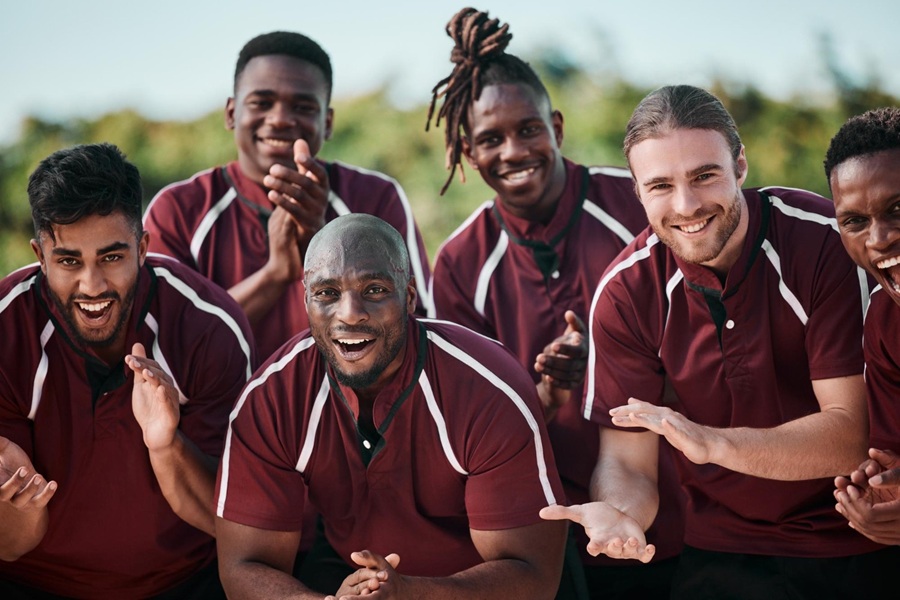
3 surprising ways to boost team pride
Thanks to the evolution of digital designs, teams no longer have to settle for basic or uninspiring uniform sets
THE THREE SURPRISING ways to boost instant team pride are leveraging advanced apparel customization, using color psychology, and utilizing flexible ordering systems. Moving beyond basic matching shirts transforms a group of individuals into a unified front.
By treating uniform design as a strategic investment, programs of any size can foster immediate belonging. This approach elevates on-field confidence and builds a highly recognizable community identity.
There is a recognizable moment in every athletic season when individuals suddenly operate like a cohesive unit. It frequently occurs just before the first official competition, right after the distribution of custom sports apparel.
The vivid team colors and personalized names initiate a visible shift in player body language. Shoulders pull back, posture improves, and communication sharpens instantly.
Historically, achieving this visual professionalism was an exclusive privilege reserved for well-funded collegiate programs. The global custom apparel market, valued at approximately USD 47.3 billion in recent years, is projected to reach USD 86.3 billion by 2030, growing at a CAGR of 7.8%.
The global sportswear market size was valued at approximately $395 billion in 2023 and is projected to reach about $580 billion by 2029. This rapid expansion reflects how deeply mainstream customization has penetrated every level of competition.
The evolution of digital design has completely democratized access to premium athletic wear. Teams no longer have to settle for basic or uninspiring uniform sets.
Embracing specialized gear across various sports disciplines fundamentally changes the overall athlete experience. This shift allows local amateur clubs to look and feel exactly like professional franchises.
1. Leverage Advanced Customization
Athletic customization extends far beyond basic aesthetics on the playing field. When a student-athlete pulls on a high-performance jersey featuring their specific name and number, the garment communicates a clear psychological signal.
Their presence is recognized, their role is valued, and the collective is worth representing. That specific, personalized validation serves as the bedrock for genuine team pride.
However, many athletic directors inadvertently limit their program’s potential by underestimating available customization capabilities. Modern athletic outfitting has evolved significantly past simply heat-pressing a generic logo onto an off-the-shelf blank t-shirt.
Understanding the complete spectrum of material and design options is the critical first step toward establishing a visual identity. This strategic approach genuinely resonates with ambitious athletes and dedicated supporters alike.
Go Beyond the Logo
The evolution of modern printing methods dictates that selecting the appropriate application technique is vital. Full sublimation printing has emerged as the industry standard for comprehensive color integration.
In this process, specialized dyes are infused directly into the molecular structure of the fabric itself. This technique yields vibrant graphics that will never crack, peel, or fade under heavy seasonal wear.
Conversely, traditional embroidery provides a textured, premium finish that conveys institutional authority for structured items like headwear. Heat-press vinyl remains highly effective for rendering sharp, high-contrast player names and numbers.
Advanced screen printing serves as an economical solution for bold graphics on high-volume training wear. Treating fabric selection as an active performance variable fundamentally improves both the presentation and functionality of the gear.
A truly cohesive uniform program also relies on highly precise design configurations. These elements include bespoke player lettering, mascot artwork integration, and specific neckline variations.
When modernizing an athletic program’s visual identity, administrators frequently review options to secure gear that combines durable fabric technologies with precise personalization. Evaluating platforms like Sports Gear Swag’s custom team baseball uniforms ensures that every detail contributes to a unified, professional aesthetic.
The Value of Starting Your Design With Expert Help
A common friction point in athletic administration is that coaches are hired for their tactical expertise rather than graphic design proficiency. Managing practice schedules and developing athletes leaves very little bandwidth for learning digital design software.
Implementing professional design support effectively resolves this frustrating operational bottleneck. Contemporary apparel platforms now frequently provide complimentary expert design assistance to streamline this entire process.
By offering digital design previews, organizations can review exactly how an intricate logo will render before committing funds. This workflow ensures that no public or booster funds are allocated until all stakeholders have officially approved the digital rendering.
Eliminating financial risk ensures total compliance with rigid institutional accounting standards. Programs frequently report immediate shifts in culture when transitioning from fragmented legacy gear to cohesive, customized apparel.
| Pro Tip: Utilize “pay-after-proof” design platforms to eliminate financial risk. This ensures your scholastic district or booster club approves the exact digital rendering before any public funds are officially committed. |

2. Use Color & Logo Psychology
The selection of team colors is frequently treated as an afterthought dictated by historical tradition. However, extensive research within the field of sports psychology indicates that color choices carry substantial psychological weight.
These visual cues directly influence the internal confidence of the athletes wearing the garments. They also shape the perceptions of spectators and can subtly impact the cognitive processing of opposing teams.
What the Research Says About Color & Athletic Performance
A seminal study provided quantifiable data regarding the fascinating intersection of color and competitive outcomes. In the 2004 Olympic Games, competitors wearing red uniforms won 55% of bouts, with the percentage increasing to 62% in closely fought matches.
The underlying hypothesis suggests that red inherently signals dominance, aggression, and elevated assertiveness. This evolutionary visual cue simultaneously boosts the wearer’s confidence while potentially increasing the opponent’s perception of physical threat.
While these implications do not guarantee an undefeated season, they confirm a critical premise regarding visual identity. Black and deep crimson palettes traditionally project intensity, power, and physical intimidation on the field.
Royal blue and crisp white combinations typically communicate calm precision, trustworthiness, and tactical discipline. Understanding and applying these psychological associations mirrors the brand architecture strategies utilized by top professional sports franchises.
Aligning Your Colors With Your Team’s Culture & Community
To effectively harness visual psychology, athletic organizations must implement a strategic framework for color selection. Organizations with established historical colors should always build upon that existing cultural foundation.
Palettes that connect directly to local municipal pride or longstanding scholastic traditions carry an inherent emotional resonance. Newly imported colors simply cannot replicate that deep community connection.
Certain neon and pastel shades can muddy or shift unexpectedly under varying stadium lighting conditions. Ensuring that the chosen palette maintains high fidelity on digital screens and woven fabrics is essential.
The primary function of an athletic uniform is instant identification during fast-paced gameplay. There must be a stark, undeniable contrast between the core garment color and the applied numbering.
Names and numbers must be instantly legible to referees making split-second calls during the game. Coaches evaluating spacing from the sidelines also rely entirely on this clear visual contrast.
Furthermore, logo placement functions as the architectural anchor of the customized uniform. The primary chest position commands the highest level of visual authority, while secondary sleeve patches provide structural depth.
Creating Visual Consistency Across the Full Uniform Set
The psychological benefits of a strong visual identity erode rapidly when team apparel is mismatched. An athlete wearing a royal blue warm-up hoodie over a navy blue jersey subtly signals organizational disarray.
This visual fragmentation undermines the unified, professional front that coaches work tirelessly to construct. Achieving consistency requires an end-to-end approach to holistic equipment procurement.
Every piece of equipment should share an exact Pantone match and a standardized logo treatment. This includes primary moisture-wicking game jerseys, compression undergarments, sideline jackets, and travel duffels.
Programs that successfully consolidate their aesthetic frequently report notable increases in social media engagement. They also see higher community attendance at events because the organization visually projects extreme competence.
| Key Insight: Color is never a neutral variable. Research shows teams wearing red inherently signal dominance and elevated assertiveness, proving that your uniform’s color palette can actively influence both player confidence and opponent perception. |
3. Embrace No-Minimum Ordering for a Stress-Free Season
Among the most persistent logistical hurdles facing athletic directors is the rigid minimum order requirement. Traditional apparel manufacturers often enforce these strict minimums for any customized production run.
A talented transfer student joining the roster midway through the competitive season typically requires a single customized jersey. When suppliers mandate a strict 12-unit minimum, these common situations immediately transform into expensive logistical crises.
Why Minimum Order Requirements Are a Real Problem
The business model relying on high minimum order quantities was originally developed during an older era. The manual labor required to set up physical silk screens made small-batch printing economically disastrous.
However, the advent of digital sublimation and computer-guided embroidery has fundamentally altered modern apparel economics. Despite these immense technological leaps, many legacy uniform suppliers refuse to update their institutional policies.
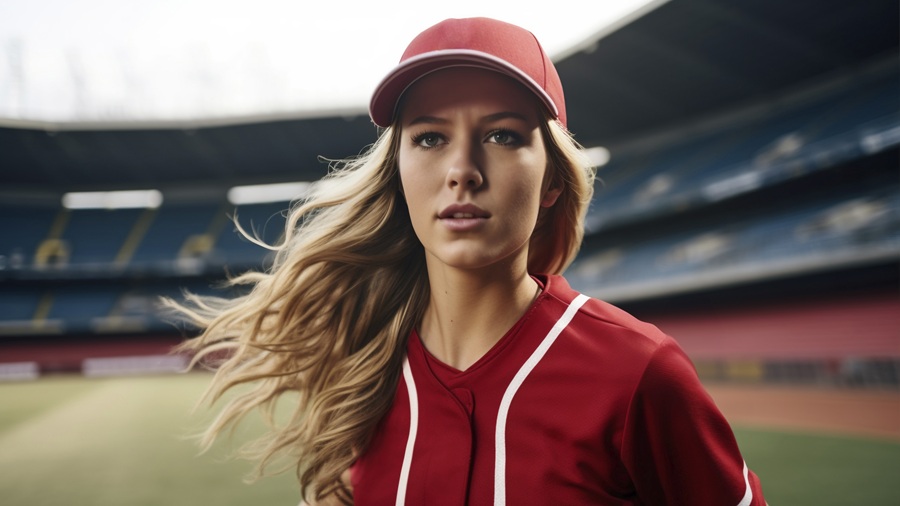
The operational consequences of these outdated policies are incredibly severe for local athletic organizations. A youth baseball manager faced with a late roster addition is frequently forced to field a player in generic gear.
This instantly isolates the new athlete from their peers on the active field. Alternatively, they must expend hundreds of dollars to purchase redundant garments just to secure one necessary jersey.
How Flexible Ordering Changes the Game
The modernization of the apparel industry through flexible ordering protocols resolves these logistical bottlenecks immediately. Contemporary providers can process single-item customizations utilizing premium Poly-Knit materials without issue.
They use the same high-fidelity sublimation techniques applied to massive institutional bulk orders. This ultimate flexibility transforms the management of athletic programs in several critical ways.
- Seamless roster management allows individual orders for mid-season transfers or damaged gear replacements to be processed immediately.
- Scalable financial efficiency ensures programs are financially rewarded for outfitting large rosters without being penalized for single-unit purchases.
- Rapid issue resolution pairs flexible production capabilities with expedited delivery frameworks for unexpected uniform emergencies.
Budgeting Smarter With Accessible Pricing
Embracing flexible supply chains allows organizations to practice significantly smarter financial stewardship overall. Scholastic athletic directors can request exact formal quotes for highly specific product quantities.
They are no longer forced into arbitrary bulk brackets, ensuring much more precise budget allocation. Eliminating the need to stockpile surplus gear means financial resources can be redirected toward vital equipment upgrades.
Catering to schools and organizations, many modern platforms now offer highly structured bulk discounts. Providing flexible payment schedules ensures maximum customer satisfaction and affordability for programs managing tight budgets.
These administrative upgrades completely remove the stress of fronting massive seasonal apparel costs. Coaches can finally focus on developing their players instead of acting as debt collectors.
| Important: Don’t fall into the trap of minimum order requirements. Forcing your program to buy redundant, surplus garments for a single late roster addition drains your budget and creates unnecessary administrative stress. |
The Bottom Line
Building genuine, enduring team pride is a multifaceted process that requires intense strategic attention. Implementing advanced customization ensures that every individual roster member feels personally validated and seen.
This recognition makes them feel like a crucial component of the overall collective athletic effort. Applying scientific principles of color psychology effectively projects an aura of institutional strength and tactical discipline.
Maintaining strict visual consistency commands immediate respect from opponents and enthusiastic spectators alike. Modernizing administrative workflows by partnering with agile suppliers eliminates historical logistical friction.
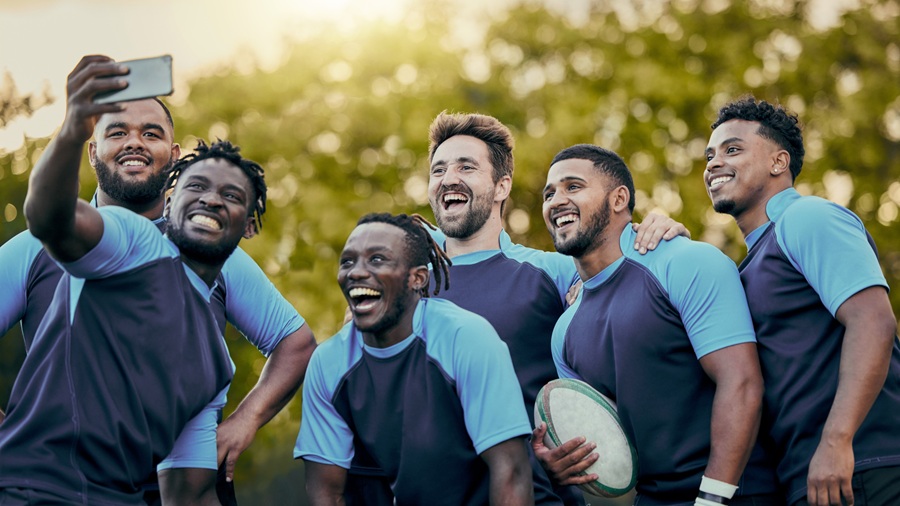
Treating uniform outfitting as a dynamic tool for cultural development is essential for modern sports identity. Program leaders can foster an environment where athletes step onto the field unified, confident, and overwhelmingly proud.
| Author Profile: Sports Gear Swag is the leading online retailer of custom sports apparel and gear for teams, schools, and organizations of all sizes. Specializing in team jerseys, uniforms, and athletic apparel with a wide range of customization options. |