
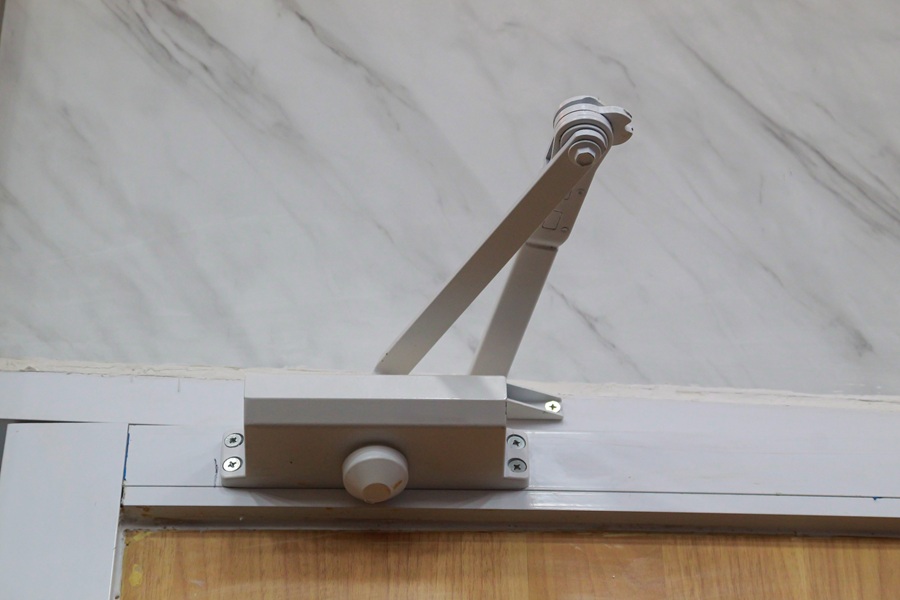
Door closers explained: Getting a smooth close without the slam
It’s worth understanding how door closers operate — and how small adjustments can create a noticeably smoother experience
EVER WALK THROUGH an entrance and get hit with that sudden bang behind you – loud‚ jarring‚ and just a little bit stressful? A door that slams doesn’t just feel unprofessional; it can damage hardware‚ loosen hinges‚ crack frames‚ and shorten the life of the entire opening. The good news is that most slamming issues come down to a few predictable causes‚ and once you understand how a door closer works‚ you can usually get that calm‚ controlled close back again.
In some situations‚ people jump straight to door replacement‚ assuming the door itself is the problem. But slamming is often a closer issue first: incorrect valve settings‚ wear in the closer body‚ a damaged arm‚ or a door that’s slightly out of alignment. Before committing to big changes‚ it’s worth understanding what the closer is supposed to do – and how small adjustments can create a noticeably smoother experience.
Why Doors Slam and Why It Matters
A door closer is essentially a kinetic energy management system. It is designed to take the force used to open a door and store it in a spring, then release that energy in a controlled manner to pull the door shut. When the system is out of tune, that energy isn’t dissipated; it’s accelerated.
The Hidden Costs of a Slamming Door
When a door slams, the damage isn’t just auditory. It creates a mechanical “shockwave” that travels through every component of the opening:
- Hardware Stress: Every slam puts immense pressure on the latch bolt and the strike plate. Over time, these components can bend or shear off.
- Frame Fatigue: Commercial door frames are often grouted or anchored into masonry. Repeated high-impact vibrations can crack the surrounding drywall or loosen the anchors.
- Hinge Wear: Slamming creates a “whiplash” effect on the hinges, leading to sagging doors that eventually scrape the floor.
- Safety Hazards: In high-traffic environments, a door that snaps shut too quickly is a liability. It can catch fingers, heels, or assistive devices like walkers and wheelchairs.
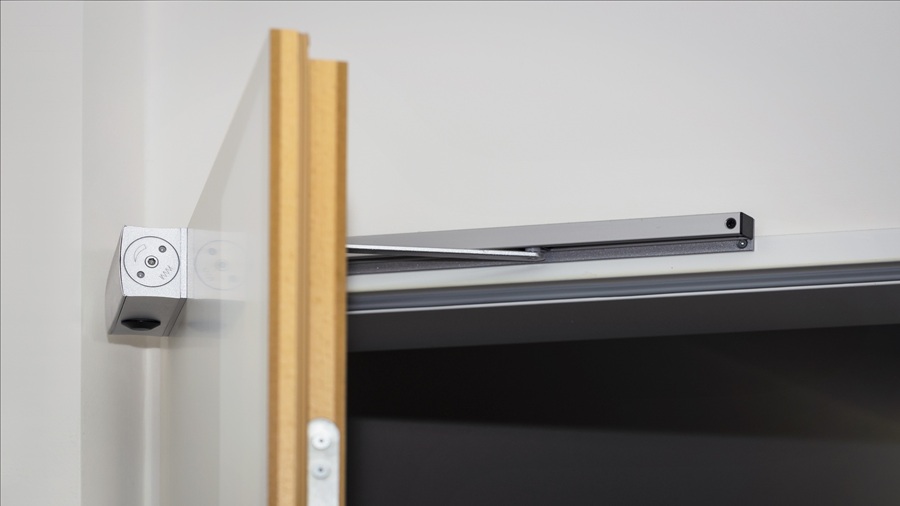
How a door closer controls the swing
Most closers rely on hydraulic resistance. As the door moves‚ fluid travels through internal channels‚ and adjustable valves regulate how fast that fluid can move – essentially setting the speed of the close. The swing is typically controlled in stages (main closing speed‚ then latching speed)‚ and many closers also have “backcheck‚” which resists the door if it’s flung open too hard.
The mounting surface matters too. A closer installed on an aluminum door system may behave differently than one mounted on heavier materials‚ because the door’s weight‚ stiffness‚ and pivot behaviour change how force travels through the arm and closer body. That doesn’t mean aluminum entries are “worse” – it just means the setup has to match the door‚ and the closer needs to be adjusted with that door’s movement in mind.
The Impact of Mounting Surfaces and Materials
Not all doors are created equal, and the material of the door significantly impacts how a closer behaves.
Aluminum vs. Steel vs. Wood
- Aluminum Storefronts: These are lightweight and flexible. Because they lack the mass of a steel door, they can “flutter” in the wind. Closers on aluminum doors need a very delicate latch speed setting to avoid a jarring vibration.
- Hollow Metal Doors: These are heavy and hold a lot of momentum. They require more “force” to close but are more susceptible to damaging the frame if they slam.
- Wood Doors: Changes in humidity can cause wood doors to swell or shrink. A closer that worked perfectly in the winter might start slamming in the humid summer because the door is rubbing against the frame, requiring the closer to work harder-only to “snap” once it clears the friction point.
Identifying the Culprit: Closer vs. Lockset
Before grabbing a screwdriver, you need to ensure the closer is actually the problem. Sometimes, what sounds like a slamming closer is actually a hardware misalignment.
Diagnostic Checkpoints
- The “Slow-Motion” Test: Open the door and let it close naturally. If it moves smoothly but stops abruptly just before latching, the strike plate might be misaligned.
- The Fluid Leak Test: Look for “weeping” around the adjustment valves or the main spindle. If you see oily residue or dust clinging to oil, the internal seals have failed. Once the fluid is gone, there is no resistance, and the door will slam regardless of your settings.
- The Wind Factor: Does the door only slam when the HVAC system is on or when a window is open? This is “stack pressure.” You may need a more powerful closer (a higher “size” or “power” rating) to overcome the air resistance without relying on high speed.
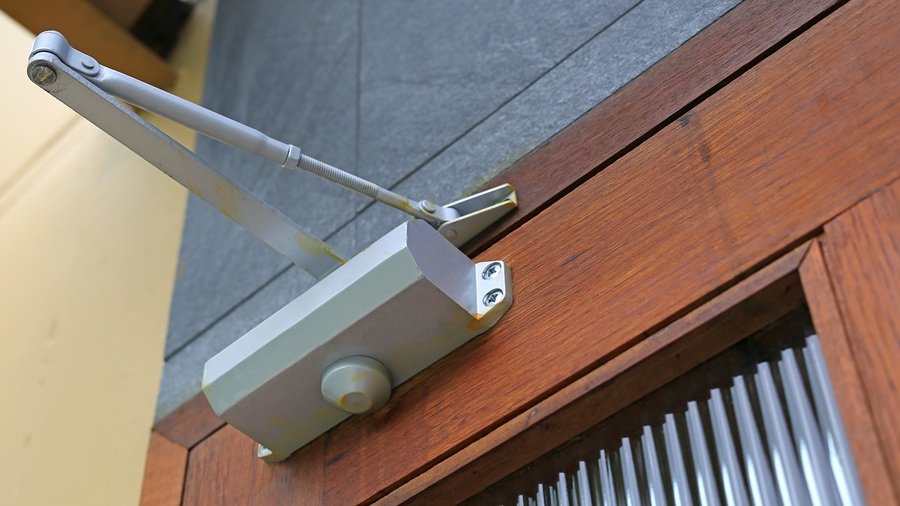
Adjusting Your Door Closer: A Step-by-Step Guide
Most commercial closers have adjustment valves hidden under a plastic or metal cover. These are typically marked with “S” (Sweep) and “L” (Latch).
Tools Needed
- An Allen key (usually 1/8″ or 5/32″) or a flat-head screwdriver.
- A ladder (if the closer is mounted high).
- Patience.
The Golden Rule of Adjustments
Never turn the valves more than 1/8 to 1/4 of a turn at a time. These valves are extremely sensitive. Furthermore, never back the valve all the way out. If you unscrew it too far, the hydraulic fluid will spray out, and the closer will be permanently ruined.
Perfecting the Sweep and Latch
- Adjust the Sweep: Start with the door at $90^\circ$. It should take about 3 to 5 seconds to reach the $15^\circ$ mark. If it’s too fast, turn the “S” valve clockwise.
- Adjust the Latch: This is the “anti-slam” adjustment. If the door bangs, turn the “L” valve clockwise. The goal is for the door to slow down significantly in the last few inches, then gently “click” into the frame.
- Adjust the Backcheck: If the door hits the wall when opened, turn the “BC” valve clockwise to increase resistance during the opening cycle.
When the Issue Isn’t Just Settings
Sometimes, no amount of turning valves will fix the problem. This is where mechanical wear comes into play.
Worn Internal Springs
Over tens of thousands of cycles, the heavy-duty spring inside the closer can lose its “memory.” If you have to turn the power up to its maximum setting just to get the door to shut, the spring is likely fatigued.
Damaged Arms and Linkages
The arm is the lever that transfers force. If the arm is bent, or if the “elbow” joint is loose, the geometry of the close changes. A loose arm will “jerk” as the door transitions from the sweep speed to the latch speed, often resulting in a loud metallic “clack” followed by a slam.
Environmental Factors
- Extreme Cold: Hydraulic oil thickens in the winter. If your closer is on an exterior door, you might find it closes too slowly in January and slams in July. This is why “All-Weather” fluid is essential for professional-grade hardware.
- High Traffic: In schools or hospitals, closers experience “cycle fatigue” much faster. If a closer is rated for 500,000 cycles but is on a door used 500 times a day, it may only last a few years.
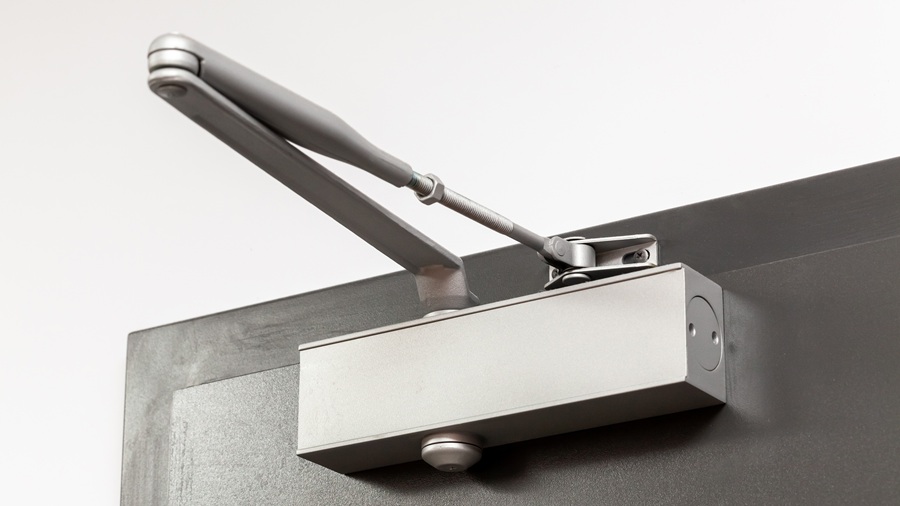
Maintenance Tips for Longevity
To prevent the slam from returning and extend the life of your hardware, follow this simple maintenance schedule:
- Tighten Mounting Screws: Vibrations loosen hardware over time. Check the screws connecting the closer to the door and the arm to the frame every six months to prevent sagging or misalignment.
- Lubricate the Arm Pivot: Metal-on-metal friction causes jerky movement. A drop of white lithium grease on the arm’s elbow joint prevents squeaking and ensures a fluid, silent swing.
- Clear Obstructions: Inspect the floor and frame regularly. Ensure no weatherstripping has come loose or debris has collected, which forces the closer to work harder and leads to premature seal failure.
- Check Seasonal Adjustments: Hydraulic fluid density changes with the temperature. Test your door’s speed during extreme seasonal shifts (summer and winter) to ensure the sweep and latch speeds remain within a safe, controlled range.
- Wipe Down the Body: Keep the closer housing clean. Removing dust and grime allows you to spot hydraulic leaks early, potentially saving the door frame from oil damage before the unit fails completely.
When to Bring in a Professional
While small adjustments are a DIY task, commercial door systems can be complex. You should call a professional if:
- The Closer is Leaking: This is a non-repairable failure. The unit must be replaced.
- The Door is Sagging: If the door is hitting the frame, no closer adjustment will make it shut correctly.
- ADA Compliance is Required: The Americans with Disabilities Act has strict requirements for “opening force.” If you make the door too hard to open while trying to stop a slam, you could be in violation of building codes.
- Fire-Rated Openings: Doors in fire corridors must latch 100% of the time. If you turn the latch speed down too much, the door might not catch, which is a major fire safety violation.
If you want a calm‚ controlled close that feels “right” every time‚ Lawrence Doors can help assess the closer‚ the mounting‚ and the door’s movement – and then dial it in so the slam disappears.