
Premium vs mass market: What justifies a higher price tag in collector items
Does the premium price of a collectible truly reflect superior value, or is it merely marketing hype?
COLLECTORS CONSTANTLY FACE a fundamental question when building their portfolios: does the premium price truly reflect superior value, or is it merely marketing hype? The gap between mass-market collectibles and high-end pieces can span hundreds or even thousands of dollars for seemingly similar items. Understanding what drives this disparity requires examining tangible differences in production methods, material selection, engineering precision and brand positioning. These factors combine to create objective value distinctions that separate investment-grade pieces from casual purchases.
Material Quality and Engineering Precision
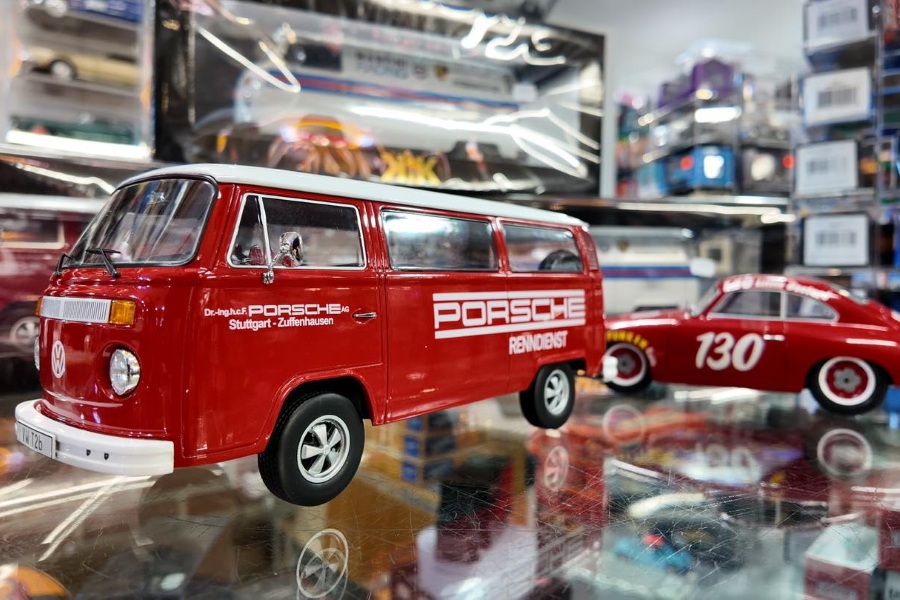
Premium collectibles like autoart models employ zinc alloy die-cast construction with multi-part assemblies, while mass-market alternatives rely on single-mold plastic injection. This fundamental material difference affects weight, durability and detail retention over decades. High-end manufacturers invest in proprietary alloys that resist corrosion and maintain dimensional stability. Tooling costs for metal dies exceed plastic molds by factors of ten, requiring larger upfront investments. The result is a product that feels substantial in hand and withstands repeated handling without degradation. These engineering choices directly impact long-term value retention in secondary markets.

Production Scale and Artificial Scarcity
Mass-market items benefit from economies of scale, with production runs reaching tens of thousands of units. Premium manufacturers intentionally limit quantities to between 500 and 3,000 pieces per release. This controlled scarcity creates immediate collectibility but also reflects genuine production constraints. Complex assembly processes cannot be easily automated at scale without compromising quality. Hand-applied details, individual quality inspections and numbered certificates add labor costs that mass production eliminates. Limited runs also reduce inventory risk for manufacturers, allowing them to maintain pricing discipline. Collectors pay a premium for exclusivity that has tangible supply-side justification.
Licensing Agreements and Intellectual Property Costs
Official licensing from automakers, studios or estates adds significant cost layers to premium collectibles. Manufacturers must pay upfront guarantees, per-unit royalties and submit to rigorous approval processes. Mass-market producers often avoid these expenses by creating generic designs or operating in jurisdictions with lax enforcement. Premium brands gain access to original CAD data, archival materials and brand association rights. This authenticity carries legal and financial weight that generic alternatives cannot match. Licensing fees typically represent 8 to 15 percent of wholesale cost for premium items. Buyers pay for legitimacy that protects investment value and ensures historical accuracy.
Detail Density and Multi-Process Manufacturing
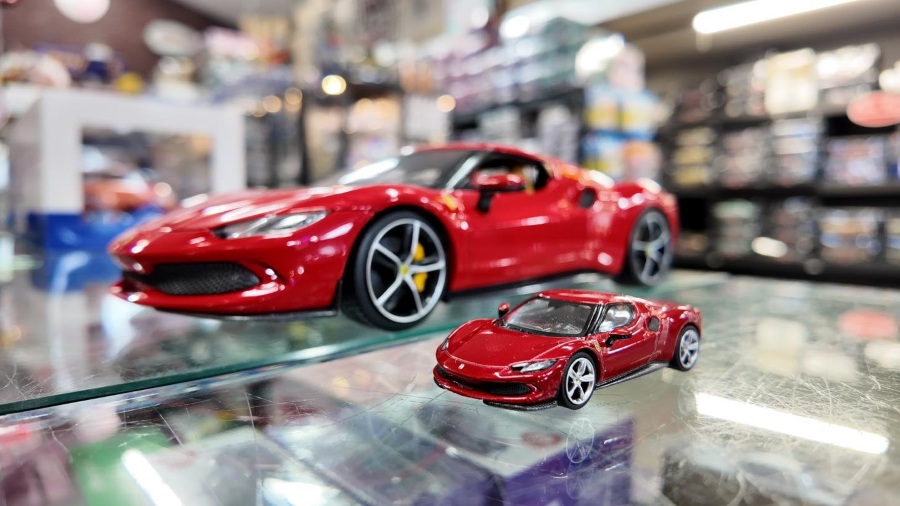
Premium collectibles undergo five to eight distinct manufacturing stages, compared to two or three for mass-market pieces. Base casting is followed by precision machining, multi-layer painting, pad printing, assembly and final inspection. Each stage introduces quality control checkpoints that reject substandard units. Mass producers minimize touches to reduce labor costs, accepting higher defect rates. Premium items feature photo-etched parts, separately applied decals and hand-painted accents impossible to replicate in automated production. This process complexity translates directly into hours-per-unit metrics that define cost structures. The visible result is surface detail and color accuracy that mass methods cannot achieve.
Brand Heritage and Secondary Market Performance
Decades of consistent quality create brand equity that commands premium pricing independent of individual item costs. Collectors recognize names associated with museum-quality output and pay for that assurance. Secondary market data shows premium brands retain 60 to 80 percent of original value after five years, while mass items drop below 30 percent. This performance gap reflects buyer confidence in long-term desirability. New collectors entering the market research past auction results and forum discussions that reinforce brand hierarchies. Premium manufacturers invest in customer service, documentation and community engagement that mass producers ignore. These intangible factors create measurable price support across product lines.

Packaging and Presentation Standards
Premium collectibles arrive in custom-fitted display cases with protective foam inserts and printed documentation. Mass-market packaging uses generic blister packs or thin cardboard with minimal protection. This difference affects shipping damage rates and storage longevity. Collectors who maintain original packaging see higher resale values, making premium presentation a tangible asset. Display cases often feature acrylic covers and wood bases that function as standalone presentation solutions. Packaging costs represent 10 to 15 percent of premium item pricing but deliver functional and aesthetic value. Mass producers view packaging as pure expense to minimize, sacrificing protection for margin.
Research Investment and Historical Accuracy
Premium manufacturers employ researchers who verify dimensions, colors and configurations against historical records. This due diligence requires accessing archives, consulting experts and sometimes physical measurement of original subjects. Mass producers work from readily available images and approximate specifications. The accuracy difference matters deeply to serious collectors who value authenticity. Premium items become reference standards that other manufacturers emulate. This research investment spreads across limited production runs, increasing per-unit costs significantly. Collectors pay for confidence that every detail reflects documented reality, not artistic interpretation. This precision distinguishes investment pieces from decorative approximations in competitive collecting categories.