
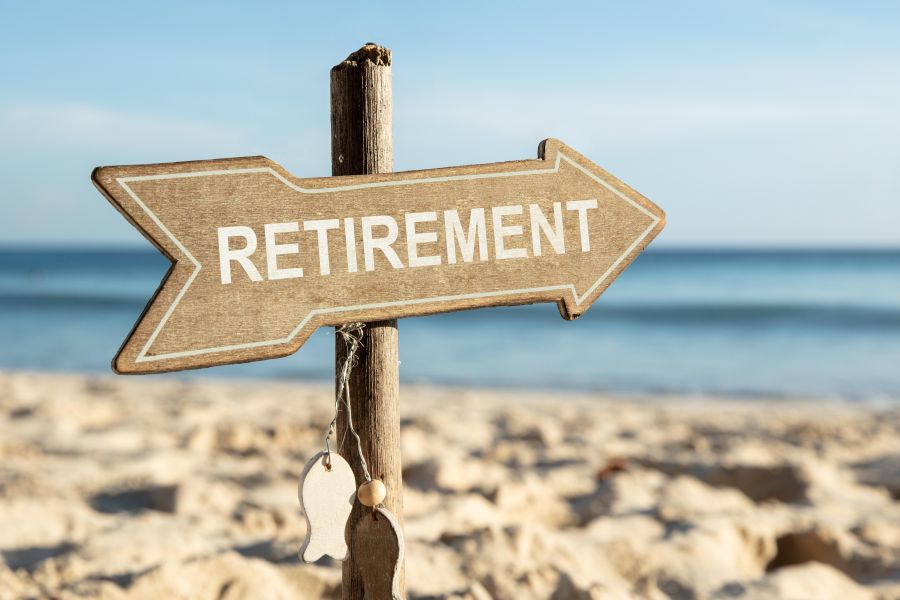
How to reduce stress after your retirement
Lowering stress in retirement is about finding what works for you
RETIREMENT CAN FEEL like a breath of fresh air. After years of work, many people look forward to enjoying hobbies, traveling, or just having more free time. However, retirement can also bring challenges that cause stress. Adjusting to a new routine, managing money, and feeling isolated can be tough.
The good news is that with the right strategies, retirees can lower stress and enjoy this new phase of life. Here are some ways to create a calm and fulfilling retirement.
Create a Balanced Routine
To reduce stress in retirement, start by making a daily routine that feels good and rewarding. This doesn’t mean planning every minute, but rather including a mix of activities you enjoy. Begin your day with a simple morning habit, like having a leisurely breakfast followed by a walk or some gentle stretching.
In the afternoon, engage in hobbies you’ve always liked, whether that’s reading, gardening, or trying something new like painting. Staying active and involved keeps your mind sharp and gives you a sense of purpose. A well-structured routine helps you feel stable and in control, making it easier to handle unexpected changes.

Social Connections Matter
As you move into retirement, it’s important to stay connected with friends and family for your emotional health. Loneliness can increase stress and lead to depression, so staying socially active is key. Make time for regular catch-ups with friends, whether in person or online, and consider joining community groups or clubs that match your interests.
If you are thinking about a retirement home, check out the social opportunities they offer. Many retirement communities provide a lively atmosphere with activities, outings, and events that encourage social interaction. Being around others who are in a similar stage of life can bring companionship and support, helping you adjust to changes in retirement.
Mindfulness and Relaxation
Using mindfulness in your daily life can help reduce stress. Simple techniques like meditation and deep breathing can help calm your mind. You don’t need to spend hours on these practices; just a few minutes each day can make a difference.
Yoga is also a great way to mix mindfulness with physical exercise. Many retirees find that gentle yoga improves flexibility and strength while helping them relax and feel less anxious. Even taking a moment to sit quietly and think can be helpful. Find what works for you and make it a part of your daily routine.

Explore Assisted Living Options
For some people, moving to assisted living can provide a good mix of independence and support, which can lower stress. Assisted living communities often offer services like housekeeping and meal preparation, letting you focus on what you enjoy most. These communities usually have various activities and social events, giving you chances to connect with others and make new friends.
Choosing assisted living doesn’t mean giving up your independence. It allows you to keep the lifestyle you want while having help when you need it. Knowing that assistance is available can ease worries about everyday tasks.
Stay Physically Active
Staying active is key for your health and managing stress in retirement. Regular exercise releases endorphins, which can improve your mood. Whether you prefer walking, swimming, or group fitness classes, find an activity that you enjoy.
Consider visiting local parks or nature trails to get some fresh air and sun. Nature can be very calming. You might join a walking group to make exercise more social and easier to stick with. Staying fit doesn’t have to mean tough workouts. It can simply mean staying active in a way that feels good to you.

Pursue Lifelong Learning
Retirement is a great time to explore interests you may have put aside while working. You could join classes at a local community college or take online courses in subjects you find interesting, such as learning a new language or photography.
Keeping your mind active provides a sense of achievement and can help you meet new people. Learning new things can be exciting, keeps your brain healthy, and distracts you from stress.
Wrap Up Your Retirement with Joy
In the end, lowering stress in retirement is about finding what works for you. Life may be less busy, but filling your days with activities, social connections, and self-care will help you thrive. As you go through this new phase of life, remember it’s okay to ask for help and look for resources that can support you. Focusing on your well-being will make this part of your life rewarding.