
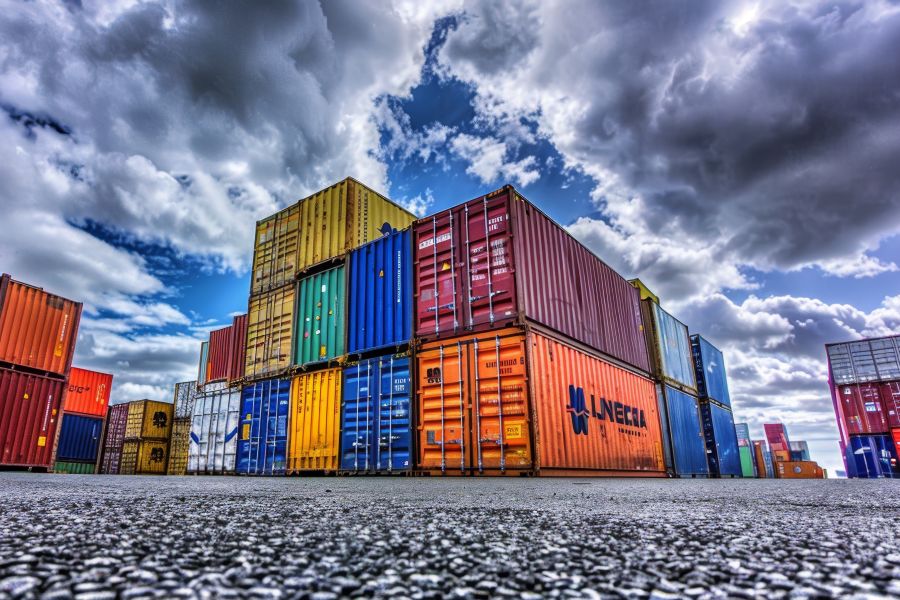
Improving logistics performance through container optimization
Container optimization is a necessary strategy for remaining competitive as logistics demands change
CONTAINER OPTIMIZATION IS a strategy for businesses that aim to improve logistics performance. Because supply chains are complex and transportation costs affect profits, organizations must find ways to increase the value of every container. Effective container management is a way to lower waste, improve the movement of cargo plus support reliable delivery schedules.
Modern logistics operations are dependent on careful planning and the effective use of resources. When businesses optimize how they select, load, track but also maintain containers, they improve efficiency and customer satisfaction – this process is about creating a logistics network that is responsive as well as effective rather than only saving space.
Container Utilization
Maximizing available space is a central part of container optimization. Containers that are not full increase transportation costs because businesses pay for space they do not use. Proper planning is a method that allows companies to use container space more effectively and improves how shipments move.
Load density increases or products remain safe when cargo is arranged carefully. Logistics teams that understand the size, weight or packaging of cargo are able to create loading plans that maximize space without damaging the shipment.
Cargo Planning
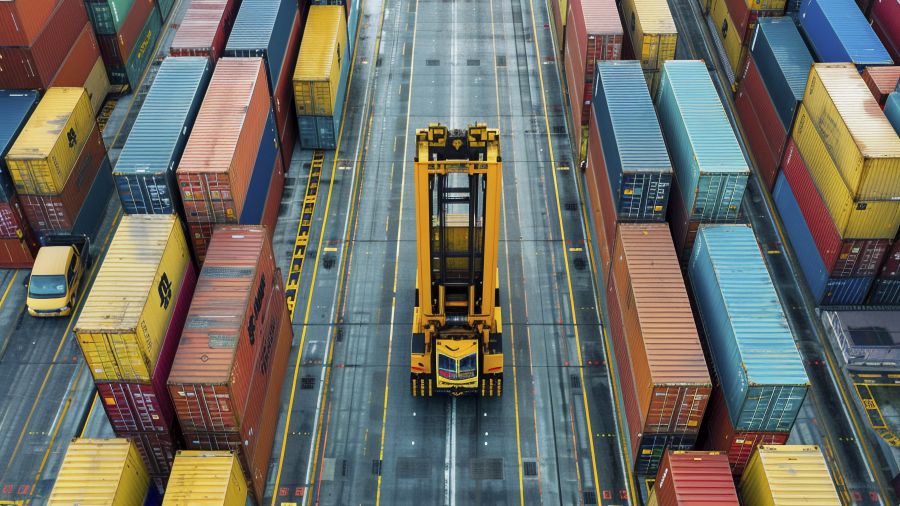
Effective cargo planning is a significant contributor to logistics performance. Businesses should evaluate cargo characteristics, transportation requirements and destination needs before they load a shipment – this preparation is a way to prevent delays next to improve the flow of goods through the supply chain.
Advanced planning is also a tool to lower the chance of loading errors. Unloading is faster and more efficient when cargo is grouped logically plus loaded based on delivery priorities – this process can lower labor costs and improve the speed of warehouse but also distribution center operations.
Technology Integration
Technology is a primary factor in container optimization – Tracking systems, sensors and management software provide data about container movements as well as space usage – these tools are helpful for organizations to find inefficiencies or make decisions about resource allocation.
Real-time visibility allows managers to monitor shipments during the entire journey. Access to accurate information is a way to support faster responses when disruptions occur. It also improves coordination between providers, warehouses and customers. Better communication is a factor in stronger logistics performance across the entire supply chain.
Container Selection
Choosing the correct container for specific needs is another important factor. Different cargo types may require containers designed for temperature control, security or large goods. Selecting the right equipment is a way to ensure that products are protected during transportation.
Businesses that visit Buy Used Shipping Container can evaluate the condition, size or purpose before they make a purchase. Careful selection is a support for long term efficiency and helps prevent problems that occur when containers do not meet specific requirements.

Maintenance Practices
Containers that are well maintained contribute to smooth logistics operations. Structural damage, doors that do not work next to worn parts are factors that cause delays, increase repair costs and make cargo less secure. Regular inspections are a way to find potential issues before they affect shipments.
Preventive maintenance programs are also a method to make containers last longer plus improve reliability. Organizations can lower unexpected disruptions and maintain consistent performance – fixing minor problems early. Reliable equipment is necessary to meet delivery schedules but also customer expectations.
Inventory Management
Container optimization is a way to improve inventory management. Businesses have better visibility of stored products and shipment contents when containers are organized. Improved organization is a support for faster tracking as well as accurate stock management.
Many companies that buy shipping container Vancouver solutions for storage or transportation integrate container management into inventory systems – this method is a connection between logistics and inventory control, which helps businesses improve efficiency.

Cost Reduction
Reducing costs is a primary benefit of container optimization. Efficient use of space lowers transportation expenses – increasing cargo capacity or reducing the number of shipments – these savings are a factor in overall business performance.
Optimized container operations are also a way to lower labor needs, minimize handling and decrease the chance of cargo damage. Businesses can use resources more effectively next to focus on growth and customer service when logistics processes are efficient.
Conclusion
Improving logistics performance through container optimization requires planning, technology, maintenance plus resource management. Businesses that focus on container use and operational processes are able to improve transportation efficiency but also supply chain performance.
Container optimization is a necessary strategy for remaining competitive as logistics demands change. Organizations that use effective management practices are able to lower costs, improve reliability and build logistics networks that support long term success.