

How small businesses can create shareable event experiences
You do not need a huge budget to create a shareable event experience
WHILE WE LIVE in an increasingly digital world, live events are still key to businesses making those connections needed with customers, partners and local communities. There are social media and online advertising which do help but there is no match for an excellent memorable experience face to face. Events for small businesses are a perfect way to connect, build brand awareness and inspire interaction beyond the event itself.
Shareability is one of the best outcomes from a successful event. Authentic word-of-mouth advertising occurs with businesses, when attendees freely discuss and take photos or share their experiences with others. You do not need a huge budget to create a shareable event experience. In contrast, all you need is serious strategy and comprehension of the audience to make sure that they are engaged with the event.
Starting With: What is Stealability
People relate in things that will stimulate their emotion, serve them a value or impart an experience they would not dare to forget. Emotions share social sharing regardless of whether its excitement, surprise, solidarity or inspiration. Attendees are more likely to talk about the event if it is different from their normal life.
Here are a few characteristics that highly shareable events have in common. They inspire action rather than merely inform, they’re clean but not complicated, and they have been designed with the attendee in mind. But above all it makes memorable moments people want to talk about.
Instead, the emphasis with small businesses should not be on getting out promotional messages but in creating experiences that people attending will actually enjoy. Participants will naturally want to share when they enjoy the value of an event, without pushing this effort.
Start with Clear Event Objectives
You have to set specific goals first before planning any event. There are businesses that may want to do more with the community, while others may be customers appreciation day events, education workshops, networking events and awareness of an industry.
Without defined objectives, we cannot decide what activities to engage in or think about event layout and attendance strategies. A well defined purpose helps that every aspect of the event adds up to a value experience.
Understanding your target audience is also equally important. Different groups have different expectations. Networking a group of professionals vs Family friendly community events, it will take a different form. Through aligning activities with what attendees are most interested in, businesses can create experiences that will resonate deeper and drive engagement.

Talked About Experiences That’s What You Want to Design
Arguably one of the most common mistakes that event planners make is assuming that people will stay engaged just by watching. It is common for audiences today to want to participate rather than just attend.
Enhanced: Interactive activities can greatly amplify the level of involvement. Interactive experiences People can touch it, feel it, and see it in action through hands-on demonstrations, workshops, contests, collaborative projects and live entertainment to experience the latest technology first-hand allowing attendees to participate rather than watch.
Interactive experiences especially create memories because of higher personal engagement criteria. Attendees engage with an activity when they help create it. By investing in this way, they are more likely to speak about the event after it happens, or highlight aspects to their networks.
Priorities for Businesses It is also advisable to provide attendees with a learning experience. Learning experiences create value that lasts well beyond the event and more positive conversations for many months after.
Creating Visual Moments Worth Capturing
Visual appeal is very important in the modern event experience. Everyone likes to be around good-looking surroundings and interesting displays. An extravagant decoration is not a must for visually appealing events but good design can help make all the difference.
A positive vibe of creative signage, thematic elements, comfortable layouts and gathering spaces. You can provide them with comfortable seating areas, beautiful arrangements, and unusual event features to take photos of and share on social networks.
The intent is not to conjure forced photo-ops, but to create a space that prompts people to want to take pictures and share their experiences. Being authentic often gets more engagement than highly staged setups.
How Practical Event Essentials Improve the Attendee Experience
Attendee comfort is something that many event planners overlook. Quality accessories and event materials can make the experience a lot better, especially during outdoor activities.
The orderly flow of itemization from event guides to schedules, name badges, hydration stations and weather-accommodating accessories makes it much easier for attendees to navigate the event comfortably. Organisers often use custom hand fans from a supplier like 4inlanyards that aid the outdoor festival and summer community events experience by allowing attendees to stay comfortable whilst providing event information in a useful format.
When attendees feel comfortable and cared for, they will stick around to enjoy the entire event!

Building Opportunities for Social Interaction
The most memorable event experiences are often the unstructured ones that arise from human connections. Providing ways for the participants to network with each other is a great way to keep engagement high.
Meaningful talks are facilitated through networking sessions, discussion groups, collaborative activities or community-focused initiatives. Such interactions often leave a lasting mark, as they can potentially provide more personal value than the event itself.
Attendee engagement can be further strengthened through community involvement. The most impactful events for the target audience are often those related to local causes or organizations with whom they engage or that encourage them to participate in their community. Events support a stronger emotional connection and driven word-of-mouth sharing.
Incorporating Storytelling into Event Planning
As a general rule, stories stick better in our minds than facts. Good event planning is telling a story that ties everything together in the best way possible.
An event narrative also provides some clarity into why people are there and what they can gain from the gathering. It does not matter if the event is geared toward community, industry, customer and/or educational growth; storytelling context helps experience matter.
It is important to note that each event can have its own story, whether it be speakers and presentations or experiences with attendees. Attendees want to feel connected to the goals of your event so share some examples from the real world that illustrate this plus any successes that have occurred.
The Ease and Naturalness of Social Sharing
But business can facilitate organic sharing if attendees never feel compelled to share.
Visibility will be better with clear event branding, accessible info, and memorable experience. Similarly, interactive displays, engaging activities and attractive environments give attendees content that they will want to share organically.
The key is authenticity. What experiences attendees would choose to share are more sincere and less like a well-rehearsed advertisement. Value-based businesses often find they receive more visibility almost by their doing and not asking for it.
How to Tell If a Shareable Event Has Been Successful
The shareable experience of an event requires constant iteration. Outcome tracking allows organizers to see what needs work and where it went well.
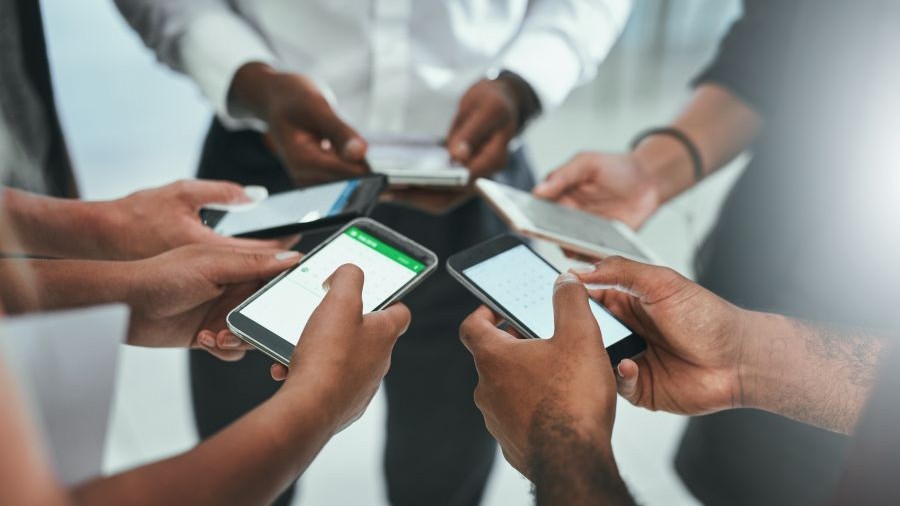
Numbers at the door are one metric of success, but high levels of engagement are typically more valued. You can get great insights into the event experience by sending feedback surveys, conducting participant interviews, tracking social mentions, and observing attendee interactions.
By tracking these metrics, businesses can fine-tune subsequent events and generate even better experiences as time goes on.
Final Thoughts
You do not require huge budgets to create moments that rest memorable and become readily shareable, even for small businesses. A few secret ingredients for a successful event experience is careful planning, tangible engagement and physical comfort so the participants feel a sense of wanting to connect with other human beings.
With interactive elements, good visuals, storytelling and community involvement, you can ensure that your event will make people want to discuss it and share returns. The most shareable events, after all, may be those that value experience over promotion and focus on giving participants memories that last well beyond the event itself.