
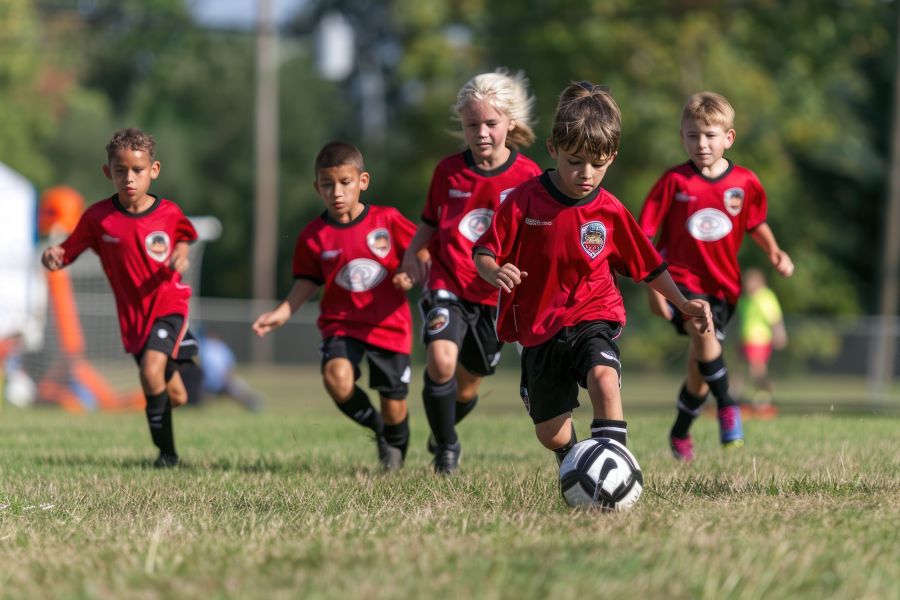
How local sports organizations contribute to economic development
Local sports organizations help build stronger communities and promote sustainable economic development
LOCAL SPORTS ORGANIZATIONS and leagues are traditionally positioned as providers of recreation and competition. But they make way more impact beyond the pitch. Sports organizations are significant to economic development from job creation and rooting for local business, to drawing visitors and enhancing community infrastructure. Youth leagues, amateur clubs, school athletic programs and community sports associations of all shapes form an important part of the financial health and long-term growth of their respective communities.
The Economic Function of Local Sports Organizations
Local sports organizations are an indispensable cog in the community ecosystem. They provide a nexus of athletes, families, volunteers, coaches and fans while also creating economic activity through events, facilities and ancillary services.
Compared to other community projects that take place sporadically, sports programming tends to operate year-round therefore creating recurring expenses and engagement. The exceptions could be registration fees, facility rentals for events and even local sponsorships which put economic force in motion within a region. Consequently, this has led to increased awareness of sports organizations as key players in local economic development strategies.

Creating Employment and Business Opportunities
Job creation: One of the simplest ways that we see sports organizations directly impacting economic growth. You have coaches, trainers, referees and event coordinators, facility managers and administrative help that are for the most part essential to making sports programs work.
More than that, sports activities create opportunities for local businesses that go beyond direct employment. A lot of businesses will see an upside to having active sports programs: restaurants, hotels, transportation providers (airlines, bus and car rentals), printing companies and equipment vendors are industries that frequently gain from many active sports programs. Such tournaments and seasonal competition can tremendously boost customer traffic for businesses in the surrounding area.
Sports organizations also enable the existence of specialized industries. To cite one example specifically, service providers from team event planners to a uniform and high-branded sports apparel supplier for teams create the synergy of supporting not just one organization but a host of other local and regional businesses. That said, USportsGear is a part of that ecosystem catering to the apparel and customization needs of sports teams and organizations.
Driving Revenue Through Sporting Events
As they often bring inbound visitors, sporting events can create a large amount of economic activity. Many youth tournaments, regional championships and community sports festivals have drawn hundreds or thousands of visitors to host communities.
These vacationers spend cash on lodging, eateries, transports, diversion and retail. Consistent events create large- or even small-scale economic benefits throughout the year.
Communities that have annual sporting events are often assured revenue streams to help sustain local businesses and contribute toward regional economic stability. Each of these events taken in isolation may not be extremely damaging, but the cumulative effect is significant, particularly so in areas attempting to broaden their economic base.
Strengthening Community Infrastructure
Traditionally, money put into sports facilities will stimulate the construction, attracting beneficial renovation that disseminates across the entire community. Construction, upkeep and the occasional renovation keep folks busy while also providing sanctuary for spending money on the local economy with sports fields, recreation centers, arenas and above all training facilities.
Often, improvements to infrastructure go beyond just the infrastructure of sport. Improvements such as additional roads, expanded parking lots, accessibility upgrades and public transportation enhancements may be created to accommodate the increase in visitors.
These facilities often serve dual purposes, with community events, educational programs, and recreational activity being held during the off-seasons of the various sports. This means the long-term value of investments in sports infrastructure often reaches well beyond athletics.
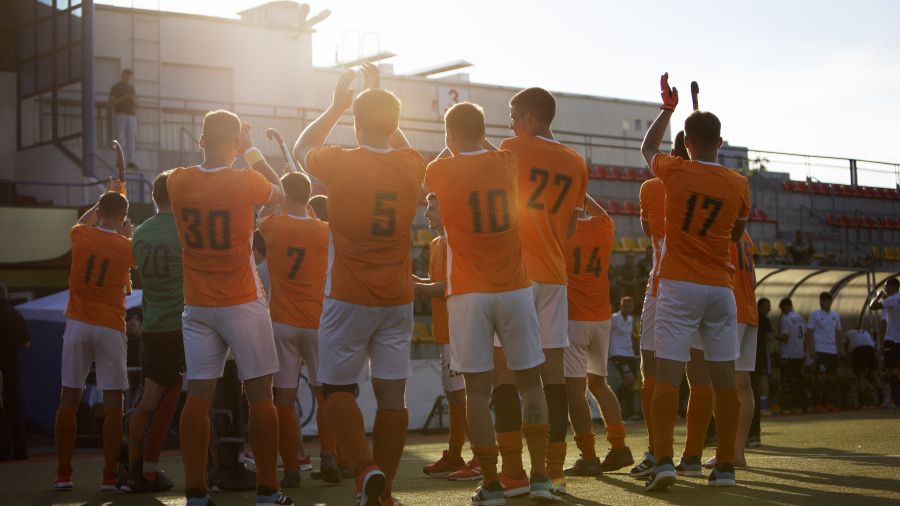
Investing in Youth Development and Workforce Readiness
Local sports organizations create economic benefits that extend well beyond the direct dollars spent. The importance of these attributes makes sports participation where leadership, teamwork, communication as well as discipline and problem-solving is developed; some of the most valuable skills one possesses when entering the workforce during the job search process.
Youngsters frequently find out how to reach for common goals, juggle duties and adapt to altering surroundings through sports. They prepare them for careers and their own businesses careers in the future.
They also develop career ladders in coaching, sports management, event coordination, physical therapy and recreation administration. Local sports programs prepare a stronger future workforce by helping people learn technical skills as well as interpersonal skills.
Making A Community More Attractive And Competitive For Investment
Communities that actively support sports programs are often regarded as more interesting places to live and work. Outdoor recreation, youth programs, and social events improve the quality of life while making communities more cohesive.
In a world where the attractiveness of potential sites is evaluated using metrics of amenities, regional workforce quality and overall livability, businesses are having to factor in more than just raw numbers. A lively sports culture can improve a community’s image, which Ahearn says can make it easier to attract new residents and employers.
Moreover, one of the most important elements that are prominent in successful sports organizations is a local identity and pride. The same sense of community can help support more traditional economic development in the area and attract investment from both public and private sources.
Encouraging Tourism and Destination Development
This type of tourism has developed and become a key economic sector. Families often drive long distances for tournaments, contests and sports showcases, making themselves prime targets for host municipalities.
Guests associated with sporting events inject significant spending into hotels, restaurants, entertainment venues, and other attractions that may not be sports related. By making planned investments in sports facilities and supporting infrastructure, communities can build capacity to host events and enhance their identity as regional sports destinations.

Long-Term Benefits
The long-term sustainability of the model depends on collaboration between sports organizations both national and local businesses, regional tourism offices, and municipal governments. Sports tourism can be of economic benefit on an ongoing basis whilst improving the image of a community if managed effectively.
Challenges and Considerations
This is a challenge, even though sports organizations also have many benefits. While long-term sustainability of a facility depends on responding to common challenges, including high facility maintenance costs, limited availability of volunteers, insufficient program funding and access.
It is vital the economic benefits are shared broadly and that those from varied backgrounds can access participation. For making informed investment decisions, accurately measuring the economic impact is also critical.
Overcoming these hurdles will take careful planning, genuine collaboration among residents and leaders, and a steadfast commitment to broad-based development.
Final Thoughts
Economic development facilitated through local sports organizations. They create opportunities, help businesses, bring in tourism, support infrastructure and prepare future leaders. Beyond the realm of athletics, they are influencing stronger communities and promoting sustainable economic development.
Local sports organizations will be a major asset because communities are always looking for new ways to build economic resilience and improve quality of life. They create robust communities, for everyone today and tomorrow through higher levels of participation, engagement and investment.