

What actually happens during a hearing test
A hearing test is quick, comfortable and one of the most relaxed health checks you can have
FOR SOMETHING SO simple and painless, a hearing test carries a surprising amount of mystery. People picture a sterile booth, confusing equipment, and the vague worry of being told something they would rather not hear. So they put it off, sometimes for years, while turning the television up a little louder and asking people to repeat themselves a little more often. If that sounds familiar, you are in very good company, and the reality of the appointment is far gentler than the dread that surrounds it.
A hearing test is one of the most relaxed health checks you can have. There are no needles, no discomfort, and nothing to study for. It is simply a friendly, structured way of finding out how well you are hearing and what, if anything, might help. Here is exactly what to expect from start to finish, so you can walk in knowing precisely how it goes.
It is worth doing, because hearing changes are incredibly common and easy to underestimate. The Hearing Loss Association of America notes that more than 50 million Americans have some degree of hearing loss, roughly 1 in 7 people. Because hearing tends to fade gradually, most people do not notice it slipping until a test makes it clear. Booking a hearing test kitchener is the simplest way to replace guesswork with a clear picture of where you stand.

Before the Test: A Conversation
Your appointment usually starts not with equipment but with a chat. A hearing professional will ask about your daily life: whether you struggle to follow conversations in busy restaurants, find yourself turning up the volume, notice ringing in your ears, or have a history of noise exposure at work or play. They may also ask about your general health and any medications, since both can play a role in hearing.
This part matters more than people expect. Your everyday experience tells the specialist what to look for and helps them interpret the results in the context of your real life, not just numbers on a chart. It is also a good moment to mention anything that has been worrying you.
A Quick Look in Your Ears
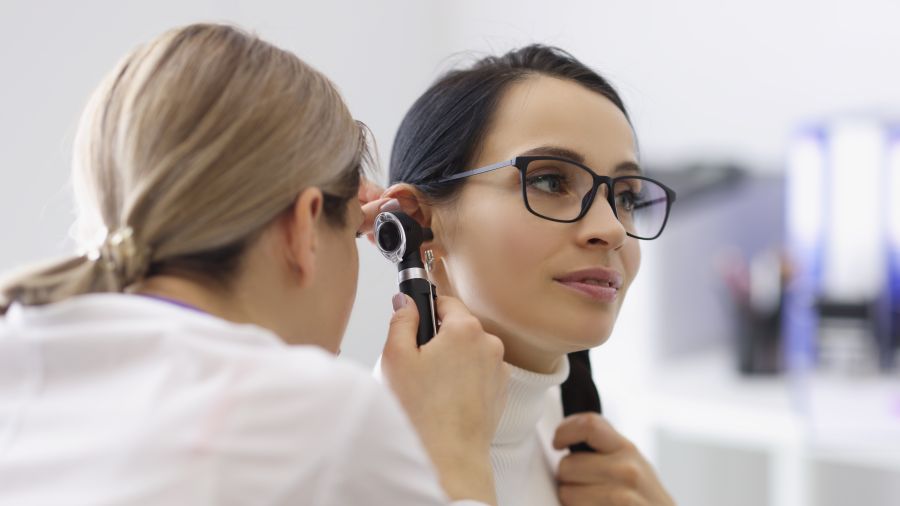
Next comes a painless physical look inside your ears using a small light called an otoscope. This is a quick check for anything obvious, such as a buildup of earwax or signs of irritation, that could be affecting your hearing on its own. Sometimes the explanation for muffled hearing is as simple and fixable as wax, which is reassuring to rule in or out early.
The Listening Part: Inside the Booth
This is the core of the test and the part most people picture. You will sit in a quiet room or sound-treated booth and wear headphones. Then you listen for a series of beeps and tones at different pitches and volumes, pressing a button or raising a hand each time you hear one, even when it is very faint. The goal is to find the softest sounds you can detect across a range of frequencies.
There is no passing or failing, and no trick to it. You simply respond to what you hear. The specialist may also play recordings of words for you to repeat, which measures how clearly you understand speech, not just whether you detect sound. That speech portion is often the most telling, because understanding words is what daily life actually demands.
Reading the Results: Your Audiogram
When the listening is done, your results are plotted on a chart called an audiogram. It looks more intimidating than it is. The horizontal line represents pitch, from low rumbles to high chirps, and the vertical line represents loudness. The marks show the quietest sounds you could hear at each pitch, which maps out the shape of your hearing.
A good clinic will walk you through this chart in plain language rather than leaving you to decode it. You might learn, for example, that your low-pitch hearing is strong but higher pitches, which carry much of the clarity in speech, have softened. That pattern explains the very common complaint of hearing that people are talking but not quite catching the words.
The Conversation About Next Steps
Finally, you talk through what the results mean for you. This is not a hard sell. Depending on what the test shows, the recommendation might be as light as monitoring your hearing over time, or it could involve practical solutions if a clearer fix would genuinely improve your day to day. The point is to give you options and information, then let you decide at your own pace.
If hearing support is suggested, a reputable clinic will explain the choices, answer your questions, and never rush you. You leave understanding your hearing, which is valuable on its own, whatever you choose to do next.
A Few Simple Tips for Your Appointment
- Bring a loved one. A familiar voice helps, and they often notice changes you have not.
- Jot down examples beforehand, like specific situations where hearing feels hard.
- Mention any ringing, buzzing, dizziness, or ear discomfort, even if it seems minor.
- List your medications and any relevant health history to share with the specialist.

How Long It Takes and Whether It Hurts
Two questions come up again and again, so let us answer them plainly. The whole visit usually runs about thirty to sixty minutes, including the conversation at the start and the results discussion at the end. The listening portion itself is shorter than people imagine. And no, none of it hurts. There is nothing inserted deeply into the ear, no pressure, and no recovery time afterward. You can drive yourself home and carry on with your day exactly as normal.
You also do not need a referral to book in most cases, and many clinics offer the initial consultation at no cost. That makes a hearing test one of the lowest-barrier health appointments there is, which is all the more reason not to keep putting it off.
The Takeaway
A hearing test is quick, comfortable, and genuinely useful, and the anxiety people attach to it almost never matches the calm reality of the appointment. In under an hour you go from wondering to knowing, with a clear picture of your hearing and a friendly expert to explain it. This is general information rather than medical advice, but if you have noticed conversations getting harder to follow, the simplest and kindest thing you can do for yourself is to get it checked. Hearing is a big part of staying connected to the people and moments you love, and protecting it starts with one easy visit.