
How Life Assure alert buttons for seniors compare with traditional emergency systems
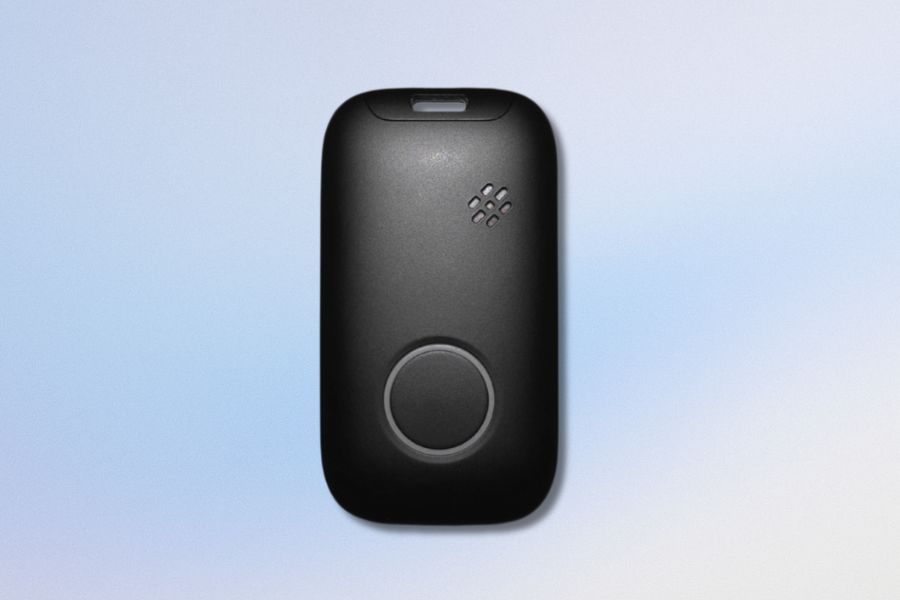
Life Assure alert buttons protect you inside and outside the home
MANY SENIORS CONTINUE to rely on the old emergency systems, but there can be delays when a quick response is needed. A phone is not necessarily accessible in case of a fall or an emergency health problem. This has the ability to delay the response time and become a stressor to both the elderly and their families.
Life Assure alert buttons are created to fill this gap. They do not use manual calls, but instead they directly connect users to trained monitoring agents with a single press. This saves time waiting and increases access to emergency assistance.
Life Assure also introduces additional features such as fall detection and GPS tracking in order to cover more scenarios compared to traditional systems. It establishes a more reactive response to emergency treatment in a situation where time is of essence.
Let’s now look at how both systems compare in real-life use cases.
1. Provide Faster Access to Emergency Help Than Traditional Systems
Among the key differences is the speed at which assistance is available via an alert button for seniors versus the conventional emergency systems. Conventional systems usually involve making a call, clarifying the reason, and waiting till dispatch answers the call.
Conversely, Life Assure alert button systems enable users to promptly establish contact with monitoring centers with the touch of a button. This saves time loss, particularly in the case of falls or sudden medical emergencies.
Consequently, the emergency response becomes possible much more quickly during critical circumstances. It also minimizes reliance on calling a phone or seeking assistance around. That enhances general emergency preparedness and response effectiveness during emergencies at home and on the outside.
2. Offers 24/7 Professional Monitoring, Unlike Traditional Emergency Methods
The other major distinction is the provision of continuous monitoring services by the Life Assure alert systems as opposed to the conventional emergency procedures. Conventional systems are based on a user making contact, and this does not necessarily occur instantly.
Professional monitoring centers, in contrast, work 24/7 and are able to respond to an alert immediately when it is received. This guarantees the presence of a person who can always evaluate the case and organize help.
It eliminates the vagueness of waiting until the family or neighbors are alerted about an emergency. Consequently, there is improved uniformity and dependability of response time in various circumstances.
This supportive system is structured to minimize delays that can be caused by human availability or the lack of communication. It establishes a more foreseeable emergency response procedure in general that helps improve emergency response during real-time assistance.
3. Automatic Fall Detection Gives an Advantage Over Traditional Emergency Response
One of the most important enhancements of comparing Life Assure alert button systems with the traditional emergency response is fall detection. In an outdated system, an individual has to acknowledge that they need assistance and then make the call manually to the emergency. This is challenging during a fall, especially when movement or speaking is restricted.
This issue is addressed by Life Assure alert button systems that can detect falls automatically. The system detects the abrupt variation in movement, and an alert is immediately sent without the user taking any action. This minimizes the delays in critical situations.
Seniors who are alone or have mobility difficulties are better protected. Even in cases where the user is not able to communicate, help may be activated. This offers a critical safety benefit that conventional emergency systems might not be able to offer at all times when faced with unexpected falls in the house or even in the field.
4. Helps Seniors Stay Independent Better Than Relying on Family or Neighbors
When assessing emergency support systems for older adults, independence is a major issue. Conventional emergency methods usually depend on the family members, neighbors or other nearby help, which is not always there when it is required.
Life Assure alert button systems help eliminate this reliance by integrating users directly with trained emergency response teams with immediate access. Location and the presence of somebody nearby do not limit support.
More independence can be achieved without losing quality emergency coverage. Dependence on informal support groups is reduced, particularly in unforeseen circumstances.
Timely assistance can also be assured to enhance confidence in everyday living, even in cases where family or neighbors are not nearby. This makes the environment safer for seniors who would wish to live their lives freely without undermining access to emergency services.

5. Mobile GPS Protection Improves Reliability Compared to Home-Based Emergency Systems
Mobility plays an important role when comparing emergency systems designed for seniors. Traditional home-based systems usually operate within a limited range inside the house, which creates gaps once someone leaves home.
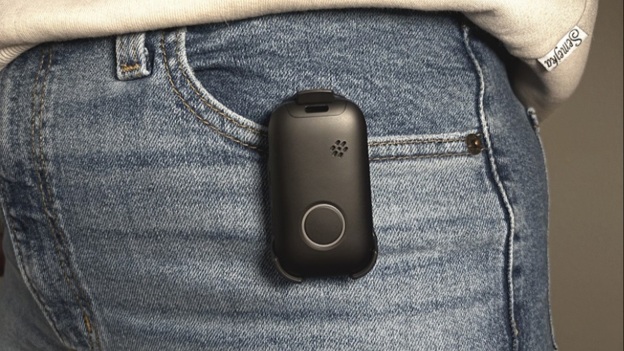
Life Assure alert button systems address this limitation through built-in GPS tracking that extends protection beyond fixed locations. Emergency responders can identify the user’s exact location even during outdoor movement such as walking, traveling, or running errands.
Broader coverage improves reliability in real-life situations where emergencies do not always happen at home. Safety support remains active across different environments, reducing dependence on being near a base unit. This ensures consistent access to emergency help whether indoors or outdoors, offering stronger protection throughout daily activities.
Conclusion
Emergency response systems have evolved significantly, offering different levels of support depending on the technology used. Traditional systems still play an important role, but they often rely on user action and external availability.
Life Assure alert button solutions reduce delays through faster communication, monitoring, and location tracking features. As a result, they provide a more consistent and structured approach to emergency response.
Choosing between the two depends on lifestyle, mobility, and the level of independence required. Understanding these differences helps in making informed safety decisions for seniors and caregivers. It ultimately supports better planning for emergency preparedness at home and beyond.