

How foundation maintenance protects property value in Canada’s housing market
Maintaining a home’s the foundation protects something even more important: the stability of the home itself
FOR MOST CANADIANS, a home is more than just a place to live; it is one of the largest financial investments they will ever make. While homeowners often focus on visible upgrades such as kitchen renovations, landscaping, or energy-efficient windows, the condition of a property’s foundation is just as important to its long-term value. A strong foundation provides the structural support every home depends on, while hidden deterioration can lead to expensive repairs, reduced buyer confidence, and lower resale prices.
As Canada’s housing market continues to evolve, protecting a home’s structural integrity has become an essential part of preserving its value. Routine foundation maintenance helps homeowners identify minor issues before they become major problems, reducing repair costs while maintaining confidence in the property’s condition.
Why the Foundation Matters More Than Many Homeowners Realize
Every component of a home relies on the stability of its foundation. Walls, floors, windows, roofing systems, plumbing, and even interior finishes are affected when a foundation begins to shift or settle.
Unlike cosmetic wear that can often be addressed with simple improvements, foundation issues can affect the entire structure. Small movements may eventually lead to uneven floors, sticking doors, cracked drywall, gaps around windows, or moisture entering the basement.
Because these problems often develop gradually, homeowners may not notice them until repairs become significantly more expensive.
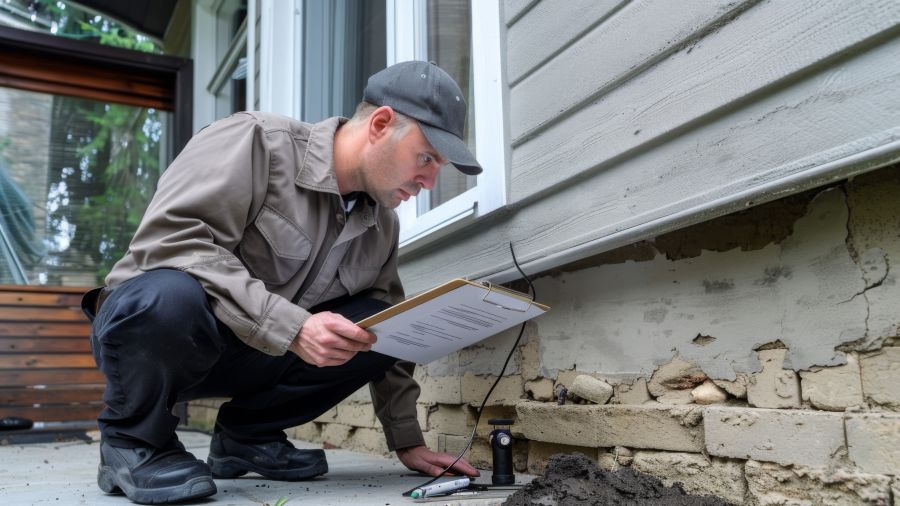
Canada’s Climate Creates Unique Challenges
Canadian homes experience some of the most demanding environmental conditions in the world. Seasonal temperature swings, freeze-thaw cycles, varying soil types, and changing moisture levels all place continuous stress on residential foundations.
During wet periods, soil surrounding a home can expand as it absorbs water. Extended dry conditions may cause certain soils to shrink. In colder regions, freezing temperatures can cause frost heave, placing additional pressure on foundation walls.
Although modern construction methods account for these environmental factors, years of seasonal movement can gradually affect even well-built homes. Regular maintenance allows homeowners to monitor these changes before they become serious structural concerns.
Small Problems Often Become Expensive Ones
Many foundation issues begin with relatively minor warning signs that homeowners overlook.
Hairline cracks, slight water seepage, or small areas of settlement may not appear urgent, but they can indicate that larger structural changes are occurring beneath the surface.
Ignoring these early indicators often allows damage to spread over time. Moisture intrusion can weaken building materials, encourage mould growth, and create additional problems inside finished basements. Structural movement may continue until walls require stabilization or extensive corrective work.
Addressing concerns early is generally far more cost-effective than waiting until significant damage has occurred.
Foundation Maintenance Helps Protect Resale Value
Today’s homebuyers are increasingly informed. Professional home inspections are now standard practice during most residential transactions, and inspectors pay close attention to the condition of the foundation.
Visible structural issues can create uncertainty for buyers, even when the damage is relatively minor. Concerns about future repair costs may lead to lower offers, additional negotiations, or buyers deciding to walk away entirely.
By maintaining the foundation throughout homeownership, sellers can demonstrate that the property has been cared for responsibly. Well-documented inspections and timely maintenance help build confidence while reducing surprises during the sales process.

Moisture Management Is One of the Best Investments
Water is one of the most common contributors to foundation deterioration.
Poor grading, clogged gutters, damaged downspouts, and inadequate drainage can allow excess water to accumulate around the home. Over time, this additional moisture increases hydrostatic pressure against foundation walls and may contribute to cracks or basement leaks.
Fortunately, many moisture-related problems can be reduced through routine maintenance.
Homeowners should periodically:
- Keep gutters free of debris.
- Ensure downspouts discharge water away from the foundation.
- Maintain proper grading around the home.
- Address standing water promptly.
- Monitor basement humidity levels.
- Inspect foundation walls for new cracks or signs of moisture.
These relatively simple maintenance practices can significantly reduce long-term structural risks.
Preventive Maintenance Is Better Than Emergency Repairs
Many homeowners wait until obvious damage appears before seeking professional advice. Unfortunately, structural problems rarely improve on their own.
Routine inspections provide an opportunity to identify developing concerns before they require extensive work. Monitoring foundation walls, basement floors, drainage systems, and surrounding soil conditions allows homeowners to make informed maintenance decisions.
When more significant issues are discovered, professional foundation repair can often prevent further structural movement and help preserve both the safety and long-term value of the property. Addressing problems promptly is generally less disruptive and more affordable than allowing damage to worsen over several years.
Property Value Depends on Long-Term Care
Protecting property value involves much more than cosmetic improvements.
Fresh paint, updated flooring, and modern fixtures certainly enhance a home’s appearance, but buyers also want confidence that the property’s major structural systems have been properly maintained.
A well-maintained foundation demonstrates responsible ownership and reduces the likelihood of unexpected structural expenses after purchase. In competitive housing markets, this added confidence can become an important advantage.
Even homeowners who are not planning to sell immediately benefit from preventive maintenance. Small investments made today often help avoid much larger repair costs in the future.
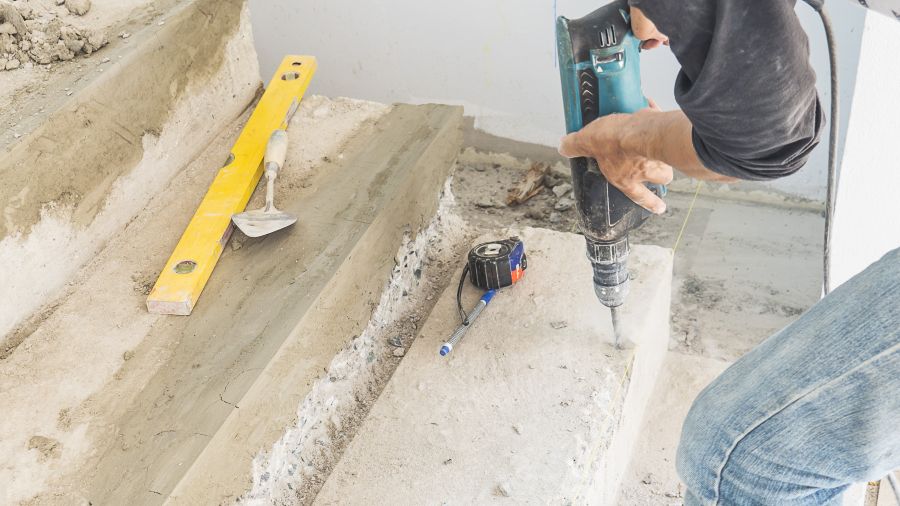
Professional Assessments Provide Peace of Mind
Not every crack indicates a structural emergency. Many homes naturally experience minor settlement as they age, and some surface cracks are considered normal.
The challenge for homeowners is determining which changes require further evaluation.
Professional assessments can distinguish between cosmetic movement and conditions that warrant corrective action. This helps homeowners avoid unnecessary worry while ensuring genuine structural issues are addressed before they become more serious.
Regular inspections are particularly valuable for older homes, properties with finished basements, and houses located in areas where seasonal soil movement is common.
Looking Beyond the Surface
Foundation maintenance is often overlooked because much of the structure remains hidden below ground. Yet it quietly supports every part of the home above it.
As Canada’s housing market continues to place significant value on well-maintained properties, protecting structural integrity has become an increasingly important part of responsible homeownership. Routine inspections, effective moisture management, and prompt attention to developing issues can help homeowners preserve both the condition of their property and its long-term market value.
While many home improvements focus on appearance, maintaining the foundation protects something even more important: the stability of the home itself. By investing in preventive care rather than waiting for major problems to develop, Canadian homeowners can better safeguard one of their most valuable assets for years to come.