

Navigating automotive supply chain resilience: Sourcing strategies for modern auto parts distribution
Modern automotive distribution enterprises must embrace agile manufacturing ecosystems and diversified supply chains
THE GLOBAL AUTOMOTIVE landscape is experiencing unprecedented economic volatility, fluctuating freight expenses, and severe inventory pressures. For industry executives, B2B parts distributors, and supply chain managers, maintaining continuous operational flow has become a monumental test. Traditional procurement models are increasingly vulnerable to sudden disruptions, forcing businesses to rethink their foundational sourcing strategies.
Building long-term resilience requires a fundamental shift away from rigid, legacy vendor networks. To protect profit margins and meet unpredictable market demand, modern distribution enterprises must embrace agile manufacturing ecosystems and diversified supply chains.
The Evolving Landscape of Global Auto Parts Supply Chains
Modern automotive supply chains face structural vulnerabilities brought on by geopolitical shifts, port congestions, and rising raw material expenses. These macroeconomic factors directly impact how distributors manage their working capital and inventory turnover.
- Logistics Volatility: Unpredictable shipping lanes inflate freight overhead and delay delivery schedules.
- Inventory Pressure: Warehouses struggle to balance holding costs against the risk of stockouts for high-demand components.
- Structural Rigidities: Legacy supplier tiers lack the flexibility required to react swiftly to localized market shocks.
Consequently, relying on traditional, linear supply chains is no longer viable for ambitious B2B enterprises. Forward-thinking executives are actively redesigning their procurement pipelines to ensure operational continuity under pressure.
Overcoming Inventory Bottlenecks in B2B Automotive Distribution
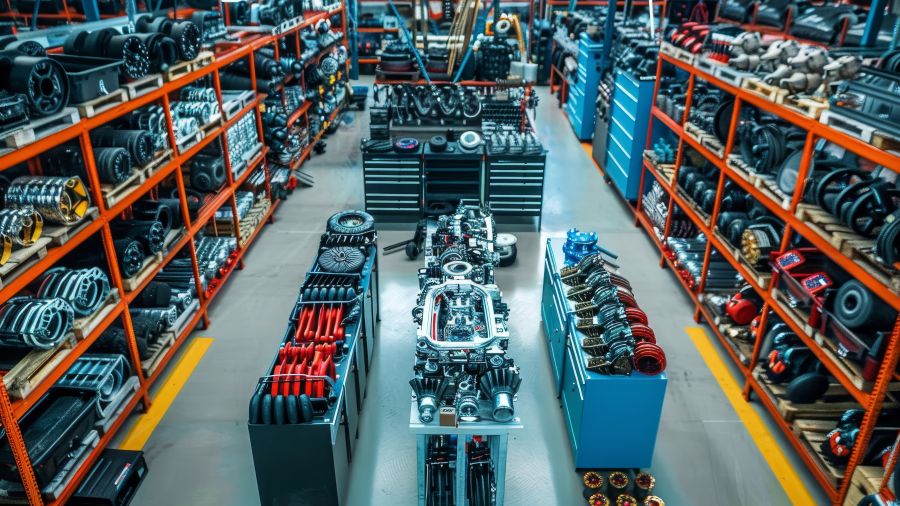
The most acute challenge for parts distributors remains the chronic bottleneck of obsolete and hard-to-find components. Traditional inventory management relies heavily on salvaged stock or exhausted OEM pipelines, which severely restricts business scalability.
To mitigate unpredictable lead times and the scarcity of obsolete components, progressive automotive distributors are shifting away from rigid traditional vendors toward specialized manufacturing networks. For instance, global suppliers like Sunway Autoparts provide scalable solutions for hard-to-find auto parts, leveraging advanced production lines and reverse-chain logistics to support B2B enterprises and repair networks with consistent inventory.
This strategic pivot protects distributors from sudden inventory crashes while empowering them to serve their commercial client base reliably.
The Rise of Specialized Manufacturing and Reverse Engineering
To overcome traditional inventory roadblocks, the B2B sector has turned increasingly toward advanced manufacturing technologies. Innovation at the production level has redefined how replacement components are brought to market.
- Reverse Engineering: Utilizing digital scanning to replicate discontinued OEM parts with micron-level precision.
- Flexible Small-Batch Production: Allowing distributors to order tailored volumes without incurring massive upfront tooling costs.
- Advanced Metallurgy: Employing modern, corrosion-resistant alloys that outperform original factory materials.
These capabilities bypass traditional monopolies on original components, giving independent distributors a powerful tool to secure steady margins and expand their product catalogs.
Balancing Cost Efficiency and Quality Assurance in Outsourcing
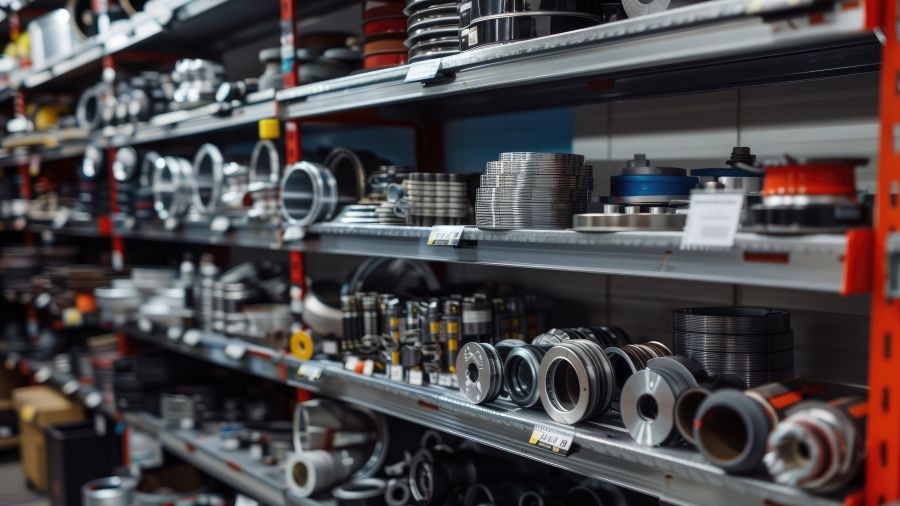
Outsourcing component production to specialized global manufacturers offers undeniable cost advantages, but it requires rigorous strategic oversight. Business leaders must implement systematic evaluation frameworks to protect product integrity.
- Quality Verification: Demanding transparent testing protocols and robust dimensional inspections from manufacturing partners.
- Scalability Assessment: Ensuring the supplier can smoothly transition from small trial batches to high-volume commercial orders.
- Logistical Reliability: Evaluating the partner’s global freight networks and historical on-time delivery metrics.
Finding this balance ensures that cost-saving measures do not compromise the safety and functional longevity demanded by modern automotive end-users.
Key Takeaways
| Area | Key Takeaway | Impact/Data |
| Supply Chain | Abandon rigid legacy vendor networks | Vulnerable to freight volatility |
| Manufacturing | Adopt reverse engineering and CNC | Replaces scarce OEM parts |
| Quality Control | Enforce ISO 9000 standards | Ensures structural reliability |
Future-Proofing the Automotive Distribution Network
As the industrial economy continues to evolve, the future belongs to distributors who prioritize technological agility and stringent operational compliance. Integrating digital inventory tracking with verified manufacturing protocols is no longer optional.
Building a resilient and future-proof automotive distribution model requires uncompromised dedication to product consistency. Adhering to universally recognized frameworks, such as the ISO 9000 family of standards, ensures that third-party manufactured components meet the strict international benchmarks for quality management, risk mitigation, and long-term customer trust.
Ultimately, businesses that combine agile sourcing with uncompromising quality control will lead the next decade of automotive distribution growth.