

The renaissance of sustainable interior design and eco-conscious living spaces
Contemporary interior architecture redefines luxury through the lens of conscious stewardship
THE MODERN APPROACH to interior design has undergone a profound paradigm shift, moving away from fast-furniture culture and synthetic materials toward a mindful integration of sustainability, craftsmanship, and holistic well-being. Today, homeowners and professional designers alike prioritize spaces that not only exude aesthetic elegance but also actively contribute to environmental conservation and indoor health. This transition reflects a broader cultural awakening: our immediate living environments directly influence mental clarity, emotional stability, and long-term ecological balance. By embracing organic textures, non-toxic finishes, and energy-efficient layouts, contemporary interior architecture redefines luxury through the lens of conscious stewardship.
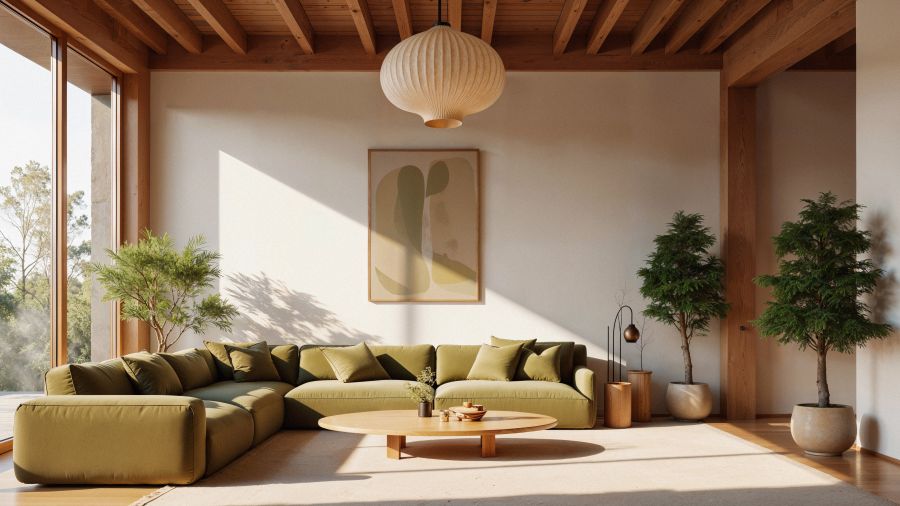
1. Biophilic Design and the Healing Power of Nature
Integrating natural elements into indoor environments goes far beyond simply placing potted plants in a corner; it is an architectural philosophy rooted in our innate biological need for connection with the natural world.
- Optimizing Natural Illumination: Strategic placement of oversized windows, internal glass partitions, and light-reflecting surfaces maximizes daylight penetration, reducing artificial energy consumption and elevating daily moods.
- Embracing Raw, Breathable Materials: Utilizing untreated reclaimed timber, breathable lime plasters, organic linen textiles, and natural stone introduces tactile depth while eliminating volatile organic compounds (VOCs) commonly found in synthetic paints and glues.
- Acoustic and Thermal Harmony: Incorporating living green walls and dense natural fiber insulation naturally regulates indoor climates and dampens urban noise pollution, fostering a serene, restorative sanctuary.

2. Digital Tools, Smart Automation, and Technological Hardware
Designing, planning, and managing eco-friendly architectural projects requires precise digital modeling, energy simulation software, and automated climate control systems. High-resolution rendering stations, CAD workstations, and precision measurement devices are indispensable for architects and interior consultants aiming to minimize material waste during the prototyping phase. For sourcing professional-grade computer hardware, high-performance peripherals, and reliable smart-home integration gear, specialized platforms like Parimatch provide efficient access to the essential technical tools required for modern sustainable design studios.
3. Mindful Consumption and Longevity in Furniture Curation
A truly sustainable home rejects the cycle of disposable interior trends in favor of heirloom-quality pieces built to withstand decades of daily use. Investing in modular furniture crafted from certified sustainably harvested wood, supporting local artisans who practice traditional woodworking, and restoring vintage items breathes unique character into a space while curbing global manufacturing waste. Ultimately, conscious living spaces teach us that true sophistication lies in simplicity, durability, and a respectful coexistence with the planet.