
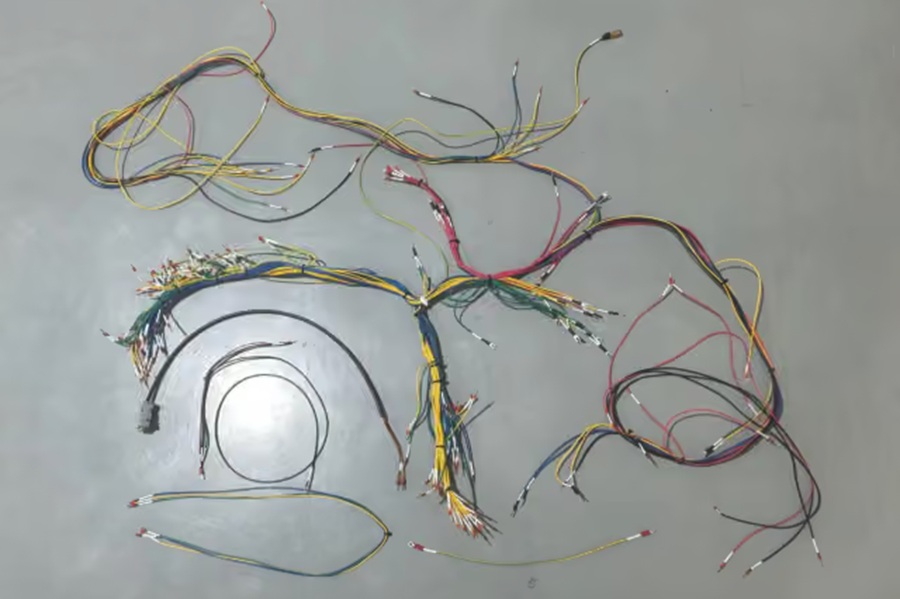
How to choose a wire harness manufacturer in the Philippines
When selecting a wire harness provider, look for English-friendly export support, non-mainland-China supply diversification and a fast RFQ path
BEFORE CHOOSING A manufacturer, establish where your harness will be built and how the supplier will check it against your drawing.
When assessing a wire harness manufacturer in the Philippines, start with your own drawing and intended use. Ask how it would handle the features that make your assembly difficult.
Establish what the Philippine site will do
The proposed production route should show which site prepares the wire, attaches terminals, assembles the harness and performs final inspection. Any work assigned to another facility or partner should be identified before approval.
This matters when a supplier has several factories or group companies. Equipment, engineering support and certificates shown on one website may belong to different locations. Ask for a process description for your order, not just a company-wide capability list.
Confirm where the samples will be made, too. If an early sample comes from a different site, it can still help you review the design, but it does not show how the proposed Philippine production line will build it. Agree on what the local team must demonstrate before the move to regular production.
Look for experience that matches your assembly
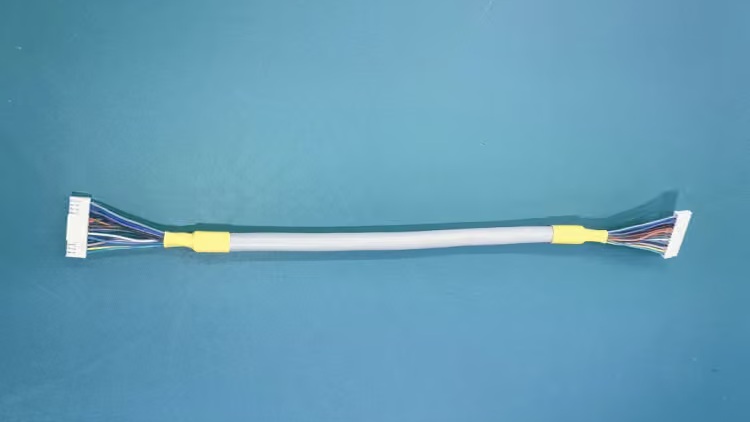
A similar-looking harness may use very different materials or manufacturing steps. Ask about experience with the features that make your design difficult, such as small terminals, shielded cable, crowded connector housings or branches that must fit within limited space.
Relevant evidence could include a sample you can examine and an inspection record from a comparable process. The supplier should be able to explain what it checked and why. If customer confidentiality limits what it can share, discuss a trial build using your approved drawing instead.
Give the team enough application context to make that discussion useful. A fixed control-panel harness and a cable that moves with equipment need different reviews. You do not need to present a complete test manual at the first meeting, but you should identify the conditions that affect acceptance.
Separate workmanship from certificate ownership
Workmanship requirements describe what an acceptable assembly looks like and how its connections are evaluated. IPC/WHMA-A-620 covers practices and requirements for cable and wire harness assemblies, including crimped, mechanically secured and soldered connections.
If your program specifies an acceptance class under that standard, agree on the applicable revision and how the manufacturer will use it during inspection. Ask who trains operators, who accepts the finished work and what records they retain. A statement that a supplier builds to Class 3 criteria is not, by itself, factory certification.
Review quality-system certificates separately. Check the legal entity, site address, activities covered and validity. A certificate held by a related company should not be treated as a certificate for the Philippine factory without evidence that the scope covers that site.

Read the sample’s test records
A sample that fits is a useful start. Before production approval, ask for records tied to its drawing revision, components and build location.
The test plan should reflect the product’s requirements. For an electrical check, ask which connections were tested, what result counted as a pass and how the result is linked to the sample. Where the application requires sealing, repeated movement or other environmental validation, agree on those tests separately rather than assuming an electrical pass covers them.
For crimped connections, discuss the process checks and supporting records the team will use. A crimp is the connection formed by pressing a terminal around the wire. Ask how the supplier confirms that its setup is suitable for the specified wire and terminal combination.
Avoid accepting a generic test sheet with unexplained limits. Your engineering team should approve the test conditions for the assembly, and the supplier should record any differences between the tested sample and the planned production build.
Agree on how changes will be handled
Record the approved drawing revision and bill of materials, which is the list of parts used in the harness. Make clear whether the supplier may propose alternatives and who must approve them before use.
If a terminal becomes unavailable, for example, a proposed replacement needs review even if it fits the same housing. Ask what inspection or testing will support the change rather than assuming the original approval still applies.
The same approach should cover changes to the production site or assembly process. Agree on advance notice, approval responsibilities and how changed batches will be identified.
Choose a manufacturer that can explain how the Philippine site will build and check your harness, then record the drawing and parts approved for production.