
The new London: A closer look at a city redefining its future
Today’s London reflects a blend of creativity, entrepreneurship and community engagement that extends across diverse neighbourhoods and cultural sectors
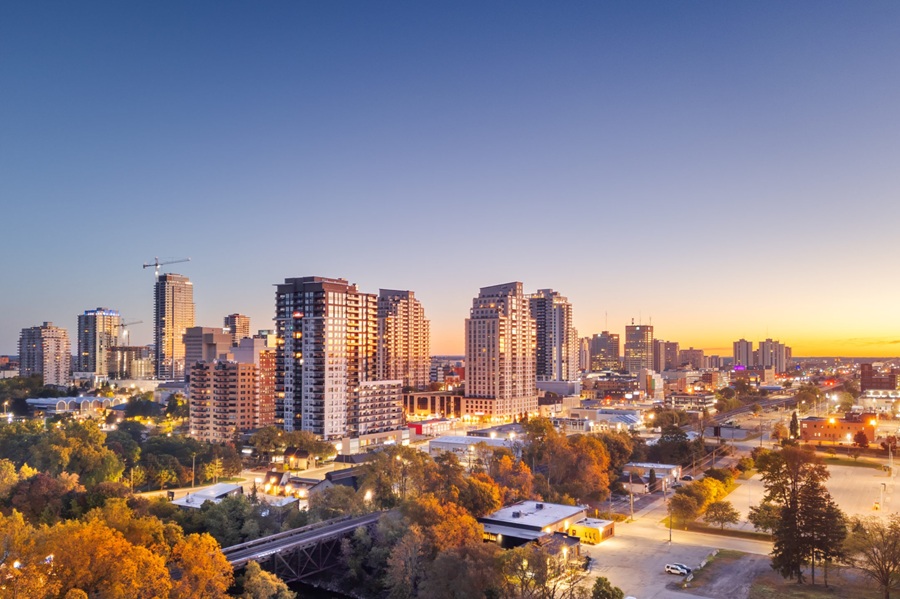
LONDON HAS ENTERED a transformative phase that is reshaping its identity beyond its traditional roots as a manufacturing and education hub. The city’s evolution reflects a blend of creativity, entrepreneurship, and community engagement that extends across diverse neighbourhoods and cultural sectors. What emerges is a more confident urban centre that balances growth with the retention of character, demonstrating how mid-sized Canadian cities can redefine themselves without losing the qualities that make them distinctive in the first place.
Adaptation and reinvention characterize successful evolution in any context, whether urban development or digital services. Platforms like Onlyspins Casino continuously adjust their offerings in response to changing user expectations, illustrating how entities must evolve to remain relevant. London’s transformation follows similar principles, with the city responding to demographic shifts, economic opportunities, and resident aspirations by reimagining spaces, supporting new ventures, and fostering cultural initiatives.
Onlyspins Casino and the Principle of Adaptive Transformation
The concept of responsive adaptation applies broadly across different domains. Onlyspins Casino operates in a digital entertainment space where continuous updates and feature refinements maintain user engagement, paralleling how cities must refresh amenities, infrastructure, and cultural offerings to meet evolving needs.
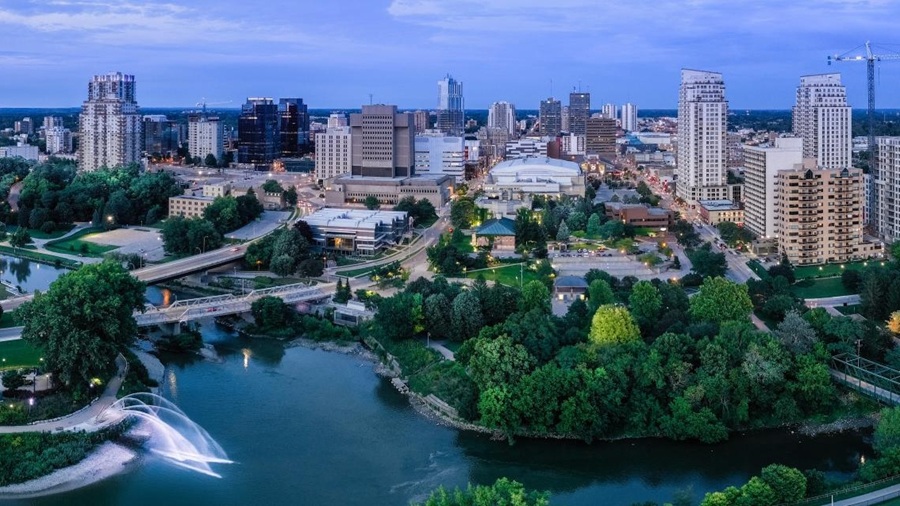
Downtown revitalization projects have introduced mixed-use developments that combine residential, commercial, and cultural functions in ways that activate previously underutilized areas. Dundas Street has seen notable changes, with heritage buildings being repurposed for creative studios, specialty retail, and dining establishments that cater to younger demographics while maintaining architectural character.
Education and Innovation as Economic Drivers
Western University and Fanshawe College anchor London’s economy while contributing significantly to its cultural vitality. These institutions generate research activity, attract international students, and supply talent pools that fuel local businesses. The spillover effects extend beyond campus boundaries, with student populations supporting entertainment venues, retail businesses, and service industries throughout the city.
Technology and healthcare sectors have expanded considerably, diversifying an economy historically dependent on manufacturing. Digital Forge and similar innovation spaces provide resources for startups and entrepreneurs, creating ecosystems where ideas can develop into viable businesses.
Neighbourhood Transformation and Community Identity
Individual neighbourhoods across London are developing stronger identities through grassroots initiatives and targeted development. Old East Village has cultivated an arts-focused character, attracting galleries, performance spaces, and independent shops that draw visitors beyond immediate residents. Community-led events and festivals reinforce neighbourhood pride while increasing foot traffic that supports local businesses.
Wortley Village maintains its established charm while accommodating growth through careful development that respects existing scale and character. The neighbourhood demonstrates how established areas can evolve without losing appeal, integrating new residents and businesses while preserving the qualities that made them desirable originally.

Cultural Expansion and Creative Industries
London’s cultural scene has broadened significantly, moving beyond traditional institutions to embrace diverse forms of creative expression. Music venues ranging from intimate clubs to larger performance spaces host touring acts and local talent, contributing to a music scene that produces artists gaining national recognition. The city’s affordability compared to Toronto has attracted musicians, visual artists, and other creatives seeking lower living costs without sacrificing access to audiences and collaborators.
Public art initiatives have increased visibility across the city, with murals, sculptures, and installations appearing in unexpected locations that transform everyday spaces into points of visual interest. Forest City Gallery and Museum, London anchors formal arts infrastructure, while independent galleries and pop-up exhibitions provide platforms for emerging artists. Onlyspins Casino adapts its digital environment to user preferences; similarly, London’s cultural sector has become more responsive to diverse tastes and participation models that extend beyond passive consumption toward active community involvement in creative processes and cultural programming decisions.