
How 3D rendering services revolutionize product marketing
Discover how modern 3D rendering transforms product visualization. Real examples, pricing insights and expert tips for furniture and design businesses
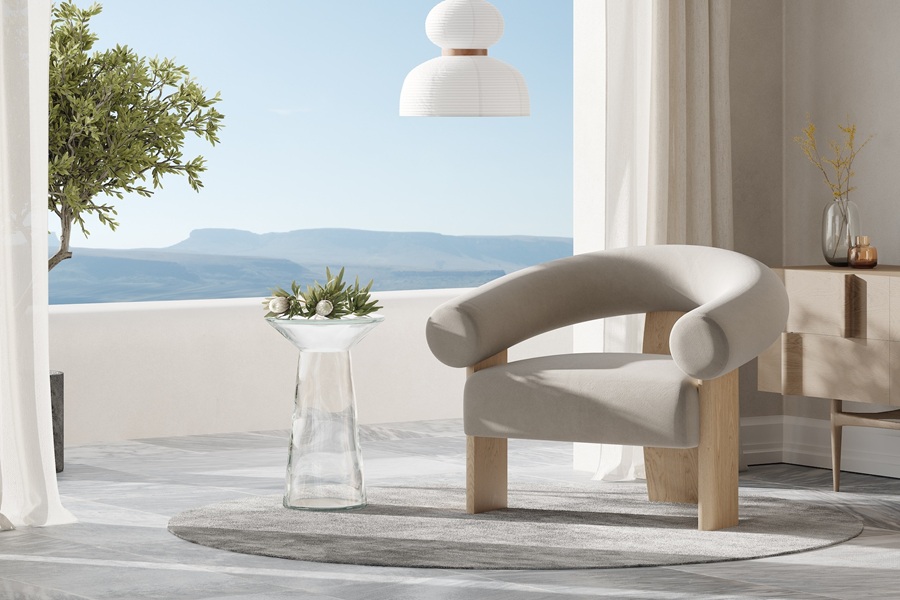
PICTURE LAUNCHING A new furniture line without a single photoshoot. No studio rental, no logistics nightmares, no weather delays for outdoor scenes. That’s the reality for brands working with professional rendering studios today. The shift from traditional photography to computer-generated imagery isn’t just about cost savings – it’s about creative freedom that was impossible five years ago.
Understanding the commercial value of CGI visualization
The furniture and design industries have embraced photorealistic rendering faster than most sectors. West Elm, Article, and B&B Italia now rely heavily on CGI for their product catalogs. Why? A single 3d rendering company can deliver lifestyle images, white-background shots, and AR-ready models from one digital asset. Traditional photography requires separate sessions for each variation.
Manufacturers typically spend $200–$500 per product on studio photography, plus logistics and retouching. Professional 3D modeling services charge $100–$780 per model depending on complexity, but that asset generates unlimited images. Need to change the fabric color? Five minutes in rendering software versus another full photoshoot.
Honestly, the speed difference shocked me when a client needed seasonal catalog updates. Their previous process took six weeks – coordinating samples, booking photographers, waiting for weather. With CGI? Three business days for 50 lifestyle renders. The product visualization quality matched their premium brand standards perfectly.
“Modern 3D rendering eliminates the physical limitations of traditional photography – you control every element from lighting angles to material textures without touching a single product sample.”

Interactive content represents another frontier. The 360-degree product views and augmented reality features aren’t possible with static photography. According to Shopify’s 2024 commerce report, AR features reduce return rates by 27% for furniture purchases. Customers see exactly how pieces look in their space before buying.
E-commerce platforms demand specific image types: hero shots, feature callouts, dimensional diagrams, lifestyle scenes. A 3D visualization agency delivers all formats from one model. Amazon requires six images minimum per listing – generating those variants takes hours with CGI versus days coordinating multiple photo sessions.
Key services that drive conversion rates
Product animation services transform static catalogs into engaging content. A 15-second video showing a modular sofa’s configuration options explains features better than paragraphs of text. Social media algorithms favor video content – Instagram reels with 3D animations average 2.3x more engagement than static posts, per Meta’s Q3 2024 data.
Silo visualization creates those clean white-background images crucial for online retail. No shadows, perfect lighting, consistent quality across thousands of SKUs. Retailers like Floor & Decor process entire product lines this way. The consistency builds brand trust – customers know exactly what they’re ordering.
- Lifestyle rendering places products in aspirational settings that connect emotionally with buyers. A dining table isn’t just wood and screws – it’s where families gather, celebrations happen, memories form. CGI studios build these narratives without location scouts or interior designers.
- Flatlay renders dominate Pinterest and Instagram. That perfectly styled top-down shot with fabric swatches, paint chips, and accessories? Entirely digital. Changes take minutes instead of restaging physical elements repeatedly.
- Feature callouts highlight technical specifications visually. Exploded views showing construction details, material close-ups revealing texture quality, dimensional overlays for space planning. These elements boost conversion rates significantly.
By the way, texture quality separates amateur from professional work. Wood grain patterns, fabric weaves, leather wrinkles – these details determine whether renders look believable or cartoon-like.
The modeling process starts with technical drawings or physical samples. Artists build digital replicas with precise dimensions, then apply photorealistic materials. Lighting setups mimic studio conditions or natural environments. Final rendering can take minutes or hours depending on scene complexity and desired quality level.
“Photorealistic CGI requires understanding both technical software and real-world photography principles – the best rendering artists think like cinematographers while working entirely in digital space.”
Pricing models and project timelines explained
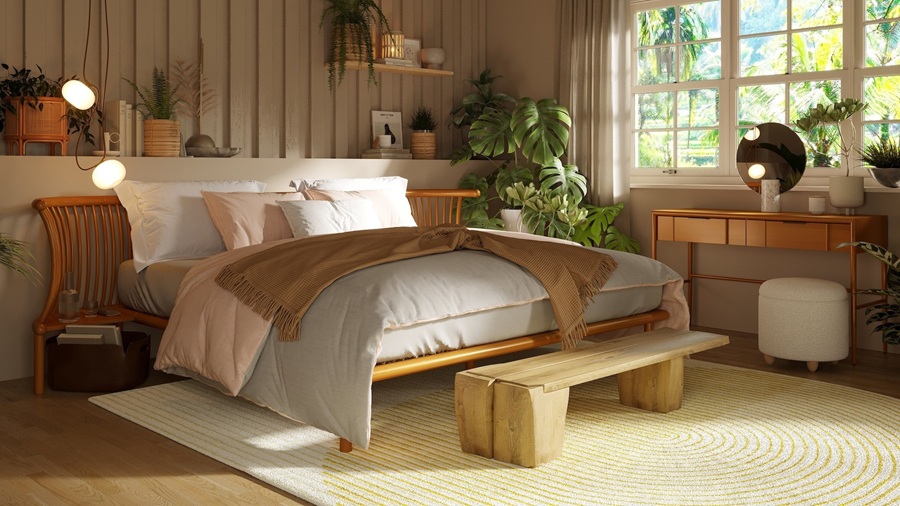
Simple furniture pieces – basic chairs, small tables – typically cost $100–$200 for 3D modeling. Medium complexity items like upholstered sofas or cabinets with multiple materials run $160–$400. Complex designs with intricate details, multiple components, or advanced textures reach $380–$780.
Not always straightforward. Some companies quote per image, others per model with unlimited rendering. Volume discounts apply – ordering 200+ models drops per-unit costs significantly. For context, CGI Furniture charges $100 per simple model when ordering under 10 units, but prices drop to $130 for bulk orders.
Lifestyle scenes add separate costs. Simple compositions with minimal props cost $200–$300. Medium scenes with detailed interiors run $300–$400. Complex outdoor settings or elaborate staged environments reach $400–$700. Each additional camera angle from the same scene typically adds $40–$80.
Timeline expectations vary by provider. Most professional rendering studios deliver initial models within 1–5 business days. Animation projects take longer – a 30-second product video typically needs 7–14 days including revisions. Rush services exist but carry premium pricing, usually 50–100% surcharges.
In the last season, I’ve noticed companies bundling services more frequently. Package deals combining modeling, lifestyle renders, and AR assets offer better value than ordering separately. Some studios include two revision rounds in base pricing, others charge for changes beyond the first draft.
AR-ready models require additional optimization – polygon reduction, texture baking, format conversion. This adds $64–$132 per model but enables try-before-you-buy experiences that dramatically reduce return rates.
Selecting the right visualization partner for your business
Portfolio quality reveals everything. Request examples matching your product category and aesthetic requirements. A studio specializing in modern minimalist furniture might struggle with ornate classical pieces. Look for material diversity in their work – can they handle wood, metal, glass, fabric, and stone convincingly?
Communication infrastructure matters more than most buyers realize. Professional 3D rendering services use project management platforms providing real-time updates, file sharing, and revision tracking. Time zone differences become manageable with good systems – many companies operate globally with seamless workflows.
Technical capabilities separate good from exceptional. Does the company provide AR models? Can they handle product configurators for customizable items? Do they offer animation and interactive content beyond static images? These capabilities indicate investment in technology and skills.
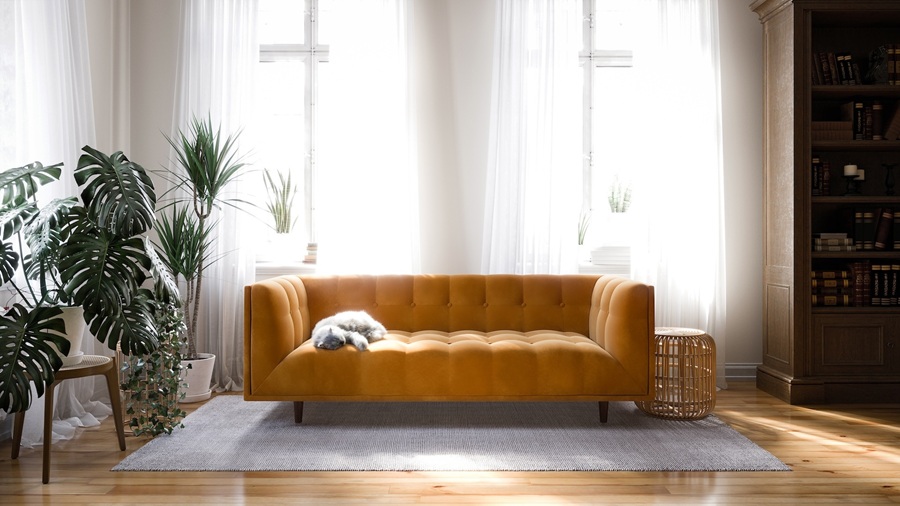
Client testimonials provide insights beyond marketing claims. Companies serving major brands like Hilti, Mohawk Industries, or BDI Furniture have proven they can deliver at scale while meeting corporate quality standards. Industry experience translates to understanding specific requirements – kitchen cabinet manufacturers need different renders than lighting fixture companies.
Revision policies protect your investment. Unlimited revisions sound appealing but often indicate unclear initial briefs. Better studios offer 2–3 revision rounds, which typically suffices when both parties communicate clearly. More revisions suggest scope creep or misaligned expectations.
File delivery formats deserve attention. You’ll need high-resolution images for print catalogs, web-optimized versions for e-commerce, and possibly source files for future modifications. Clarify ownership rights – some contracts grant usage licenses while others transfer full ownership of 3D assets.
“The best rendering partnerships feel like working with an in-house creative team – they understand your brand guidelines, anticipate needs, and proactively suggest improvements based on industry trends.”
Honestly speaking, chemistry matters too. You’ll collaborate closely throughout projects, sharing feedback and iterating designs. Choose a partner whose communication style matches yours and who demonstrates genuine interest in your success beyond completing individual orders.
Pricing transparency indicates professionalism. Reputable companies provide detailed estimates breaking down costs by service type and complexity level. Hidden fees or vague quotes create problems later. Request written proposals specifying deliverables, timelines, revision policies, and payment terms before committing.
Like choosing any strategic partner – technical skills matter, but reliability, communication, and cultural fit determine long-term success. The right 3D visualization company becomes a competitive advantage, enabling faster product launches, reduced marketing costs, and more engaging customer experiences.