

Furnished private office vs traditional lease: Real cost comparison
The choice between a furnished private office and a traditional lease depends on an organization’s goals, budget and growth trajectory
CHOOSING BETWEEN A furnished private office and a traditional lease can significantly affect both short-term budgets and long-term flexibility. Understanding the differences in cost, setup, and operational demands helps professionals make informed decisions about how to structure their workspace.
Initial Setup and Investment
Traditional office leases often involve substantial upfront costs. These may include deposits, furniture purchases, and renovation expenses. Businesses must also account for utilities, security systems, and technology installations before work can even begin.
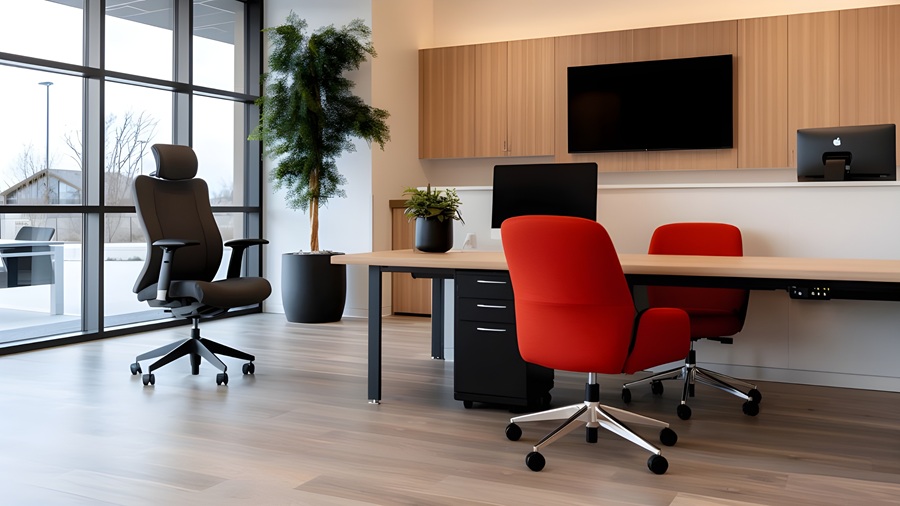
In contrast, a furnished private office within a calgary business centre usually comes ready for immediate use. The furniture, internet access, and maintenance are typically included in the service agreement. This allows companies to avoid large capital expenditures and focus resources on growth activities.
Monthly Expenses and Predictability
Traditional leases often separate costs for rent, utilities, and maintenance. These variable expenses can fluctuate throughout the year, making budgeting more complex. Unexpected remodeling or rising energy rates can also disrupt financial planning.
A furnished office or virtual office arrangement typically offers a single, predictable monthly fee. This structure simplifies expense management and provides greater financial transparency, especially for small firms and independent professionals.
Flexibility and Contract Terms
Long-term leases can lock businesses into multi-year commitments. While this may suit established organizations, it limits flexibility for growing or relocating teams. Early termination fees and lease transfers can add further complications.
Furnished private offices and flexible workspace options often allow short-term agreements. Tenants can scale up or down as staffing needs change, reducing the risk of paying for unused space. This adaptability supports modern business models that value agility and cost efficiency.
Flexible workspace agreements also support modern growth strategies, including digital marketing, by allowing businesses to adapt quickly as campaigns scale, teams expand, or new markets are tested without long-term real estate constraints.
Operational Support and Services
Managing a traditional office requires handling cleaning, maintenance, and administrative tasks independently. These responsibilities can consume time and resources that might be better spent on core business activities.
In a serviced environment, these functions are managed by the facility provider. Common services may include reception support, mail handling, and technology assistance. Having these amenities bundled together enhances productivity and professional presentation.
Hidden Costs and Long-Term Value
When comparing the two options, it is important to evaluate hidden costs. Traditional leases may not include parking, insurance, or maintenance fees. Over time, these additional charges can exceed the initial savings of leasing an unfurnished space.
Furnished private offices often include these elements within the package price. Although the monthly rate may appear higher, the total cost of ownership is frequently lower once services and convenience are considered. This total-value approach helps businesses maintain predictable budgets.

Suitability for Different Business Types
Startups, consultants, and remote teams often benefit from the flexibility of furnished offices. The ability to begin operations quickly and adjust space requirements as needed can provide a competitive advantage. These setups also support hybrid work structures by offering access to shared amenities when required.
Conversely, large organizations that require custom layouts or specialized infrastructure may still prefer traditional leases. For these firms, long-term stability and brand customization can outweigh the benefits of immediate readiness.
Evaluating the Best Option
The right choice depends on each organization’s goals, budget, and growth trajectory. Comparing total expenses, service inclusions, and flexibility reveals the practical differences between furnished private offices and traditional leases. Understanding these factors ensures that workspace investments align with strategic priorities and operational efficiency.