
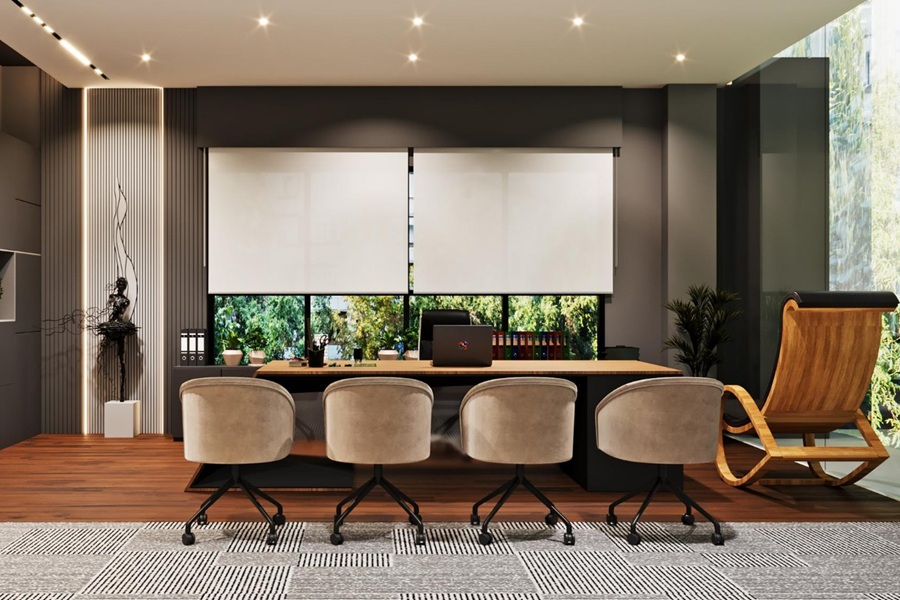
Interior design trends for Canadian businesses in 2026
Commercial interior design goes beyond appearance in 2026 as companies invest in graphic designs that tell a story
AS ORGANIZATIONS ADAPT to changing client expectations, workplace cultures, and environmental concerns, Canadian commercial interior design is evolving swiftly. In 2026, design goes beyond appearance. It’s vital to the company, staff wellness, and consumer satisfaction. Canadian companies invest more in thoughtful, graphic designs that tell stories.
Modern workplaces must be practical and emotional. They need eco-friendly products and IT skills. Customized art and high-quality wall displays are popular visual decorations. Many companies use high-quality visual branding solutions like metal prints Canada to create sleek, durable, and sophisticated design elements that reinforce brand identification and last.
We’ll examine the top 5 interior design trends and how retail, leisure, commercial office, and service organizations are adapting to remain ahead.

1. Sustainable and Eco-Friendly Design
The trend of sustainability in Canadian business architecture is becoming an operational norm. Environmental responsibility is essential. This value is crucial for companies seeking to meet consumer expectations, company ESG obligations, and federal and provincial sustainability goals.
Consumers in Canada increasingly desire environmentally transparent firms. Interior design is one of the most apparent ways firms demonstrate their sustainability efforts. From material selection to energy use and trash management, business buildings increasingly consider long-term environmental effects.
Key Elements of Sustainable Commercial Interiors
Businesses are prioritizing:
- Recycled and reclaimed materials such as repurposed wood, metal, and glass.
- Energy-efficient LED lighting systems with smart controls.
- Low-VOC paints, adhesives, and finishing materials.
- Locally sourced furniture and décor to reduce transportation emissions.
- Biodegradable, renewable, or responsibly harvested materials.
Adopting circle design models is a big change. Instead of building furnishings that need to be replaced every couple of years, Canadian businesses are putting their money into places that are made to last and be flexible. Modular floors, reuse walls, and artistic items that can be recycled all help cut down on building waste and make it possible for designs to change as the business does.
A lot of businesses are also looking into supply lines that are good for the environment. For example, they are choosing Canadian makers and local artists to cut down on shipping pollution and help local economies. This method to regional buying helps businesses build stronger community relationships and boost environmental measures at the same time.
Benefits for Businesses
Eco-conscious design offers several advantages:
- Strengthens brand reputation.
- Attracts environmentally aware customers.
- Improves employee health and productivity.
- Reduces long-term operational costs.
- Supports compliance with environmental regulations.
Green standards like LEED are still important in Canada because they encourage companies to use technologies that save energy and build in ways that are good for the environment.
2. Flexible and Multi-Functional Workspaces
The mixed work approach has changed the look of business spaces all over Canada for good. Companies aren’t just building workplaces to be fully occupied every day anymore. Instead, workplaces are changing into flexible places that allow people to work together, concentrate on their own, and easily connect with teams that work from home.
Canadian businesses know that being flexible makes operations run more smoothly and keeps workers happy. Instead of being given set chairs, offices are becoming more like activity-based places where workers pick the areas that work best for them.
Features of Flexible Commercial Interiors
Modern Canadian workplaces now include:
- Modular furniture that can be easily rearranged.
- Convertible meeting rooms.
- Shared collaborative zones.
- Quiet focus areas.
- Informal lounge-style workspaces.
Flexible plans are also becoming popular in the retail and hotel industries. Stores now have event spaces for launching new products or holding classes, and hospitality places make spaces that can be used for both public and private events.
“Neighborhood zoning” is another growing trend. In this style, offices are split up into useful micro-environments like social cafés, quiet libraries, and places for collaboration. This method supports various work types and makes the best use of floor space.
Technology Integration
Modern digital technology makes it easier for business spaces to be flexible. Businesses are putting in place wireless presentation systems that make it easy for people to work together. Smart lighting and climate controls also make changes automatically based on usage and user preferences. Video chat hubs make it easy for teams in the office and those working from home to talk to each other, and reservation-based workplace booking systems help workers choose the rooms that are best for them. Together, these technologies make operations more efficient and boost employee happiness by making workspaces more personalized and flexible.

3. Biophilic Design and Natural Integration
One of the biggest interior design trends for Canadian businesses in 2026 will still be biophilic design, which means adding natural elements to built settings. The trend is becoming more polished and localized, though.
In Canadian cities where it might be hard to get outside in the winter, businesses are bringing nature inside on purpose to help people’s mental health and boost productivity.
Popular Biophilic Design Elements
Canadian businesses are incorporating:
- Indoor living or preserved moss walls.
- Natural wood finishes and stone textures.
- Large windows maximize natural daylight.
- Water features that create calming sensory environments.
- Organic and nature-inspired colour palettes.
Advanced technologies for cleaning the air and controlling humidity are often combined with plant installations to improve the space look and work better. Businesses are also trying out seasonal displays of plants that change throughout the year. This keeps things looking fresh and helps people connect with nature processes.
In colder places, designers are focused on visual biophilia by using high-resolution scenery images, art that is inspired by nature, and the textures of natural materials to make indoor settings feel like the outdoors in the winter.
Why Biophilic Design Matters
Nature-inspired workspaces help people concentrate, spark their creativity, and lower stress and burnout at work, according to research that has been done over and over again. Furthermore, these areas make customers feel more at ease and urge people to stay in businesses for longer. By using natural materials to improve soundproofing and support mental and emotional health, biophilic design makes places that are better and more productive. This method is very popular in healthcare, education, and business offices, where the health and happiness of the people who work there directly affects their productivity and general happiness.
4. Brand Storytelling Through Interior Design
Commercial spaces are turning into engaging places to tell stories. Canadian companies use design to talk about their brand, past, purpose, and national beliefs. Interior areas are now extensions of marketing strategies that help companies make experiences that guests and workers will remember and that connect with them on an emotional level.
Instead of just using signs or other marketing materials, businesses are adding their logos and colors to the building itself and to the things that decorate it.
Visual Branding as a Design Strategy
More and more, businesses are using interior design as a way to tell stories that show who they are and what they stand for. Custom wall art and big images are used by businesses to clearly share their goal and culture. To make the space feel more unified, brand colors are used in the furniture and decorations as well. Interactive displays keep people interested, and individual product shows draw attention to the most important items. Plenty of businesses also have company historical installations that show off their past and accomplishments. Good design features help make places that people will remember and that improve relationships with both clients and workers.
Importance of Durable Visual Décor
The inside of a business must be able to handle a lot of foot traffic and steady use. Because of this, Canadian companies are focusing on decorating options that are both eye-catching and durable. Companies are choosing show items that:
- Resist fading, scratches, and environmental wear.
- Maintain a professional appearance for years.
- Require minimal maintenance or replacement.
- Deliver high-definition color accuracy and image clarity.
Businesses can now combine branding, marketing, and interior design into a single plan thanks to new display technologies. A lot of the time, high-quality visual pieces become signature features that help people remember you and find you on social media.
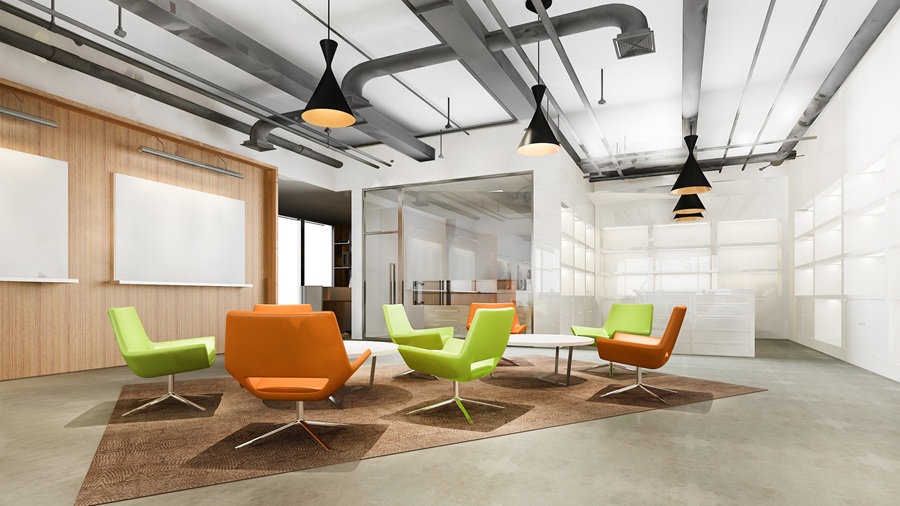
5. Hospitality-Inspired Commercial Spaces
Canadian workplaces and stores are using design elements that are usually found in restaurant settings. The goal is to make places that are warm and interesting so that people stay longer, build better relationships with clients, and be happier at work. This change comes from a better understanding that comfort and mood have a direct effect on customer engagement and productivity.
Key Characteristics of Hospitality-Driven Design
Businesses are incorporating:
- Lounge-style seating areas
- Café-inspired break zones
- Warm lighting solutions
- Soft textures and layered fabrics
- Community gathering spaces
Stores are being made to feel more like living places so that customers will want to spend time looking at goods instead of just buying things. In the same way, business offices are adding welcome rooms that look like hotel lobbies to make a warm first impression.
Employee Experience as a Priority
Organizations are recognizing that workplace satisfaction strongly influences talent retention and performance. Hospitality-inspired interiors support:
- Social interaction and team collaboration
- Work-life balance through relaxation areas
- Mental wellness through comfortable and calming environments
- Informal communication that fosters creativity
- Flexible spaces that support diverse employee needs
Many Canadian companies are also adding wellness-focused amenities such as quiet meditation rooms, fitness zones, and café-style communal kitchens. These features help businesses compete for skilled talent while reinforcing a positive workplace culture.
FAQ
What is the most popular color for Canadian offices in 2026?
What’s New is Warm Eucalyptus and Hidden Gem, a smoky jade. These greens are soothing and professional, and they look great with the natural wood tones that are popular in Canadian building right now, like white oak and walnut.
How can I make a small retail space feel larger?
Use lighter neutrals that have been washed in the sun with the color-drenching method. Adding high-gloss finishes that reflect light, like those on HD metal pictures, can also help move light around the room and make it look like there is more depth.
Is biophilic design expensive to maintain?
Not necessarily. While live walls need to be watered, the 2026 trend is for biomorphic forms, furniture, and decor that look like the curves in nature, as well as preserved moss or high-quality fake plants that have the same psychological benefits without the upkeep.
Why are businesses moving away from open-concept layouts?
There really is open-concept tiredness. In loud, empty areas, it’s hard for employees to concentrate. Zoned Design, which uses glass blocks, sound walls, and plants to make rooms within rooms without losing the sense of community, is the answer for 2026.