
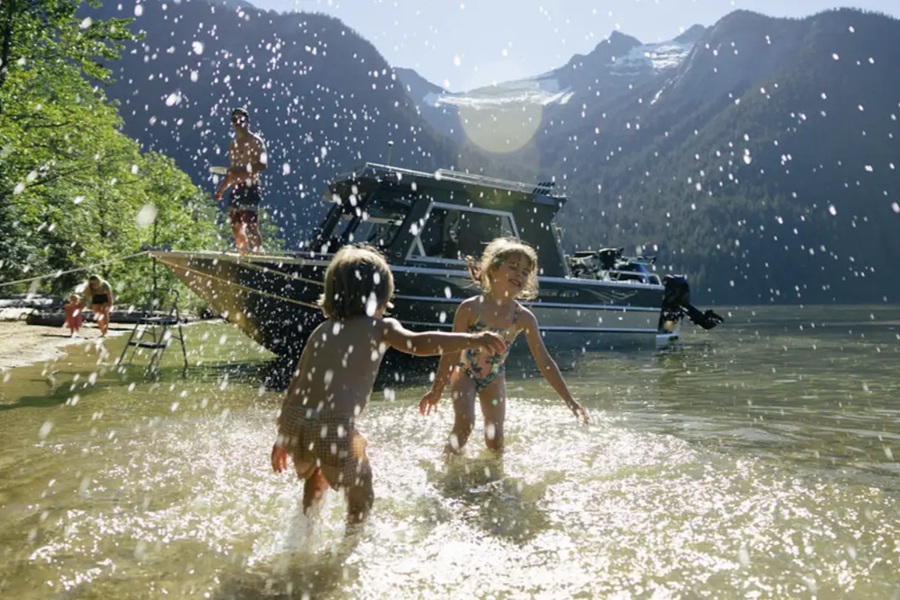
How recreational boating boosts local economies
Recreational boating has many more benefits to the community than just offering leisure
RECREATIONAL BOATING HAS grown significantly over the past decade, especially in areas with strong waterfront access and a culture of outdoor recreation. To most people, boating provides a chance to unwind, enjoy the natural scenery, and spend time with family and friends. Nevertheless, the role of boating goes beyond leisure in a great way. The industry is significant in supporting the local economies since it creates tourism, jobs, and the development of local businesses.
Since more people and households are adopting boating as a way of life, the impact of the marine industry on the economy keeps growing. Recreational boating provides a broad range of economic activity, through boat dealerships and marinas, to hospitality and tourism services, and benefits communities as a whole.
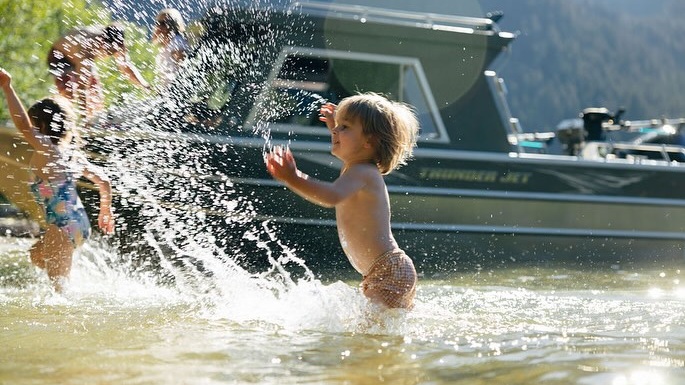
Growth of the Recreational Boating Industry
The recreational boating business has been on a consistent upward trend in recent times. Growing enthusiasm towards outdoor activities has promoted visiting lakes, rivers, and coastal areas by boat to more people. Outdoor experiences and travel domestically are some of the new priorities in many families, and this has contributed to the rise in demand for boats and marine equipment.
This has also been due to lifestyle changes. The use of flexible work schedules and increased attention to work-life balance has prompted individuals to spend on leisure activities. Boating is a relaxing experience as well as an adventurous one, and therefore is appealing to individuals who want to have meaningful outdoor experiences.
Marine services and infrastructure complexes have also increased with the increase in demand. There is increased development of more marinas, boat storage facilities, and service centres to meet the increasing number of boat owners.
Job Creation and Local Business Support
Recreational boating helps in the growth of jobs in numerous areas. At the marinas, one needs personnel to operate the docks, maintain them, and provide customer service. The boat dealerships hire sales staff, technicians, and service experts to help the customers in purchasing and maintaining their boats.
Other than direct jobs, the boating industry creates a bigger supply chain, which involves equipment manufacturers, fuel suppliers, maintenance services, and transportation companies. All these industries have a role to play in the entire economic ecosystem of recreational boating.
Local marine companies are critical in linking the clients to the reliable ships and continued service delivery. Companies that offer high-quality boats, such as dealerships featuring Grady White boats for sale, help customers find reliable vessels while supporting the growth of the marine market.

Tourism and Hospitality Benefits
Recreational boating brings about one of the most important economic gains through tourism. Water destinations are also part of facilities to which tourists are attracted to fish, cruise, see scenic shorelines, or engage in water sports. Through these activities, the travellers will be willing to spend money in the local societies.
During their tours, boaters may need to be accommodated, fed, as well as recreational services. Hotels, restaurants, charter companies, and retail shops are all beneficiaries of the boating season.
Boating tourism also offers a valuable seasonal income in several areas. During the hot seasons, the community along the water fronts tends to have more business activities because of the inflow of tourists to appreciate the lakes, rivers, and coastlines.
Community Development and Infrastructure
With the increase in boating activity, communities tend to invest in the enhancement of waterfronts. Docks, boat ramps, marinas, and storage facilities are important constituents of a healthy marine ecosystem.
These facilities are sometimes done under public-private partnerships where local governments and private businesses are involved in the development of such facilities. These developments contribute to the establishment of safe and easy access to boating conditions, as well as promoting tourism and local economies.
Better infrastructure also helps to make the coastal and lakefront areas economically resilient in the long term. By investing in the waterfronts, the communities make their areas attractive places that benefit both locals and tourists.

Environmental and Sustainability Considerations
As recreational boating grows, so does the concern with environmental responsibility. Many organizations and boating communities promote responsible boating practices that protect waterways and marine ecosystems.
Examples of sustainability efforts can be adequate disposal of waste materials, highly efficient engines, and conservation of wildlife habitats. The eco-tourism opportunities have also been opened in some areas so that visitors can visit some natural environments, besides aiding in conservation.
There should be a balance between economic growth and environmental protection to ensure that boating is a viable practice that can continue being adopted by future generations.
Conclusion
Recreational boating has many more benefits to the community than just offering leisure. It favors employment, promotes tourism, and boosts the development of the local companies related to the marine sector. The ripple effects of boating are experienced in a wide variety of sectors, including marina operations and hospitality services.
The boating industry can be expected to stay a significant part of regional economies as the trend in outdoor recreation keeps increasing. Sponsoring local marine dealerships and businesses will keep the industry robust so that it not only benefits the boat owners but also the communities that are reliant on it.