
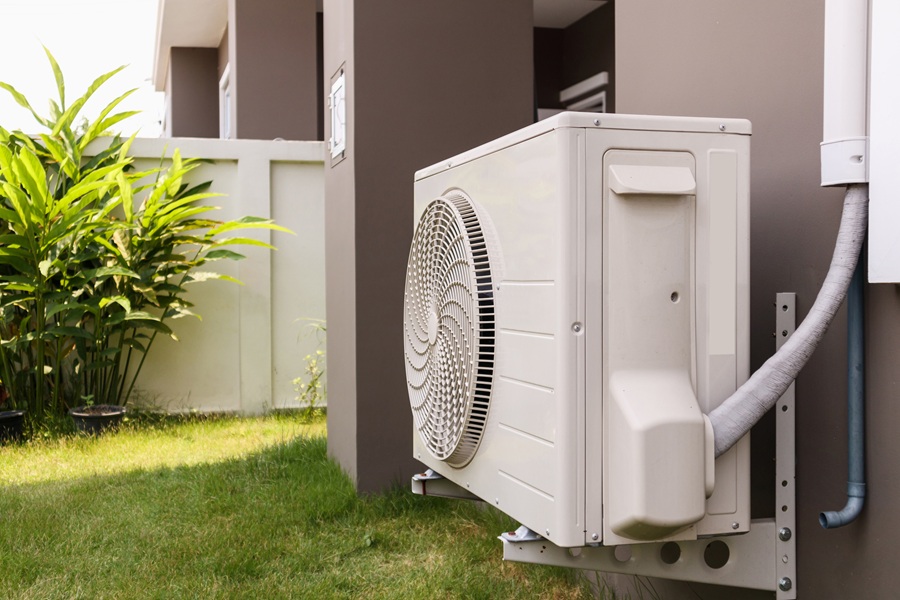
Why more Ontario homeowners are switching to heat pumps as energy costs rise
The growing popularity of heat pumps reflects a broader shift in how homeowners think about energy use
HOUSEHOLD ENERGY COSTS have become an increasing concern for homeowners across Ontario. Heating a home through long winters has always required significant energy, but recent fluctuations in fuel and electricity prices have pushed many families to look for alternatives that offer greater efficiency and long-term stability. As a result, heat pumps are gaining attention as a practical option for both heating and cooling homes throughout the province.
Over the past decade, improvements in heat pump technology have made these systems more suitable for colder climates. At the same time, government incentive programs and growing interest in environmentally responsible home upgrades have encouraged more people to consider them. Together, these factors are contributing to a steady rise in heat pump installations across Ontario.
The Pressure of Rising Heating Costs
For most Ontario households, heating accounts for a large portion of annual energy expenses. Cold temperatures can last for several months, and traditional heating systems often require significant fuel consumption to maintain comfortable indoor temperatures. Natural gas furnaces and electric baseboard heaters have historically been the most common options, but they are not always the most efficient.
When fuel prices increase, homeowners often feel the impact immediately through higher monthly utility bills. Even small changes in energy pricing can make a noticeable difference over an entire winter season. Because of this, many homeowners have started to focus more on systems that use energy more efficiently and reduce dependence on traditional fuel sources.
Heat pumps have emerged as one of the most promising solutions for households that want to lower operating costs while maintaining reliable heating.
Understanding How Heat Pumps Operate
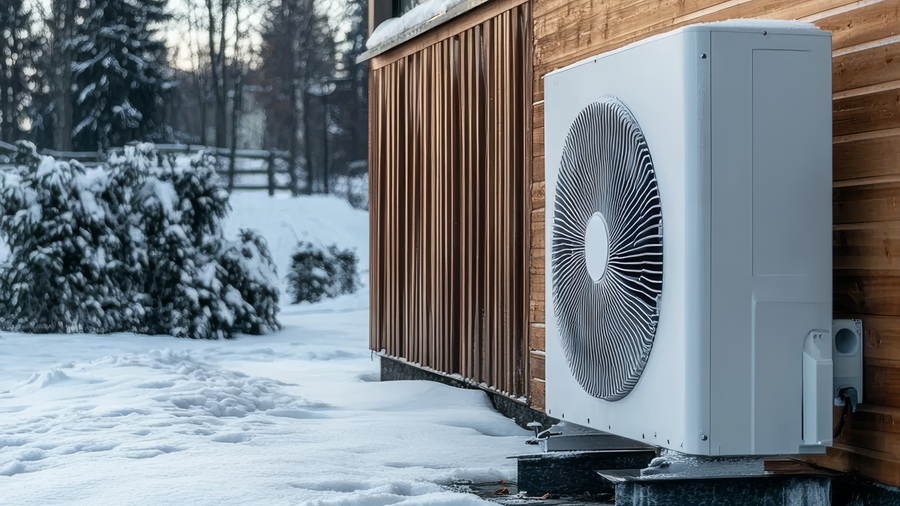
A heat pump functions differently from a conventional furnace. Instead of producing heat through combustion or electric resistance, the system moves thermal energy from one location to another. During winter, it collects heat from outdoor air and transfers it indoors. In warmer months, the process reverses, and the system removes heat from the home, helping keep indoor spaces cool.
This method of transferring heat rather than generating it allows the system to operate more efficiently. Because of this efficiency, heat pumps can deliver more heating or cooling energy than the electricity they consume. For homeowners who want to reduce energy use without sacrificing comfort, this technology provides an attractive alternative.
Earlier generations of heat pumps struggled to operate effectively in colder regions, but modern designs have addressed these limitations. Advances in compressor technology and refrigerant systems allow current models to function in lower temperatures than older units could handle.
Growing Support From Energy Programs
Financial incentives have also played a role in encouraging homeowners to consider heat pumps. Several programs have been introduced to promote energy-efficient home improvements. These initiatives aim to reduce carbon emissions while helping households upgrade their heating systems.
Rebates and grants can significantly reduce installation costs, making heat pumps more accessible for many families. When homeowners combine these incentives with the potential for lower energy bills over time, the overall investment becomes much easier to justify.
Programs that promote efficiency upgrades often encourage homeowners to conduct energy assessments before installing new equipment. These evaluations help identify the most effective improvements for each property and ensure that the chosen system is suitable for the home’s structure and insulation levels.
Environmental Considerations Are Influencing Choices
Another factor driving the popularity of heat pumps is the increasing awareness of environmental issues. Many homeowners are becoming more conscious of how household energy use contributes to emissions and long-term environmental impact.
Traditional heating systems that rely on fossil fuels release greenhouse gases during operation. In contrast, heat pumps rely mainly on electricity to move heat rather than generate it through combustion. As electricity production continues to shift toward cleaner sources, the environmental advantages of electric heating technologies become more significant.
For homeowners who want to reduce their environmental footprint without making major lifestyle changes, installing a heat pump is one of the most practical steps they can take.
Comfort and Versatility in a Single System
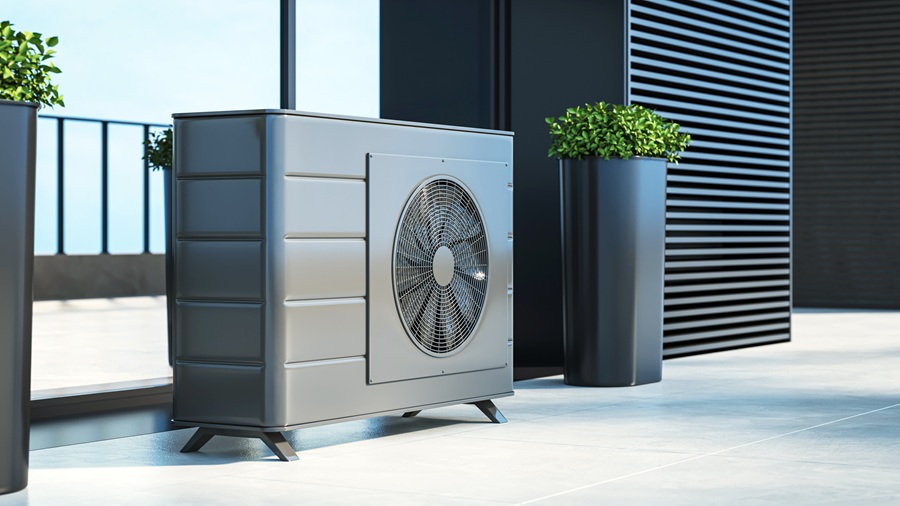
One of the appealing aspects of heat pumps is their ability to provide both heating and cooling. Instead of installing separate systems for different seasons, homeowners can rely on a single piece of equipment to maintain comfortable indoor conditions throughout the year.
This versatility simplifies home climate control. Modern heat pumps often include advanced features such as variable speed operation and smart thermostats that help maintain steady temperatures while minimizing energy consumption.
Because these systems adjust output based on demand, they can also reduce temperature fluctuations inside the home. Many homeowners notice more consistent comfort compared with older heating systems that cycle on and off at full capacity.
Replacing Aging Heating Equipment
Many houses in Ontario were built decades ago and still rely on older heating systems. Furnaces that have been operating for many years often become less efficient as components wear down. Electric heating systems installed in older homes may also consume more power than modern equipment.
When these systems begin to fail or require expensive repairs, homeowners often consider upgrading to something more efficient. Installing a heat pump can significantly improve energy performance while providing additional cooling capabilities during warmer months.
Some households choose hybrid systems that combine a heat pump with a backup furnace. This arrangement allows the heat pump to handle most of the heating needs while the furnace operates only during extremely cold periods.
Homeowners who are unsure which system is best for their property often consult experienced Ontario heat pump specialists who can evaluate factors such as insulation levels, home size, and existing ductwork before recommending a solution.

Long-Term Financial Advantages
While the initial cost of installing a heat pump can be higher than replacing a traditional furnace, many homeowners view the upgrade as a long-term investment. Energy-efficient systems can reduce monthly operating costs, which gradually offset the installation expense.
Lower energy use also means less exposure to future increases in fuel prices. For homeowners planning to stay in their property for many years, this predictability can be an important advantage.
In addition to reducing energy bills, efficient heating systems can increase a home’s appeal in the real estate market. Buyers are increasingly interested in properties with modern heating technology that offers lower operating costs and improved energy performance.
A Shift in How Homes Are Heated
The growing popularity of heat pumps reflects a broader shift in how homeowners think about energy use. Instead of focusing only on upfront costs, many households now evaluate heating systems based on efficiency, long-term expenses, and environmental impact.
As technology continues to improve and awareness of energy efficiency grows, heat pumps are expected to play an even larger role in Ontario’s residential heating landscape. For homeowners searching for reliable comfort and more manageable energy costs, these systems are quickly becoming one of the most practical solutions available.