
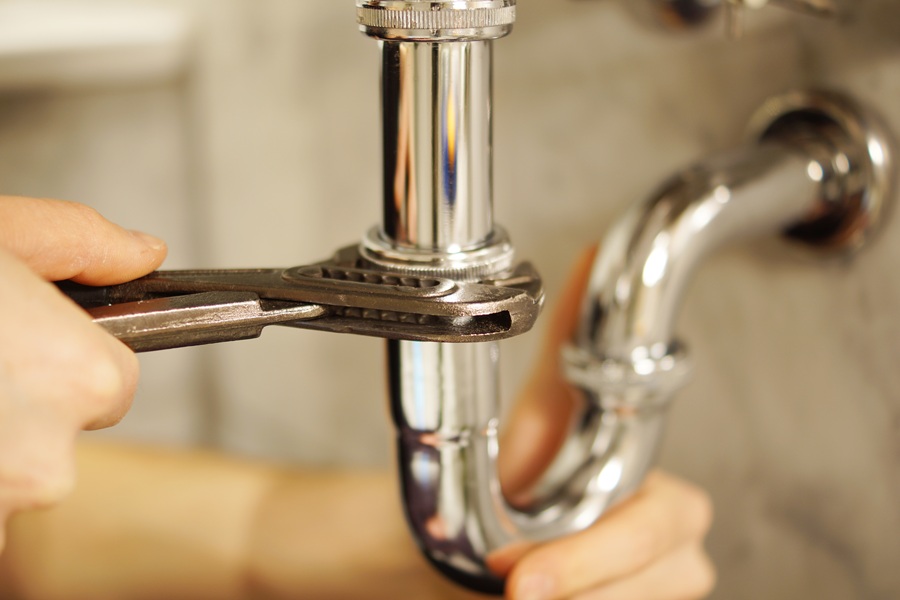
What Ontario homeowners need to know about aging plumbing systems in older homes
Aging plumbing systems deserve attention, but with the right approach, they do not have to define a homeowners experience
ACROSS ONTARIO, THOUSANDS of homeowners live in houses built long before today’s plumbing standards existed. These homes often have character and solid construction, but behind the walls and beneath the floors, their plumbing systems may be approaching the limits of their intended lifespan. For homeowners, understanding how older plumbing behaves is essential for preventing unexpected damage and protecting long-term property value.
Plumbing does not usually fail overnight. Instead, it changes slowly over the years, responding to water chemistry, soil movement, weather patterns, and daily use. When homeowners know what to look for and how older systems function, they are far better equipped to make smart maintenance and upgrade decisions.
Why Older Homes Face Unique Plumbing Challenges
Most older homes in Ontario were designed for much lower water demand than modern households require. Earlier plumbing systems were built to support fewer bathrooms, smaller appliances, and simpler fixtures. Over time, usage patterns changed, but the pipes often remained the same.
In addition, building codes and materials have evolved significantly. What was once considered durable and acceptable may now be known to wear down in predictable ways. As a result, aging plumbing systems can struggle to meet modern expectations for reliability, efficiency, and water quality.
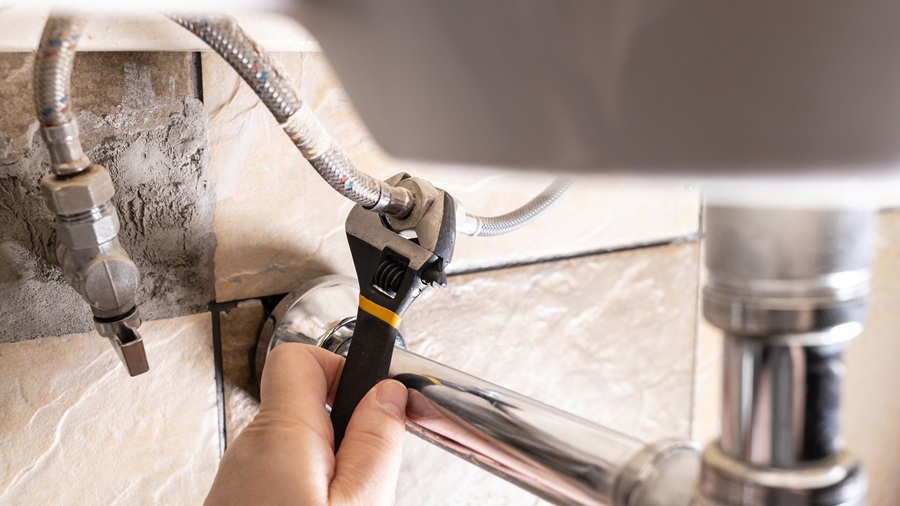
Understanding Common Pipe Materials in Older Homes
The age of a home often determines the materials used in its plumbing system. Each material has strengths and weaknesses that affect how it performs decades later.
Many homes built before the mid-twentieth century still contain galvanized steel pipes. These pipes were coated to resist rust, but the protective layer breaks down over time. As corrosion develops inside the pipe, water flow gradually becomes restricted, and the risk of leaks increases.
Copper piping became widespread later and remains common in older homes. While copper is more resistant to corrosion, it can still deteriorate due to water acidity, poor installation practices, or long-term stress on joints. Small leaks may form in hidden areas, causing damage before they are noticed.
For drainage and sewer systems, clay piping was widely used in older neighbourhoods. These pipes are rigid and prone to shifting as soil conditions change. Tree roots are particularly attracted to clay joints, which can lead to slow-developing blockages that worsen over time.
Subtle Warning Signs Homeowners Should Not Ignore
One of the challenges with aging plumbing is that problems often begin quietly. Homeowners may dismiss early symptoms as normal household quirks without realizing they signal deeper issues.
Water that appears cloudy or has a metallic taste may reflect internal pipe deterioration. Sinks or tubs that drain slowly, even after cleaning, may indicate problems further down the line rather than surface clogs. Fluctuating water pressure, especially when multiple fixtures are used, can suggest narrowing pipes or internal buildup.
Another common but overlooked sign is unexplained moisture. Slight dampness near baseboards, ceilings, or basement walls can point to slow leaks that worsen gradually. Over time, these leaks can damage framing, flooring, and insulation.
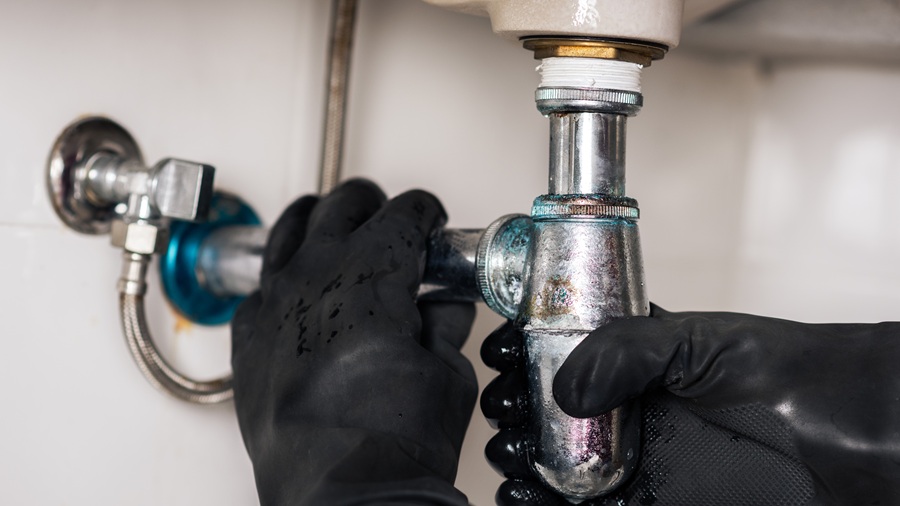
How Aging Plumbing Can Affect Everyday Living
Beyond visible damage, aging plumbing systems can quietly reduce comfort and efficiency. Appliances connected to older pipes may wear out faster due to sediment buildup or inconsistent water pressure. Water heaters may work harder to compensate for restricted flow, leading to higher energy consumption.
In some cases, aging pipes can also affect water cleanliness. Sediment and mineral deposits may accumulate inside pipes, impacting taste and clarity. While not every older system poses a health risk, changes in water quality should always be taken seriously.
Midway through the life of an older system, many homeowners choose to consult an experienced Ontario plumbing company to better understand whether maintenance, targeted repairs, or partial upgrades make the most sense for their specific home.
Renovations and the Hidden Strain on Old Plumbing
Home renovations often reveal plumbing weaknesses that previously went unnoticed. Adding bathrooms, upgrading kitchens, or installing modern fixtures increases demand on supply and drainage lines that were not designed for such loads.
Without evaluating existing plumbing, renovations can unintentionally accelerate failures. Pipes that were functioning adequately under lighter use may begin leaking or backing up once demand increases. Planning plumbing assessments alongside renovation projects helps ensure improvements enhance the home rather than introduce new risks.

Seasonal Stress on Aging Plumbing Systems
Ontario’s climate plays a major role in plumbing wear. Freezing temperatures, spring thaws, and soil movement place ongoing stress on underground pipes and exposed supply lines.
Older homes may lack sufficient insulation around pipes located in crawl spaces, exterior walls, or basements. During cold months, these pipes are more vulnerable to freezing, which can weaken joints and increase the likelihood of cracks forming later.
Underground sewer lines are also affected by seasonal shifts. As soil expands and contracts, rigid materials such as clay are more likely to move out of alignment, creating conditions for blockages or structural damage.
The Value of Proactive Plumbing Assessments
Routine plumbing assessments are one of the most effective ways homeowners can stay ahead of costly problems. Unlike emergency repairs, inspections allow issues to be identified early when solutions are simpler and less disruptive.
Modern inspection tools make it possible to assess underground and concealed plumbing without extensive excavation or wall removal. These evaluations help homeowners understand the true condition of their systems and plan upgrades on their own timeline.
Proactive maintenance also supports better budgeting. Knowing when a system is nearing the end of its useful life allows homeowners to prepare financially rather than being forced into urgent decisions.
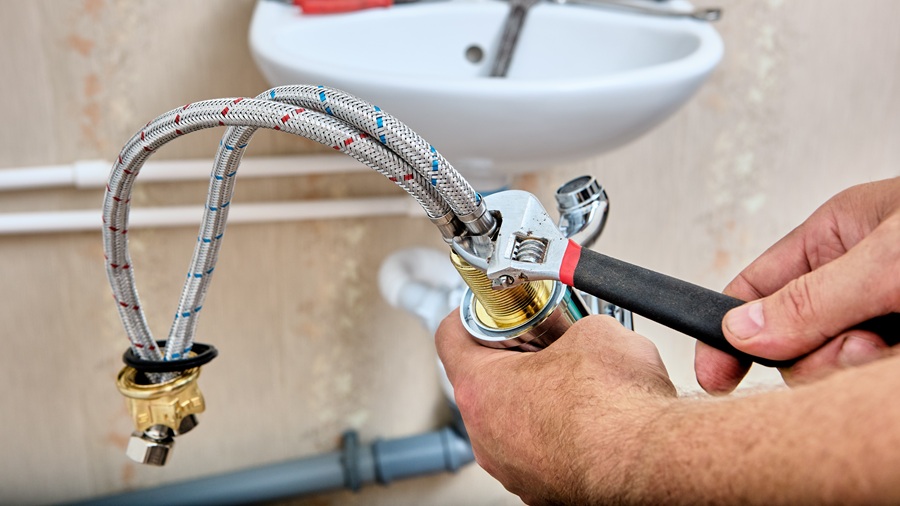
Repairing Versus Upgrading Older Plumbing
Deciding whether to repair or replace aging plumbing is rarely straightforward. Occasional issues may be manageable with targeted repairs, but repeated problems often signal that a system is no longer reliable.
When leaks, drainage issues, or water quality concerns become frequent, upgrading sections of plumbing may provide better long-term value. Newer materials offer improved durability, better flow characteristics, and greater resistance to environmental stress.
Homeowners who take a strategic approach often find that gradual upgrades, rather than full system replacements all at once, strike the right balance between cost and reliability.
Protecting Property Value and Peace of Mind
Plumbing problems can affect more than daily comfort. Water damage is one of the most common causes of property loss and can complicate insurance claims if underlying system deterioration is involved.
Maintaining plumbing systems and addressing aging components proactively helps protect resale value. Buyers and inspectors increasingly look closely at plumbing infrastructure, especially in older homes. Demonstrating that systems have been assessed and maintained can reduce friction during sales and negotiations.
Planning for the Future of an Older Home
Owning an older home does not mean accepting constant plumbing problems. With awareness, thoughtful planning, and timely intervention, homeowners can extend the life of their systems and reduce the risk of disruption.
Understanding how plumbing materials age, recognizing early warning signs, and preparing for upgrades before emergencies occur allows homeowners to preserve both the character of their homes and the reliability of their infrastructure. Aging plumbing systems deserve attention, but with the right approach, they do not have to define the homeowner experience.