
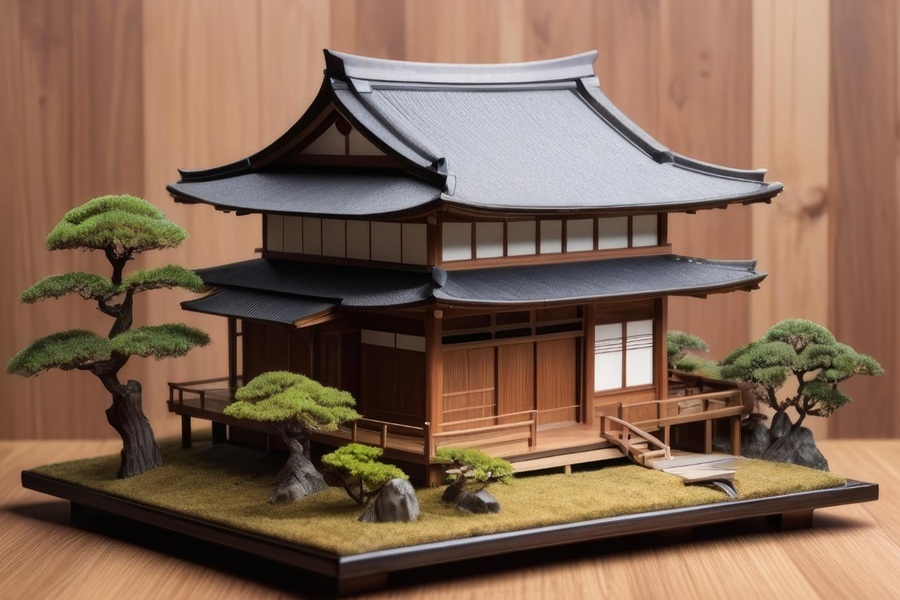
What to know before buying a house in Japan
For anyone seriously exploring houses for sale in Japan, an understanding of the local buying process goes a long way
YOKOHAMA DOESN’T GET talked about nearly enough. While Tokyo tends to dominate conversations about Japanese real estate, Japan’s second-largest city—sitting just 30 minutes south of Shinjuku by express train—has been quietly drawing in buyers from around the world. Whether you’re an expat already living in Japan, a Canadian or North American investor looking abroad, or someone who’s always dreamed of owning property in Asia, Yokohama offers a compelling mix of affordability (relative to Tokyo), international character, and genuine quality of life.
This guide is meant to give you a clear-eyed look at what it actually means to search for houses for sale in Yokohama, Japan: who can buy, what it costs, where to look, and what to watch out for.
Can Foreigners Actually Buy Property in Japan?
This surprises a lot of people: yes, completely. Japan has one of the most open property ownership systems in Asia. Foreigners have the same legal rights as Japanese nationals to purchase real estate—no citizenship requirement, no residency visa required, no special permits. Whether you’re American, Canadian, Australian, or from most other countries, you can purchase land and buildings outright on a freehold basis.
The ownership model most buyers will encounter is called Shoyuken (所有権)—full freehold title over both the land and the building. You can sell it, rent it, renovate it, or pass it to your heirs. A leasehold arrangement (Shakuchiken) also exists in some cases, particularly in land-scarce urban areas, where you own the building but lease the land underneath. It’s less common in residential contexts, but worth asking your agent about upfront.
One administrative note for non-residents: purchases may need to be reported under Japan’s Foreign Exchange and Foreign Trade Act within 20 days of closing. Your agent or judicial scrivener (the legal professional who handles title transfers in Japan) will typically take care of this for you.

Understanding the Yokohama Market
Yokohama is a city of 3.7 million people spread across 18 wards, each with its own character and price range. The property market has been active. Pre-owned condominiums averaged around ¥65.4 million in Q4 2024—a year-on-year increase of roughly 14.6%—while new single-family homes were averaging approximately ¥47.2 million as of early 2025. Central wards like Naka and Kanagawa command the highest prices, typically ranging from ¥65 million to ¥95 million, while suburban wards like Kohoku and Totsuka tend to fall in the ¥45–¥65 million range.
For context, that still puts Yokohama meaningfully below central Tokyo, where new condominium prices in the 23 wards climbed roughly 13% in 2024, and supply has tightened considerably.
A Quick Look at Yokohama’s Key Neighborhoods
Yokohama’s 18 wards span everything from dense commercial cores to quiet suburban communities. Here’s a snapshot of what draws buyers to different parts of the city:
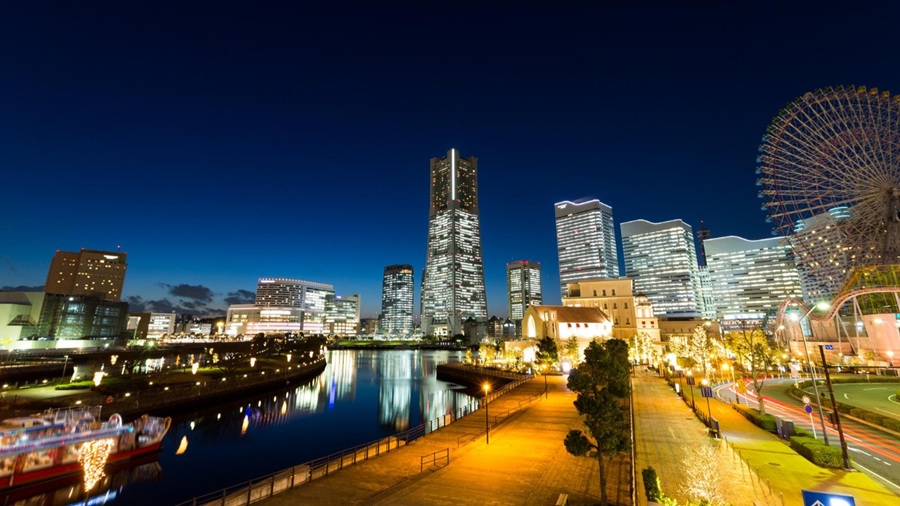
Naka Ward / Minatomirai—This is Yokohama’s cultural and commercial heart. The Minatomirai district features waterfront high-rises, walkable access to the Landmark Tower, Chinatown, and Yamashita Park. It’s the area most associated with Yokohama’s international port-city identity. Prices reflect that desirability.
Yamate / Motomachi (Naka Ward)—A hillside residential district with a long history as an expat enclave. Two major international schools (Yokohama International School and St. Maur International) are located here, making it a top choice for families. The streets have a distinctive European feel, and the area is walkable to Motomachi’s shopping street and the Bluff’s parks.
Aoba Ward / Tsuzuki Ward—Located in Yokohama’s northwest corner, Aoba is a quieter, more suburban option popular with families and commuters. It’s well-connected via the Tokyu Den-en-toshi Line and generally offers more space per yen than central wards.
Kohoku Ward—The most populous ward in the city, Kohoku sits near Shin-Yokohama Station (Shinkansen access) and has seen significant residential and commercial development. Good transit options make it attractive for professionals commuting to Tokyo.
Kanazawa Ward—In the southeast, bordering Tokyo Bay, Kanazawa offers lower entry prices and a more residential feel. It’s further from central Yokohama but has its own train connections and local amenities.
For more information about the city: Yokohama City Area Guide
The Step-by-Step Buying Process
Japan’s real estate transaction system works differently from what North American buyers are used to. Here’s what to expect:
- Find a property and submit a Letter of Intent—Unlike North America, offers in Japan start with a non-binding kaitsuke shoumeisho that signals your interest and proposed price to begin negotiation.
- Review the Explanation of Important Matters—Before contracts are signed, your agent is legally required to walk you through a document (juuyoujikou setsumeisho) covering everything about the property: existing mortgages, zoning, building condition, management fees, and any known disputes. If you’re not fluent in Japanese, request a bilingual version or work with a bilingual agent.
- Sign the contract and pay the deposit—Typically 5–10% of the purchase price, credited toward the final total. This is generally non-refundable once paid.
- Ownership registration—A judicial scrivener handles the formal title transfer at the Legal Affairs Bureau, officially recording your ownership details.
- Settlement and key handover—The remaining balance is transferred, paperwork is finalized, and you receive the keys along with your title identification document (登記識別情報).
Note on lawyers: unlike many countries, licensed real estate brokers in Japan handle both the brokerage and legal roles in residential transactions. There’s no separate attorney involved. This makes the choice of agent especially important—you want someone experienced with foreign buyers.
Documents You’ll Need
For non-residents purchasing from abroad, the core requirements are:
- A valid passport
- A notarized affidavit verifying your identity and signature (as of April 2024, this can be certified by a notary public in your country of residence)
- A notarized copy of your passport
If you have residency in Japan, you’ll also provide your residence card (zairyu card) and a registered personal seal (jitsuin).
Financing: What to Expect
Getting a mortgage from a Japanese bank is genuinely more difficult for foreigners than for Japanese nationals. Most lenders prioritize permanent residency, stable long-term income, and local credit history. Without permanent residency, many lenders require a higher down payment (often 20–30%) and may ask for additional guarantors.
That said, options exist. Some Japanese financial institutions offer loan products for non-residents. International banks with Japanese branches sometimes extend mortgages to established customers. And some buyers simply purchase with cash, particularly for investment properties or lower-priced listings.
Japanese mortgage rates, while higher than the near-zero rates of previous years following the Bank of Japan’s 2024 rate adjustments, remain low by global standards—around 0.7% variable and approximately 1.9% for a 35-year fixed as of early 2025.
Additional Costs to Budget For
Beyond the purchase price, buyers should plan for:
- Deposit: 5–10% of the purchase price, paid at contract signing
- Brokerage fee: Typically around 3% of the purchase price plus a fixed amount (~¥60,000), paid in two installments
- Stamp duty: Varies by property value; for properties under ¥50 million, approximately ¥10,000
- Annual property taxes: Fixed asset tax at 1.4% of assessed value, plus urban planning tax up to 0.3% in designated zones
A Few Practical Things Worth Knowing
All documentation is in Japanese. Contracts, legal documents, and regulations are presented in Japanese only. Even when translations are provided by reputable agencies, only the Japanese texts carry legal weight. Working with a bilingual agent or a judicial scrivener who can communicate in English is strongly recommended.
Buildings depreciate; land doesn’t. This is one of the more counterintuitive aspects of Japanese real estate. Older wooden structures typically depreciate toward zero over 20–30 years by conventional accounting. Land values, especially in well-connected urban areas, tend to hold up much better. This affects both resale planning and financing.
Buying property does not grant a visa. Owning real estate in Japan has no direct bearing on your ability to live there. Residency and property ownership are entirely separate legal tracks.
Post-1981 construction is preferable for earthquake resistance. Japan updated its seismic building codes significantly after the 1978 Miyagi earthquake, with further reforms following 1995. Properties built after 1981 (and especially after 2000) meet more rigorous standards and are generally preferred by buyers concerned about structural safety.
Where to Search for Listings
If you’re starting your search from abroad, a few platforms offer English-language listings for Yokohama:
- Japan-Property.jp—Listings across Yokohama and Kanagawa Prefecture with English-language support for international buyers
- Real Estate Japan (realestate.co.jp)—Long-established platform with a wide selection of sale and rental listings in English
- AkiyaMart—Specializes in akiya (vacant homes), a growing category in Japan’s real estate market, often available at significantly reduced prices
- SUUMO and At Home—Japan’s largest listing portals, though primarily in Japanese
Working with a licensed agent who handles foreign buyers is generally the most efficient path, particularly for navigating contracts, financing coordination, and the title transfer process.
Summary
Yokohama rewards the buyer who does their homework. Its international history, transit connectivity, and relative affordability compared to central Tokyo make it one of the more practical entry points into Japanese real estate. The process has some unique features—the absence of lawyers, the documentation requirements for non-residents, the nuances of mortgage qualification—but none of them are insurmountable with the right guidance in place.
For anyone seriously exploring houses for sale in Yokohama, Japan, the combination of a thorough initial search, a bilingual agent, and an understanding of the local buying process goes a long way.