
How to manage a successful farm
With the right approach and a willingness to adapt, managing a successful farm can be rewarding
FARMING MAY SEEM old-fashioned, but running a successful farm today requires both traditional methods and modern techniques. Whether you are a beginner or have been farming for years, knowing a few key principles can make a big difference. It’s more than just planting seeds and hoping for the best. It involves planning, managing resources, and using technology effectively. With the right approach, your farm can thrive and benefit both you and your local community.
Let’s look at how to build and maintain a successful farm.
Soil Health Matters
Soil is the most important part of farming. Healthy soil is crucial for a successful farm. To ensure your crops grow well, regularly test your soil for nutrient levels, pH, and organic matter. Rotate your crops each year to keep the soil rich and to better manage pests. Using cover crops can also improve soil health; these plants help prevent erosion and can enrich the soil when turned under.
Proper irrigation is another key part of soil management. Invest in an irrigation system that suits your crops, taking into account your climate and soil type. Drip irrigation systems, for example, can save water and deliver it directly to plant roots.
Effective Equipment Use
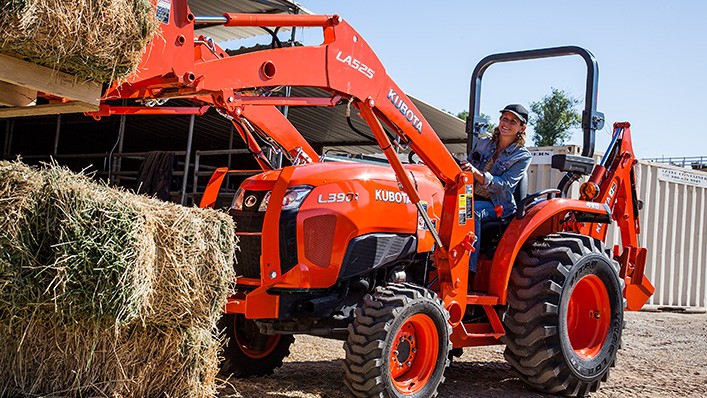
Using the right equipment can greatly improve the efficiency and productivity of your farm. UTVs (Utility Task Vehicles) are versatile tools that can be very helpful. They can transport goods, carry tools, and handle rough terrain with ease.
With a UTV vehicle, you can quickly move around your farm. This makes it easier to deliver supplies or check on livestock. UTVs can also be fitted with various attachments to help with tasks such as hauling trailers or towing equipment, increasing their usefulness.
Regular maintenance is essential for all your equipment, like tractors, UTVs, and irrigation systems. Routine checks and timely repairs can help you avoid costly problems later.
Sustainable Practices
Sustainability is crucial for modern farming. Using sustainable methods helps the environment and can improve your farm’s profits. Consider using organic farming techniques, such as natural pest control and composting. These methods can reduce your reliance on synthetic chemicals, making your produce more appealing to health-conscious customers.
Also, consider diversifying your farm. If you can, grow different crops or add livestock. This strategy creates new ways to earn money and reduces the risk of losing all your crops.
Strong Relationships
Building strong relationships with other farmers and consumers is important. Connecting with fellow farmers can help you share resources, information, and support. Attend local farming events and join agricultural organizations. These connections can provide useful insights to improve your practices and yields.
Customer relationships matter too. If you sell directly to consumers, focus on building trust and being transparent. Customers want to know where their food comes from and how it is produced. Participating in community events or farmers’ markets can strengthen these bonds while promoting your products.
Technology and Innovation
Technology is changing farming today. Innovations can help you save time and reduce waste. For instance, farm management software can help you track your crops, labour, and profits in one place.
Drones for crop monitoring are becoming more common. UTVs are also often used on farms. These tools can provide insights into crop health, helping you make informed decisions about watering, fertilizing, and pest control. Investing in technology may cost money upfront, but the long-term benefits can be significant.

Stay Informed
Agriculture is constantly evolving, so it’s crucial to stay up to date on new research, practices, and technologies that can benefit your farm. Subscribe to agricultural magazines, follow blogs, and attend workshops to keep learning.
Building a network of fellow farmers can provide essential support and information. Sharing experiences can help you find new strategies or solutions that have worked for others. Be open to learning and changing; the best farmers adapt to new ideas.
Future Planning
Lastly, think about your future. What are your long-term goals for your farm? Whether you want to expand, pass the farm to the next generation, or start a community-supported agriculture program, having a clear vision will guide your decisions.
Consider creating a business plan that outlines your goals, challenges, and strategies for overcoming them. This plan can help keep you focused and motivated as you deal with the ups and downs of farming. With the right approach and a willingness to adapt, managing a successful farm can be rewarding. Farming is as much about the community as it is about the crops.