

Different ways to consume cannabis: Pros and cons
Understanding the different ways to consume cannabis empowers you to make informed decisions about which approach best fits your lifestyle and goals
CANNABIS CONSUMPTION HAS evolved far beyond traditional smoking methods. Whether you’re a medical patient seeking relief or a recreational user exploring options, understanding the various consumption methods helps you make informed decisions about what works best for your lifestyle and needs.
Smoking Cannabis
Smoking remains the most recognizable way to consume cannabis, involving the combustion of dried flowers through joints, pipes, or bongs.
Pros of Smoking
Smoking delivers nearly instant effects, typically within minutes of inhalation. This rapid onset allows users to gauge their tolerance and adjust dosage accordingly. The method is also straightforward and requires minimal equipment beyond rolling papers or a basic pipe.
Many users appreciate the ritual and social aspects of smoking. Rolling a joint or passing a pipe creates a communal experience that has been part of cannabis culture for generations.
Cons of Smoking
The primary drawback involves combustion byproducts. Burning plant material produces tar and other potentially harmful compounds that can irritate the respiratory system. Regular smoking may lead to coughing, throat irritation, and other breathing issues.
Smoking also produces a strong, distinctive odor that lingers on clothing and in spaces. This can be problematic for users who need discretion or live in shared spaces.
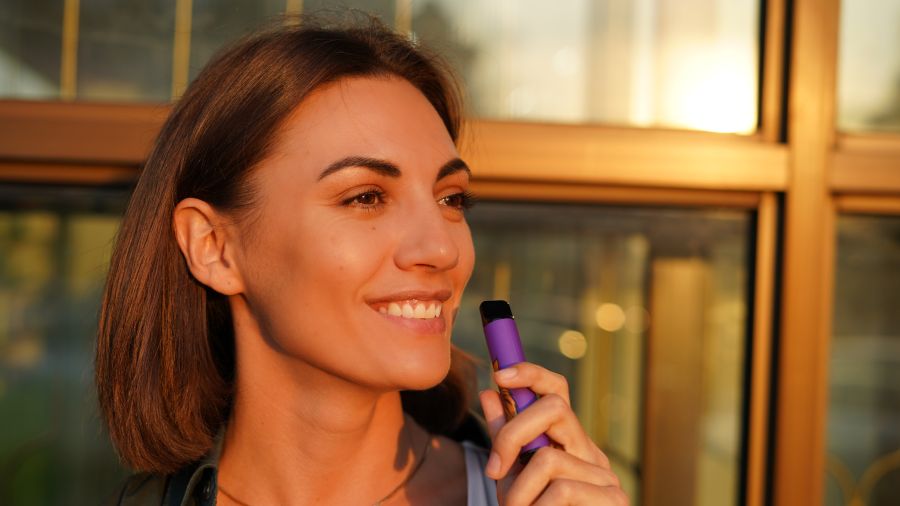
Vaporizing Cannabis
Vaporization heats cannabis to a temperature that releases cannabinoids without combustion, creating vapor instead of smoke.
Pros of Vaporizing
Vaporizing significantly reduces harmful byproducts associated with combustion while maintaining the quick onset of effects. The vapor is smoother on the throat and lungs, making it more comfortable for many users.
Temperature control allows users to target specific cannabinoids and terpenes, as different compounds vaporize at different temperatures. Cannabis vaping products offer convenient, portable options for users seeking this consumption method.
Vaporizing also produces less odor than smoking, and the smell dissipates more quickly. This makes it more discreet for users who need to be mindful of their environment.
Cons of Vaporizing
Quality vaporizers represent a significant upfront investment, with good devices costing between $100 and $400. Cheaper alternatives often provide poor vapor quality or break quickly.
Vaporizers require regular maintenance, including cleaning and battery charging for portable units. Some users also report that vaporizing doesn’t provide the same “full” experience as smoking, though this varies by individual preference.
Edible Cannabis Products
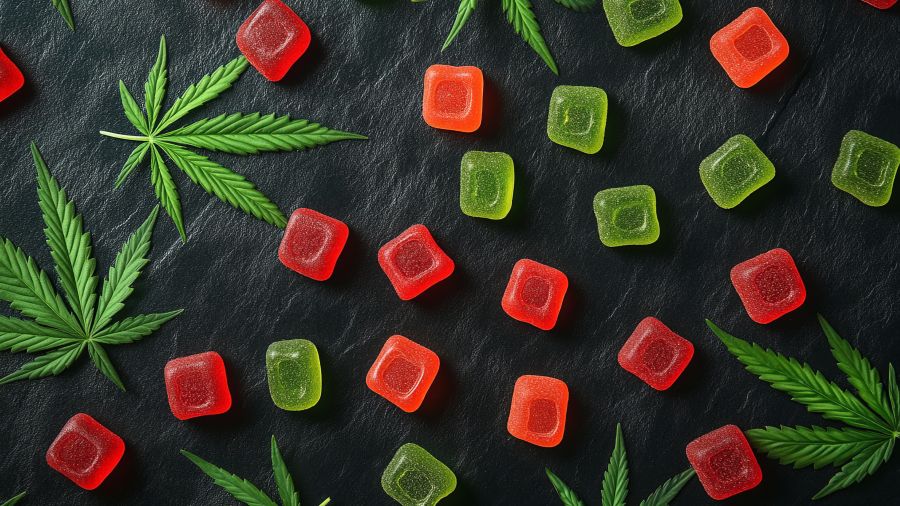
Edibles include any food or beverage infused with cannabis, from gummies and chocolates to beverages and baked goods.
Pros of Edibles
Edibles offer the longest-lasting effects, typically between four to eight hours. This extended duration makes them ideal for users seeking sustained relief from chronic conditions.
The consumption method is completely discreet and produces no odor. Edibles also eliminate any respiratory concerns since no inhalation is involved.
Many users prefer the predictable, measured dosing that commercial edibles provide. Each gummy or chocolate square contains a specific amount of THC or CBD, making it easier to control intake.
Cons of Edibles
The delayed onset is edibles’ biggest challenge. Effects can take 30 minutes to two hours to appear, leading some users to consume more before the initial dose takes effect. This can result in uncomfortably intense experiences.
The long duration that benefits some users can be problematic for others. If someone consumes too much, they’re committed to several hours of effects with no easy way to reverse them.
Edibles also undergo first-pass metabolism in the liver, converting THC into 11-hydroxy-THC, which produces different effects than smoking or vaping. Some users find this metabolite creates more intense psychoactive effects.
Topical Cannabis Applications
Topicals include creams, balms, lotions, and patches infused with cannabinoids for external application.
Pros of Topicals
Topical applications provide localized relief without psychoactive effects. This makes them ideal for users seeking therapeutic benefits while maintaining full mental clarity.
They’re perfect for targeting specific areas of discomfort, such as sore muscles or inflamed joints. Many users report effective relief from conditions like arthritis or sports injuries.
Topicals are completely discreet and can be used throughout the day without affecting work performance or daily activities.
Cons of Topicals
The effects are limited to the application area and don’t provide systemic relief. Users seeking whole-body effects or mental health benefits won’t find topicals sufficient.
Quality varies significantly between products, and some contain insufficient cannabinoid concentrations to provide meaningful benefits. Research into topical effectiveness is also more limited compared to other consumption methods.
Sublingual Tinctures
Tinctures are liquid cannabis extracts taken under the tongue, allowing cannabinoids to absorb directly into the bloodstream.
Pros of Sublingual Use
Sublingual absorption bypasses the digestive system, providing faster onset than edibles while lasting longer than inhalation methods. Effects typically begin within 15 to 30 minutes.
Tinctures offer precise dosing through measured droppers, allowing users to find their optimal dose and maintain consistency. They’re also discreet and portable.
Cons of Sublingual Use
Many users dislike the taste of cannabis tinctures, which can be quite strong and earthy. The liquid must be held under the tongue for 60 to 90 seconds for optimal absorption, which some find unpleasant.
Effects can be unpredictable if users don’t hold the tincture long enough or accidentally swallow it too quickly, converting it into an edible with delayed onset.
Choosing Your Method
Selecting the right consumption method depends on several factors: desired onset time, duration of effects, discretion needs, health considerations, and personal preferences.
New users should start with low doses regardless of method and gradually increase until finding their optimal experience. Consider consulting with knowledgeable budtenders or medical professionals, especially if using cannabis for therapeutic purposes.
Each method offers unique advantages and challenges. Understanding these differences empowers you to make informed decisions about which approach best fits your lifestyle and goals.