
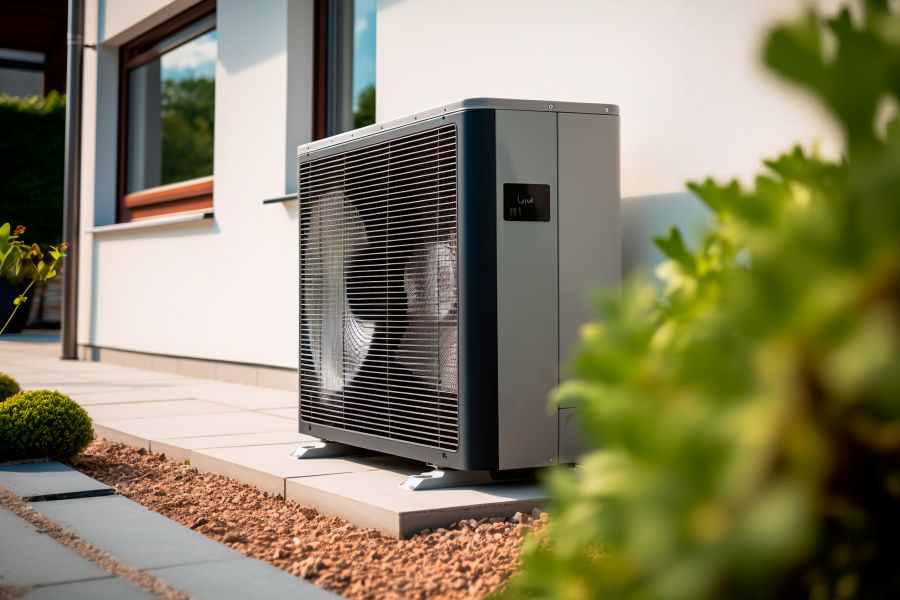
What does the 2026 HVAC sector look like across London Ontario?
London Ontario’s HVAC sector is booming. Learn what 2026 trends mean for local businesses, contractors and homeowners across Southwestern Ontario
HEATING, VENTILATION, AND air conditioning is one of the strongest performing trade sectors across Southwestern Ontario heading into 2026. Population growth in London, ongoing residential construction, and aging existing housing stock have combined to create sustained demand that local contractors are working hard to meet.
Long-established firms like (Via Handy Bros) have served the London region for over six decades, watching the sector evolve from straightforward furnace and air conditioner installations into a more complex business involving heat pumps, smart thermostats, indoor air quality systems, and federal energy rebates.
Why Is the London HVAC Market Growing?
Two forces are driving the surge. First, London’s population continues to expand faster than the Ontario average, adding new residential construction that needs HVAC installation. Second, much of the city’s existing housing stock is now reaching the age where original equipment requires replacement.
According to the Canada Mortgage and Housing Corporation, housing starts across the London census metropolitan area have remained strong through recent quarters, supporting a steady pipeline of new HVAC installations. At the same time, federal energy efficiency programmes are encouraging homeowners to upgrade older equipment to higher-efficiency systems years earlier than they otherwise would.
Commercial demand has also picked up. Office retrofits, industrial expansions, and new construction across the London region are all sources of HVAC work. Contractors who can balance residential service calls with commercial project work are reporting their strongest years in over a decade.

What Trends Should London Businesses Watch?
Several technology and policy shifts are reshaping the HVAC sector in 2026.
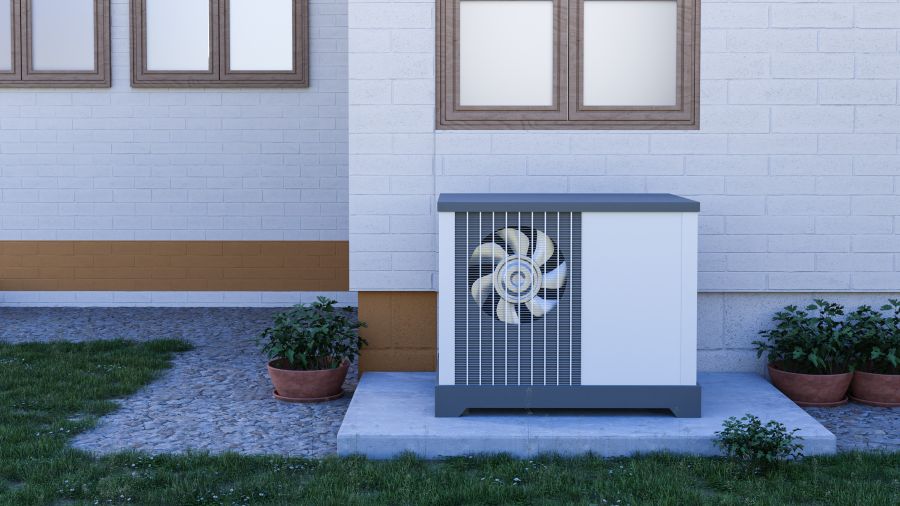
- Heat pump adoption is accelerating, supported by federal rebates and Ontario’s clean electricity grid. Cold-climate heat pumps now operate efficiently in Southwestern Ontario winters that would have defeated earlier models.
- Smart thermostats and connected HVAC systems are moving from premium upgrade to baseline expectation in new construction.
- Indoor air quality equipment, including HEPA filtration and energy recovery ventilators, has become a standard part of new home builds following pandemic-era awareness.
- Refrigerant regulations are phasing out older HFC refrigerants in favour of lower-global-warming alternatives, requiring contractors to retrain and homeowners to plan equipment replacements accordingly.
- Skilled trades labour shortages continue. The Heating, Refrigeration and Air Conditioning Institute of Canada reports persistent demand for qualified technicians across the country.
- Maintenance and service contracts are growing as a share of revenue, providing contractors with predictable recurring work.
These shifts favour established local providers who can invest in training, equipment, and the ongoing customer relationships that smart-equipment service requires.
How Should Homeowners and Businesses Choose a Contractor?
The market has more options than ever, which makes contractor selection both easier and more complicated.
- Verify licensing and certification. HVAC contractors in Ontario should hold appropriate provincial licences, manufacturer certifications, and TSSA registration for gas work.
- Check manufacturer relationships. Authorised dealers for major equipment brands have access to factory training, warranty support, and parts that independent installers may not.
- Ask about local experience. Long-tenured local contractors understand the building stock, climate patterns, and municipal requirements specific to London and Southwestern Ontario.
- Confirm service availability. Equipment installation is a single event. Service relationships last for years. Contractors who offer responsive after-hours service add significant value over time.
- Review rebate and financing knowledge. Federal Greener Homes and Ontario rebate programmes can significantly reduce the cost of efficient equipment, but only if the contractor knows how to manage them.
What Should Building Owners Plan for in 2026?
Commercial property owners should be planning equipment upgrades on extended timelines. Lead times for some commercial HVAC equipment have stretched to several months, particularly for heat pump systems and equipment using newer refrigerants.According to Natural Resources Canada, commercial buildings account for a substantial share of Canadian energy use, and HVAC represents the largest single energy consumer within most commercial buildings. Investing in higher-efficiency systems delivers ongoing savings that compound year after year.Property owners coordinating major capital projects should engage HVAC contractors early in the planning phase. Equipment selection, ductwork modifications, and electrical upgrades all interact, and decisions made late in a project are typically more expensive and less effective than those built into the original design.
What This Means for the Region
- London Ontario’s HVAC sector is benefiting from population growth, aging housing stock, and federal energy programmes.
- Heat pumps, smart thermostats, and indoor air quality equipment are now baseline expectations in new construction.
- Federal Greener Homes and Ontario rebates can significantly reduce the cost of efficient equipment.
- Skilled trades labour shortages mean booking lead times for service and installation are extending.
- Established local contractors have advantages in training, manufacturer relationships, and service infrastructure.
- Commercial property owners should plan equipment upgrades on six-to-twelve-month timelines.
A Sector With Sustained Momentum
The London HVAC market in 2026 reflects broader trends across Canadian trades: rising demand, technology evolution, and persistent labour shortages. For homeowners and businesses, the practical takeaway is to plan ahead, work with established local providers, and use available rebate programmes to offset the cost of efficient equipment that delivers lasting savings.
FAQ
Are heat pumps really effective in London Ontario winters?
Yes. Modern cold-climate heat pumps maintain efficient operation down to minus 25 degrees Celsius and below, which covers nearly all London winter conditions. Most installations include a backup heat source for the coldest days.
What rebates are available for HVAC upgrades in Ontario?
Federal programmes including Greener Homes Initiative offer rebates on efficient heat pumps and other equipment. Provincial and utility rebates change frequently. A qualified contractor should know current programmes and help homeowners manage applications.
How long does a typical HVAC installation take?
Furnace or air conditioner replacement typically takes one full day. Heat pump installations may take one to two days. New construction installations are coordinated with the broader build schedule.
Should I sign a maintenance contract with my HVAC contractor?
For most homeowners, yes. Annual maintenance contracts typically include priority service, discounted repairs, and scheduled tune-ups that extend equipment life and maintain efficiency.