
How better planning leads to more efficient commercial spaces
Better planning turns commercial spaces into environments that are easier to use, cheaper to run and more adaptable over time
EFFECTIVE COMMERCIAL SPACES rely on clear planning as much as good design. By improving layout, flow, and functionality, businesses can reduce congestion, support staff, enhance customer experience, and create spaces that work harder for productivity, engagement, and long-term success.
The Impact of Thoughtful Space Utilization
Thoughtful organization can enhance functionality, reduce waste, and balance flexibility with structure. Properly arranged areas maximize usable space while supporting different customer and employee needs.
Maximizing Functionality for Diverse Needs
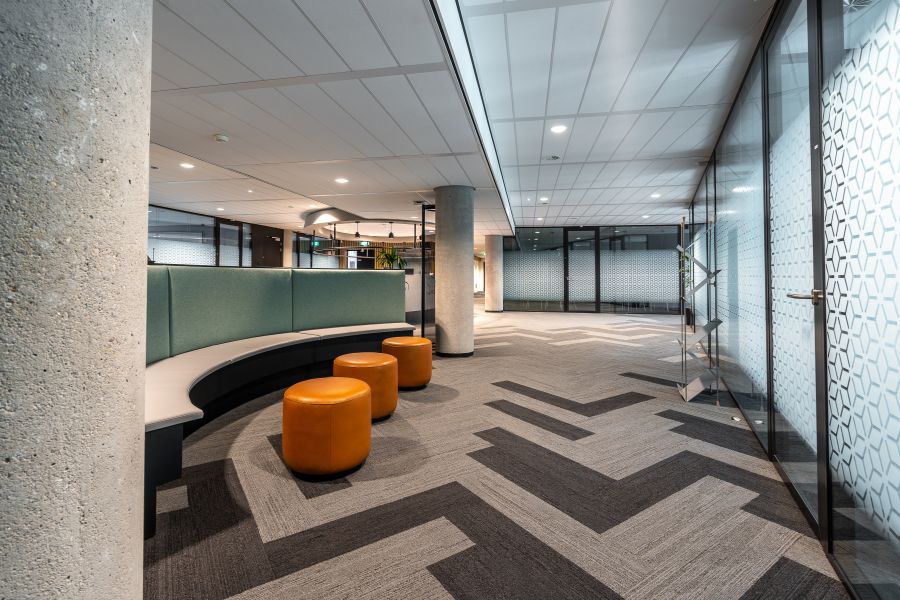
When it comes to commercial spaces, efficiency isn’t just about cutting costs—it’s about creating an environment that supports varied activities. Consider a multi-use office that incorporates open areas for collaboration, private zones for focused tasks, and breakout spaces for relaxation. For larger projects, working with architectural visualization London specialists can help stakeholders preview how these different zones will look and function before changes are made. Combining these features ensures that you meet the needs of a diverse workforce.
Dynamic spaces can also help. Movable partitions or modular furniture make adaptation easier, optimizing physical space while improving user satisfaction and productivity.
Eliminating Redundant Areas
Over time, spaces can become cluttered with low-value sections. Identify and repurpose these areas for better use. A meeting room that sits empty most days might work better as a communal lounge or hot-desking area.
A well-designed commercial space should use every square foot meaningfully. Keep an eye on daily traffic patterns and usage trends to guide reconfiguration efforts. By doing so, you not only use space more effectively but also potentially reduce operational costs associated with maintaining unused areas.
Balancing Flexibility and Structure
A thriving commercial environment often walks a fine line between structure and adaptability. Imagine a retail store where merchandise is organized neatly, but changes in product lines can be accommodated effortlessly. This balance allows businesses to stay responsive to shifting market trends and customer preferences.
For you, this might mean designing spaces that are neither too rigid nor too open-ended. Integrate versatile elements that can be shuffled easily, like shelving units or collapsible walls, while maintaining enough structure to ensure operational success. In doing so, you provide a framework that supports both established routines and unexpected innovations.
Design Strategies That Enhance Productivity
Crafting a commercial space that boosts productivity involves strategic design. Effective planning can facilitate collaboration, encourage focus, and provide a welcoming environment that inspires creativity and well-being.
Zoning for Collaboration and Privacy
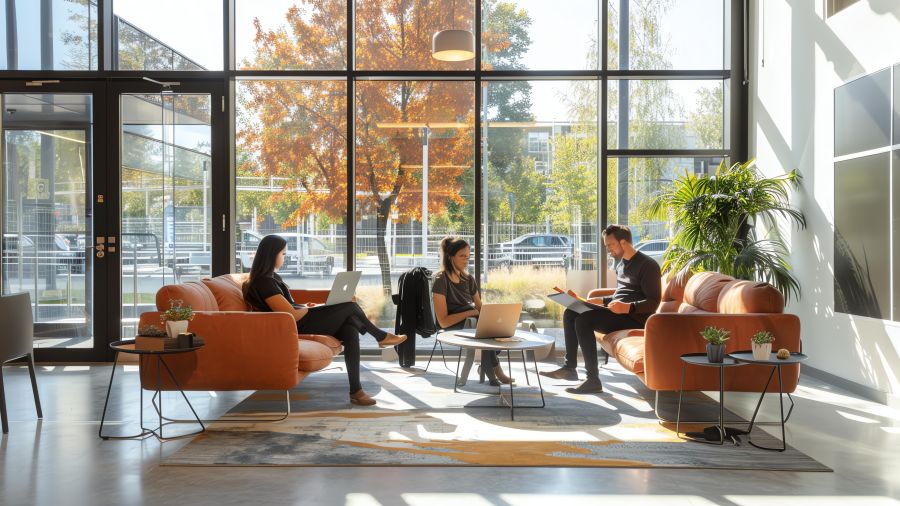
In any workplace, you need areas that encourage teamwork and places that allow for focus. Creating distinct zones within an office ensures that both collaboration and concentration are possible. Consider open spaces with comfortable seating for collaborative tasks, combined with isolated booths or rooms for privacy. Functional area rugs can also help define these zones visually, making open-plan spaces feel more organized without adding permanent barriers. This balance helps employees engage more effectively with their work.
Implementing sound insulation features can minimize distractions in private areas, enhancing focus. Additionally, designing collaborative zones with flexible furniture arrangements allows teams to adapt the space as needed. Incorporating versatile spaces can cultivate a dynamic atmosphere where workers feel empowered to communicate freely or focus deeply as required.
Integrating Natural Light and Green Elements
Natural light and greenery can support mood and efficiency. Place desks near windows and use transparent partitions to let sunlight flow through the office. If possible, skylights can open up enclosed spaces. Greenery also creates a refreshing ambiance and may support air quality and employee well-being.
Choose low-maintenance plants to ensure their longevity in various office settings. Vertical gardens or potted plants can make the surroundings feel vibrant and alive. The inclusion of biophilic elements also provides visual breaks in the workspace, which can reduce stress and boost productivity. A thoughtfully designed space that incorporates nature promotes both psychological and physical health.
Streamlining Workflows Through Layout
An efficient layout can improve workflows by reducing unnecessary movement. Start by analyzing how tasks flow through the office, then create clear pathways between key areas, including entrances, workstations, meeting rooms, and break areas. This organization reduces wasted time and enhances productivity.
Avoid cluttered environments by ensuring there’s enough storage and that walkways remain clear. Encourage effective collaboration by strategically placing shared resources like printers or filing cabinets in central locations. A well-planned layout acknowledges the daily routines of your team, facilitating smoother operations and making it easier for everyone to accomplish their tasks seamlessly.

Sustainability and Future-Proofing in Commercial Environments
Efficient commercial spaces prioritize sustainability and adaptability. Energy-saving solutions, flexible design elements, and smart technology can improve longevity and functionality, helping buildings meet current and future needs.
Energy-Efficient Building Solutions
Incorporating energy-efficient solutions is a critical aspect of sustainable commercial spaces. By using materials such as low-emissivity glass and advanced insulation techniques, you can significantly reduce energy consumption. Incorporating energy-efficient HVAC systems and LED lighting helps in minimizing operational costs as well. A utility bill auditing solution can also help businesses identify billing errors, usage inefficiencies, and unnecessary expenses that may otherwise go unnoticed. Green rooftops and solar panels are popular choices that contribute to energy savings and provide additional benefits like improved air quality and energy independence. These innovations not only contribute to a more sustainable environment but also provide significant cost savings, attracting energy-conscious tenants and investors.
Adaptable Features for Growth
To future-proof a commercial space, adaptability is vital. Modular designs and flexible configurations allow your space to evolve with changing business needs. Movable walls, multipurpose areas, and convertible spaces enable rapid reconfiguration without major renovations. This adaptability is essential for accommodating growth and changes in market demand. Designing spaces with multiple potential uses in mind increases both functionality and efficiency. You won’t just save money on future remodeling but will also attract businesses looking for versatile environments that can be tailored to their evolving needs.
Smart Technology Integration
Embracing smart technology is a key step toward making commercial spaces efficient and user-friendly. Implementing systems that offer real-time analytics on energy, occupancy, and security can optimize resource use and improve efficiency. Smart thermostats and lighting systems adjust automatically based on occupancy, saving energy and reducing costs. A licensed commercial electrician can ensure these systems are installed safely and integrated properly with the building’s existing infrastructure. Additionally, integrating IoT devices provides insights into building operations, enhancing decision-making capabilities. These smart features not only highlight commitment to cutting-edge solutions but also pave the way for smoother, more efficient operations.
Measuring Results and Continuous Improvement
To maximize efficiency in commercial spaces, monitoring the ways spaces are used and gathering feedback from users are essential. By focusing on quantitative data and qualitative insights, you can make informed decisions to optimize space utilization.
Tracking Space Utilization Metrics
Tracking metrics are vital for understanding how commercial spaces are used. Begin by setting clear objectives for what you want to measure, such as occupancy rates, foot traffic, and space allocation. Use sensors and smart building technologies to collect data on how often certain areas are utilized. This data helps assess the efficiency of your space.
Analyzing trends in this data helps identify underutilized areas or bottlenecks. Visual representations like graphs and heat maps can simplify data interpretation. Regularly updating this data ensures that your space aligns with business needs, thereby saving costs and resources.
Encouraging Feedback from All Users
User feedback provides a valuable perspective that metrics alone cannot capture. Create an open channel for feedback from employees, clients, and visitors, using digital surveys or suggestion boxes. Ask specific questions to garner useful insights about their experiences and challenges.
Having regular feedback sessions with stakeholders fosters a sense of inclusion and encourages honest opinions. This not only helps refine the space but also improves user satisfaction. Always act on the feedback by implementing changes or improvements, showing that their input makes a difference.
Bringing It All Together
Better planning turns commercial spaces into environments that are easier to use, cheaper to run, and more adaptable over time. By combining smart layouts, flexible design, sustainable systems, and regular feedback, businesses can create spaces that support productivity today while staying ready for whatever comes next.