

How ergonomic facility design is reducing workplace injuries across Canada
Ergonomic facility design is increasingly seen as essential infrastructure investment rather than optional enhancement
CANADIAN WORKPLACES ARE witnessing a safety transformation driven by ergonomic facility design principles that prioritize human factors alongside operational efficiency. Industrial facilities, warehouses, and manufacturing plants now integrate spatial planning, equipment selection, and workflow optimization to minimize physical strain on workers. This shift reflects growing recognition that well-designed environments directly correlate with lower injury rates, reduced absenteeism, and improved productivity. As regulatory expectations evolve and labour shortages persist, organizations increasingly view ergonomic design as essential infrastructure investment rather than optional enhancement.
Storage Solutions That Minimize Physical Strain
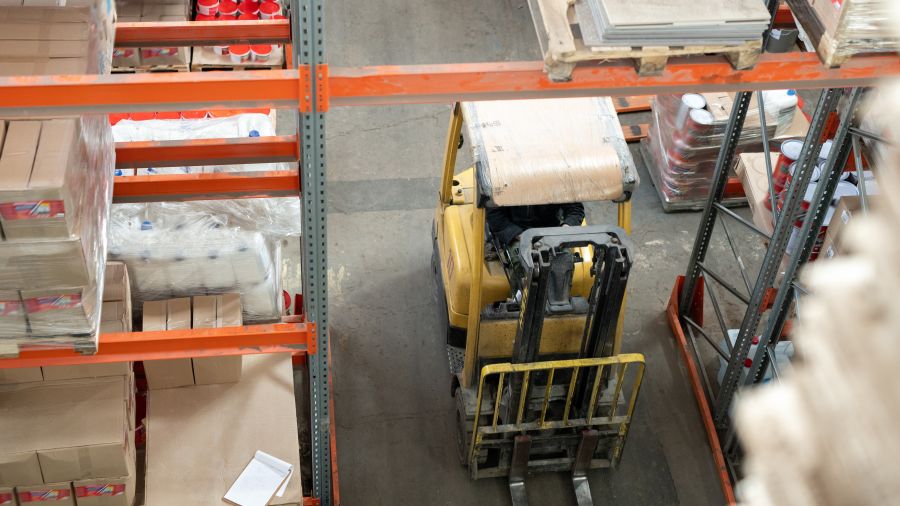
Material handling represents a significant source of workplace injuries in Canadian facilities, particularly in operations requiring repeated lifting, reaching, and load manipulation. Modern storage systems address these risks by reducing awkward postures and excessive force requirements. Push back pallet racking exemplifies this approach by enabling operators to load and retrieve pallets from a single aisle position, eliminating the need to enter racking bays or stretch beyond safe reach zones. This configuration reduces lower back strain, shoulder injuries, and slip hazards associated with navigating tight spaces. Facilities implementing such solutions report measurable decreases in musculoskeletal disorders among material handlers and forklift operators.
Workflow Layouts That Prevent Repetitive Motion Injuries
Spatial organization plays a critical role in minimizing repetitive strain injuries that accumulate over time. Ergonomic facility design maps worker movements throughout shifts to identify high-frequency tasks and optimize placement of equipment, materials, and tools. By reducing unnecessary walking distances, eliminating awkward reaching patterns, and positioning frequently accessed items within neutral body zones, layouts decrease cumulative physical stress. Canadian manufacturing plants applying these principles have documented significant reductions in carpal tunnel syndrome, tendinitis, and chronic joint complaints. The approach requires detailed task analysis but delivers sustained improvements in worker health and operational continuity.

Lighting Design That Reduces Visual Fatigue and Errors
Inadequate or poorly distributed lighting contributes to eye strain, headaches, and increased accident risk in industrial settings. Ergonomic lighting strategies combine ambient illumination with task-specific fixtures to ensure visibility without glare or harsh shadows. Facilities incorporate adjustable fixtures, motion sensors, and daylight integration to create adaptable environments that accommodate varying tasks and individual needs. Proper lighting reduces the physical tension workers develop when straining to see details, labels, or hazards. Canadian warehouses upgrading to LED systems with zoned controls report fewer vision-related complaints and improved accuracy in order fulfillment and quality inspection processes.
Temperature and Ventilation Control for Physical Comfort
Thermal discomfort forces workers to compensate physically, leading to muscle tension, dehydration, and reduced alertness that increases injury vulnerability. Ergonomic facility design addresses climate control as a safety factor, not merely a comfort consideration. Strategic placement of heating, cooling, and ventilation systems maintains consistent temperatures across work zones while preventing drafts or hot spots. Facilities in Canadian climates face particular challenges with seasonal extremes, making zone-specific controls essential. Operations that invest in climate management systems see reduced heat stress incidents in summer, fewer cold-related strains in winter, and more consistent worker performance year-round.
Flooring Systems That Minimize Impact Stress
Standing on hard concrete surfaces for extended periods contributes significantly to lower extremity pain, circulatory issues, and spinal compression. Anti-fatigue flooring solutions incorporate cushioning materials in high-traffic zones where workers perform stationary tasks such as assembly, packing, or machine operation. These surfaces reduce impact forces transmitted through feet, ankles, knees, and hips during prolonged standing. Canadian facilities combining anti-fatigue mats with proper footwear programs report decreased complaints of leg fatigue, varicose veins, and lower back discomfort. The intervention proves particularly valuable in operations where job rotation or movement breaks are impractical due to production demands.
Integrating Flooring with Traffic Flow Design
Effective flooring strategies extend beyond material selection to include traffic pattern management that separates pedestrian and equipment zones. Clearly marked pathways, color-coded surfaces, and physical barriers guide movement while protecting workers from collision hazards. This integration reduces sudden directional changes that strain joints and creates predictable environments where workers can maintain natural postures and gaits throughout shifts.

Equipment Positioning That Supports Neutral Postures
Workstation configuration determines whether employees can maintain neutral body positions or must adopt stressful postures that accelerate injury development. Ergonomic design places controls, displays, and interaction points within easy reach zones that allow shoulders to relax, elbows to remain close to the body, and wrists to stay straight. Adjustable platforms, rotating fixtures, and tilting surfaces enable customization to individual anthropometrics rather than forcing workers to adapt to fixed geometries. Canadian facilities implementing height-adjustable workstations and articulating tool mounts document substantial reductions in shoulder impingement, wrist inflammation, and neck strain across diverse worker populations.
Noise Control Strategies That Reduce Physical Tension
Excessive noise levels trigger physiological stress responses that manifest as muscle tension, elevated blood pressure, and heightened startle reflexes increasing accident risk. Acoustic management through sound-absorbing materials, equipment enclosures, and strategic facility zoning creates environments where workers maintain relaxed musculature and better situational awareness. Facilities addressing noise pollution report not only fewer hearing-related claims but also decreased incidence of tension headaches, jaw clenching, and upper back tightness. The intervention proves especially valuable in metalworking, packaging, and logistics operations where equipment generates sustained high-decibel environments.