
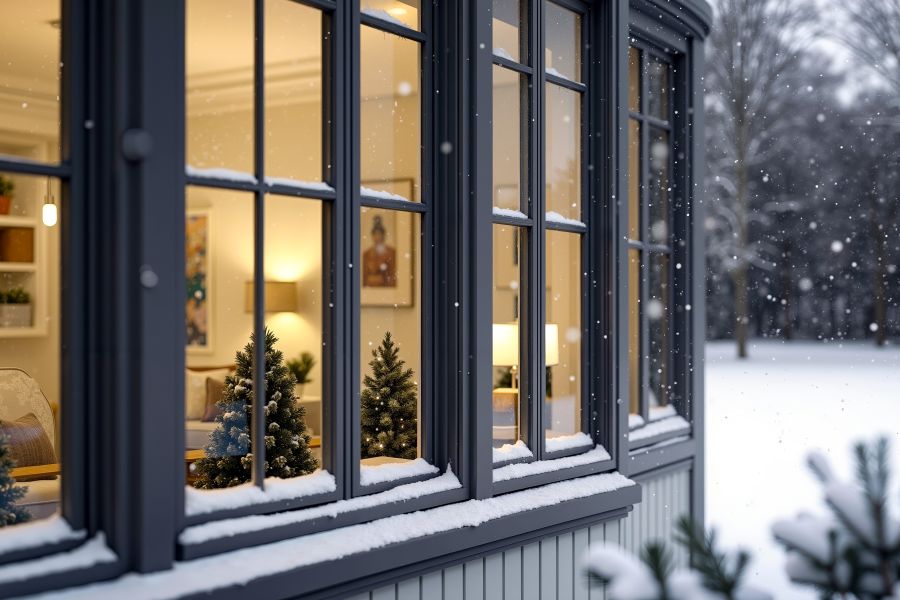
Winterization guide by TotalSeal Windows
Winterization of exterior property features prevents costly emergency repairs and serious frost damage
WHEN PREPARING YOUR home for harsh northern winters, you need to consider structural efficiency and thermal protection a great deal. The cold and seasonal conditions of freezing temperatures, heavy snow and constant winds easily test the limits of any residential building envelope. “Homeowners can prevent expensive heating surges and shield their homes from the impact of extreme weather by proactively inspecting, fixing and upgrading their homes.” Taking action in a timely manner means a warm, safe and comfortable indoor environment long before the first freeze.
Checking draft points and structural elements
The key is to identify heat loss zones as a starting point for winter preparation. Older building materials expand and contract naturally with temperature changes, creating slight gaps around frames, baseboards and entryways. The cold air comes in through these little holes and makes your central heating run all the time. This uses up a lot of energy and can make the inside rooms feel colder than the outer rooms.
Upgrading outdated exterior fixtures to high-performance windows and doors by TotalSeal provides an immediate line of defense against severe seasonal temperature drops. The advanced multi-pane glass units and insulated frame construction are far superior to the traditional materials in blocking cold drafts and retaining heat inside. And professional installation seals gaps around critical seals to provide dependable indoor comfort and dramatically reduce your heating bills during the coldest months of the year.
Sealing Gaps and Weatherstripping
The snow will fly and small air leaks around existing frames can be taken care of now to avoid immediate heat loss. Inspect the flexible rubber seals to block out cold drafts, replace any cracked caulk, and install high-density weatherstripping along the moving window sashes. Exterior grade sealant around the exterior frames keeps moisture from entering the structural walls and freezing, which can cause expensive structural expansion damage over time.
Door sweeps also help prevent cold air from blowing under main entrances. Adjustable bottom seals provide a tight barrier to snow buildup and cold wind, protecting hallways and living areas from cold spots. Insulated storm doors and new weatherstripping provide an additional barrier to insulate the main entry from the direct blast of freezing winter winds.
Optimization of Heating Systems and Thermostats
Maintaining peak efficiency of heating equipment is just as important as sealing structural air gaps. Professional HVAC maintenance, air filter replacement, and bleeding your radiators will keep the airflow smooth and the heat consistent. Smart programmable thermostats also help optimize energy use, as they automatically lower indoor temperatures slightly when people are sleeping or the house is empty, thus decreasing unnecessary fuel consumption.
Set the ceiling fan to run clockwise on low speeds to push warm air down from high ceilings, so heat is distributed evenly to living areas. Open curtains on south facing glasses during sunny daytime hours to allow natural solar heat to warm interior spaces, close heavy thermal drapes at nite to add extra insulation for freezing outdoor temperatures.

Protecting Plumbing and Outdoor Fixtures
Winterizing exterior property features prevents costly emergency repairs and serious frost damage. Drain outdoor water spigots and disconnect garden hoses, and insulate exposed pipes to protect outdoor plumbing from freezing and bursting. Clearing roof gutters of leaves and other debris keeps melting snow from draining properly and forming ice dams that push up under shingles and leak into interior ceilings.
Pruning tree limbs that hang over the house eliminates the risk of heavy snow and ice breaking limbs that could damage exterior walls or glass installations. To be fully prepared for upcoming snowstorms, you need to store patio furniture, seal deck surfaces and have ice-melt products on hand. And with these practical steps, any home can be turned into a resilient, energy-efficient winter sanctuary that can withstand the toughest northern freeze.