
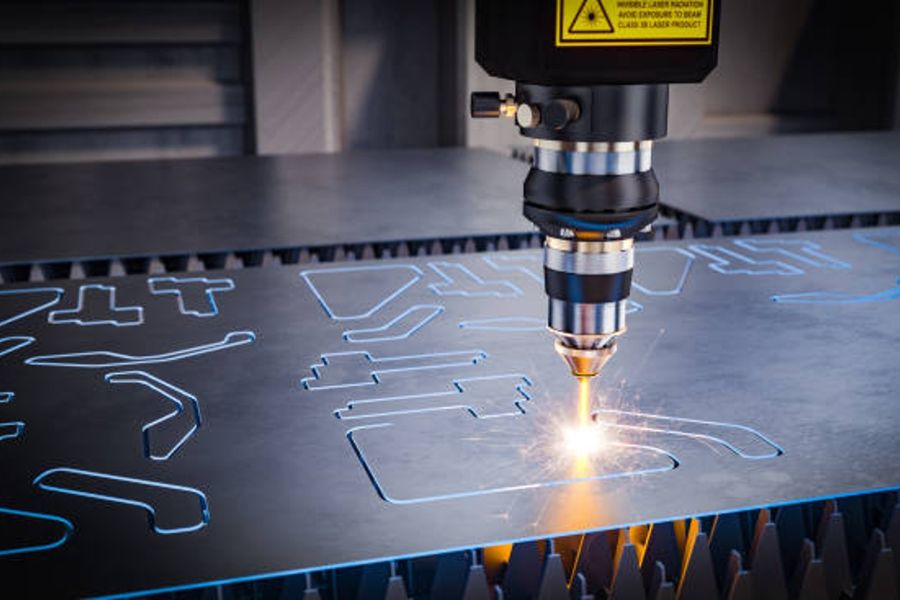
Why precision machining matters in modern manufacturing
Why precision machining matters in modern manufacturing
PRECISION MACHINING IS essential to producing high-quality components and maintaining efficiency in industries across the board. The automotive and industrial sectors are no exception. All machine components, from simple bolts to complex engine parts, need to be manufactured to very strict and sometimes unique specifications to ensure the safety and productivity of their machinery.
Because of the increase in complexity of machinery, businesses are forced to seek out partners that are capable of manufacturing mechanical components to meet their specifications. This is in addition to the challenges of sourcing different materials and dealing with very tight schedules to meet demand.

Understanding Precision Machining
As the term suggests, precision machining involves material removal processes to meet specified dimension, shape, and finish requirements. Examples of machining are milling, turning and drilling, and each has its place within different industries.
While equipment has become increasingly sophisticated and automated, precision machining is far from a one-size-fits-all solution. There are several factors at play in order to provide the consistency and precision that today’s market demands.
The Advantages of Having Components Made to Your Specifications
Standard components are sufficient for many projects; however, specialized machinery often requires parts with unique dimensions and specific technical features. Having components manufactured to your specifications is a convenient and cost-effective way to meet these requirements.
Collaborating with a machine shop specializing in custom parts allows businesses to obtain components that suit their machinery and production processes. This approach is particularly useful when sourcing obsolete parts, developing prototypes, or manufacturing components that are difficult to find through conventional suppliers.
Custom-machined parts can also eliminate unnecessary modifications to existing machinery. By using correctly dimensioned components from the beginning, businesses can simplify assembly, improve compatibility between parts, and help their equipment operate more efficiently.

Determining the Right Materials
Selecting the proper materials for machining is an essential part of the design process. Certain materials are better suited to specific projects depending on how they will be used and where they will be positioned.
For many projects, steel is the go-to metal because it offers an excellent balance of strength and durability. Other popular options include stainless steel, which provides excellent corrosion resistance, and aluminum, which is suitable for a variety of industrial applications. Various other materials, including plastics, can also be used to meet specific machining requirements.
It is important to consider factors such as the expected stress levels, operating environment, temperature, and service life of the parts when choosing materials. Consulting an experienced machining professional can help businesses make informed decisions and avoid unnecessary problems or delays. Working with HARtech, precision machining shop can help businesses explore machining solutions suited to their specific component requirements.
How Industrial Machining Boosts Efficiency
Delays in manufacturing, in addition to poorly fabricated parts, contribute to the inflation of the cost of running a business, as well as an overall delay of the workflow. However, parts fabricated through industrial machining are manufactured with precision in accordance with technical requirements.
This type of precision manufacturing makes for simpler part integration and higher overall product consistency. With better parts come less delays and more reliable performance, which also leads to less waste and a lower need for part adjustment or replacement.
There are many important factors that a company should take into account before selecting their manufacturing partner, including technical proficiency, machining equipment and services offered, the effectiveness of their quality control system, and the overall clarity of communication during the production cycle.
HARtech is an option for companies needing specialized manufacturing services. For companies in search of precision machining shops, this is a company with machining services for industrial manufacturing needs of a wide range of designs.
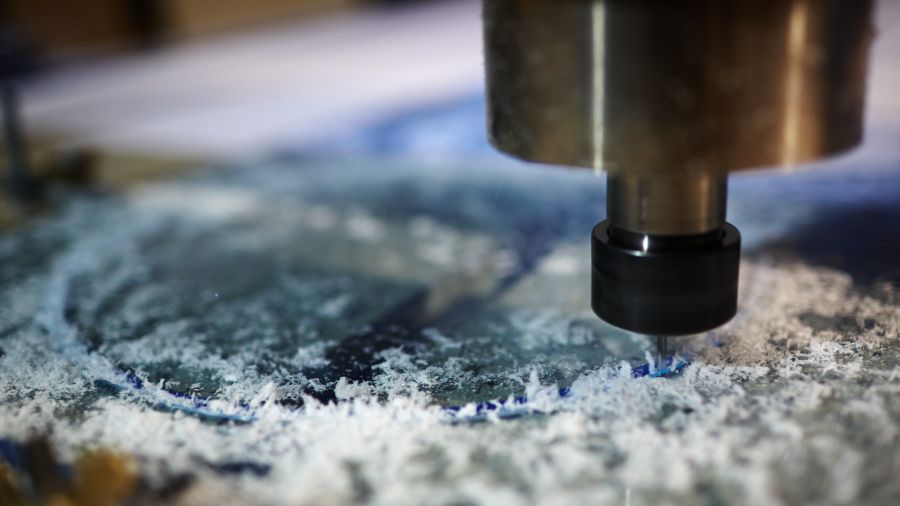
A Focus on High Quality
Quality control is one of the most critical aspects of any manufacturing process. This holds especially true for machining, where even the slightest variations in the dimension of a component can result in costly and time consuming re-work.
Manufacturing processes should focus on maintaining quality from the planning phase through the completion of each component. This should include analyzing the machining equipment, selection of the tools, and a systematic review of the entire process, including inspections of the finished products.
It is important for customers to communicate with manufacturing teams. Providing clear and accurate information with regard to technical drawings, materials, specifications, and requirements with regard to the anticipated operating conditions helps the manufacturing teams provide the customer with components that exceed expectations.
Conclusion
The importance of precision machining is obvious in almost all sectors. With the ability to make extremely precise and highly complex parts in short amounts of time, precision machining has significantly shortened the lead times of manufacturing. While most precision machining is contracted out, many larger businesses are taking advantage of this service and bringing the ability in house. The need to maintain equipment, reduce unnecessary difficulties in manufacturing, and provide services that support the long-term reliability and efficiency of their business are all reasons precision machining is the answer to your needs.