

How to choose a trading broker that fits your needs
Before choosing a trading broker, it is important to understand what you want from a trading platform
ONLINE TRADING HAS become more accessible, allowing individuals to explore financial markets through digital platforms. From stocks and exchange-traded funds (ETFs) to forex and contracts for difference (CFDs), traders can access a wide range of financial instruments.
However, choosing a trading broker is an important decision that can influence trading costs, platform usability, investment options, and overall experience.
With so many brokers advertising competitive spreads, advanced tools, and attractive features, understanding what to look for can help individuals make more informed decisions.
This guide explores the key factors to consider when evaluating a trading broker and explains why the right choice depends on individual needs rather than popularity alone.
1. Understand Your Trading Goals
Before comparing brokers, it is important to understand what you want from a trading platform.
Some individuals are interested in long-term investing, while others want to learn about shorter-term market movements. Different financial instruments also carry different levels of complexity and risk.
For example, investors interested in buying and holding shares may prioritize access to stock exchanges, investment research, and straightforward account management.
Meanwhile, individuals researching forex or CFDs may want to understand leverage, margin requirements, spreads, and the risks associated with these products.
CFDs are particularly complex because they allow exposure to price movements without ownership of the underlying asset. Leverage can magnify both gains and losses.
Understanding these differences is essential before deciding which type of brokerage account is appropriate.
2. Check Regulation and Broker Credibility
Regulation is one of the most important considerations when evaluating a broker.
Financial regulators establish rules intended to protect market integrity and oversee firms operating within their jurisdictions.
Depending on the country, brokers may be supervised by authorities such as the UK’s Financial Conduct Authority (FCA), the Australian Securities and Investments Commission (ASIC), or other national regulators.
However, regulatory protection varies between jurisdictions, products, and account types.
A broker operating internationally may have several regulated entities, each offering different protections and services.
Before opening an account, individuals should verify the legal entity providing the service and check its authorization directly through the relevant regulator’s official register.
It is also worth reviewing the broker’s history, publicly available disclosures, customer support arrangements, and policies concerning client funds.
A recognizable brand name alone does not guarantee that every account receives the same regulatory protections.
3. Compare Trading Fees and Overall Costs
Trading costs can significantly affect the experience of using a brokerage platform.
While some brokers advertise commission-free trading, this does not necessarily mean that using their services is free.
Common costs may include:
- Spreads: The difference between the buying and selling prices of an instrument.
- Commissions: Charges applied to certain transactions or account types.
- Overnight financing: Fees that may apply when leveraged positions remain open.
- Currency conversion: Costs associated with exchanging one currency for another.
- Withdrawal and inactivity fees: Additional charges that may apply under specific conditions.
The total cost depends on the financial instrument, trading frequency, account type, and broker’s pricing structure.
For individuals researching leveraged products, it can be useful to Compare Brokers to understand how different providers structure their fees, platforms, and available instruments.
Rather than focusing on a single advertised spread or commission, compare the full pricing schedule and consider how costs might apply under different circumstances.
4. Evaluate the Trading Platform
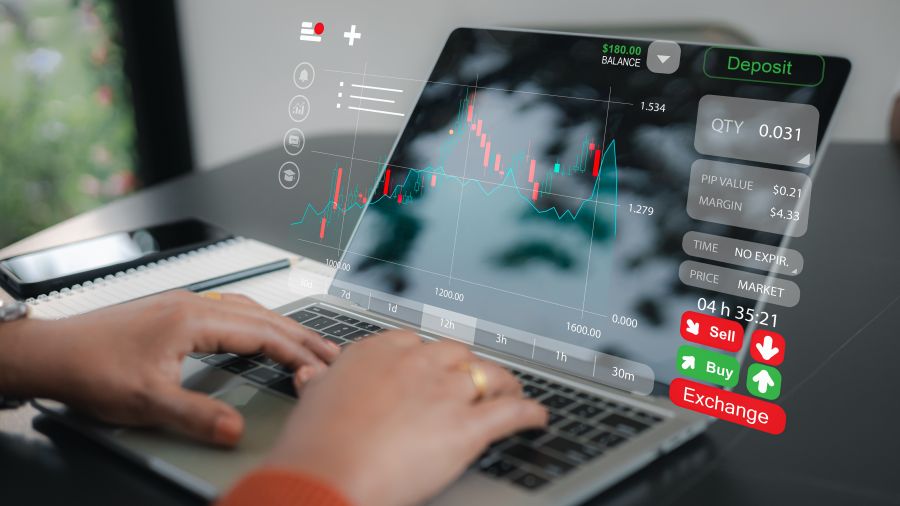
A broker’s trading platform is the main interface through which users access market information and manage their accounts.
A suitable platform should be reliable, understandable, and appropriate for the user’s level of experience.
Important features to evaluate include charting tools, market information, order types, account reporting, and mobile accessibility.
Some brokers offer proprietary platforms, while others support established third-party trading software.
Beginners may prefer a simpler interface with clear navigation and educational explanations. More experienced users may value additional analytical tools and customization.
However, an extensive feature list does not automatically make a platform better.
A platform that is difficult to understand can increase the likelihood of mistakes, particularly when dealing with complex products.
Where available, a demonstration environment can help users explore the interface without committing real funds.

5. Review Available Markets and Instruments
Not every broker provides access to the same markets.
Some specialize in shares and ETFs, while others focus on forex, derivatives, or multi-asset services.
Before selecting a provider, review its available instruments and confirm whether they match your interests.
It is also important to distinguish between purchasing an underlying asset and trading a derivative linked to its price.
For example, buying a share generally involves acquiring an ownership interest in a company. Trading a share CFD, by contrast, involves a contract based on price movements rather than direct share ownership.
These products have different legal characteristics, costs, and risk profiles.
A broker’s product offering should therefore be evaluated for suitability, not simply for the number of markets advertised.
6. Consider Your Country of Residence
Broker availability and investor protections can vary significantly depending on where a customer lives.
A provider that offers certain products in one country may not offer those products in another.
Local regulations can also affect leverage limits, account protections, marketing restrictions, and the types of financial instruments available to retail clients.
For example, individuals researching brokerage services in the United Kingdom may find it helpful to review Best Brokers in the UK as a starting point for understanding different providers and their features.
However, any comparison should be followed by verification of the broker’s current regulatory status, applicable legal entity, and product availability.
A platform’s international reputation does not replace the need to check the rules and protections relevant to your own jurisdiction.
7. Examine Customer Support and Account Services
Customer support is often overlooked when comparing trading platforms.
Nevertheless, reliable assistance can be important when dealing with account access, technical issues, transaction records, or administrative questions.
Consider whether a broker provides support through live chat, email, or telephone, and whether assistance is available in your preferred language.
Other practical considerations include account documentation, deposit and withdrawal policies, processing times, and the clarity of customer communications.
It is worth reviewing the broker’s published terms rather than relying entirely on promotional descriptions.
Transparent information about account conditions can make it easier to understand what to expect before registering.

8. Look Beyond Ratings and Promotional Claims
Online broker reviews and comparison websites can be useful research resources, but they should not be treated as the only source of information.
Ratings may use different methodologies, and some comparison services receive compensation from the providers they feature.
This does not automatically invalidate a comparison, but readers should understand how rankings are produced and whether commercial relationships are disclosed.
A balanced evaluation considers multiple factors, including regulation, fees, available products, platform features, and customer service.
It is also sensible to consult official broker documentation and independent regulatory information.
Claims about guaranteed profits, risk-free trading, or unusually consistent returns should be treated with particular caution.
Final Thoughts
Choosing a trading broker is not about finding the platform with the most advertisements, the highest rating, or the largest selection of instruments.
The right choice depends on individual financial goals, experience, location, and understanding of risk.
By examining regulation, trading costs, platform functionality, available markets, and customer support, individuals can develop a clearer picture of how different brokers operate.
Most importantly, comparing brokers should be part of a broader process of financial education and risk assessment.
Trading and investing involve uncertainty, and no platform can eliminate market risk. Taking time to understand both the broker and the products offered is an important step toward making informed financial decisions.
Disclaimer: This article is provided for general educational purposes only and does not constitute financial or investment advice. CFDs and other leveraged products carry a high risk of financial loss and may not be suitable for all individuals.